Old Egypt Map - Discover Ancient Cities and Landmarks
_1776513595.webp)
At first light, Egypt does something unforgettable. The desert glows in soft gold, the Nile turns silver-blue, and the ancient landscape begins to reveal itself like a story written in stone. Looking at an Old Egypt Map is not simply studying geography—it is stepping into one of the world’s greatest civilizations.
An Old Egypt Map helps travelers understand how ancient cities, temples, pyramids, and sacred landscapes were all connected by the Nile. From the Delta in the north to the temples of the south, every point on the map tells a story of kings, gods, trade, and timeless beauty.
For travelers planning a cultural journey, this guide will help you read the Old Egypt Map like an expert, discover its most significant landmarks, and transform historical curiosity into an unforgettable luxury travel experience. For curated experiences, explore Egypt Tour Packages and tailor your journey around the ancient geography.
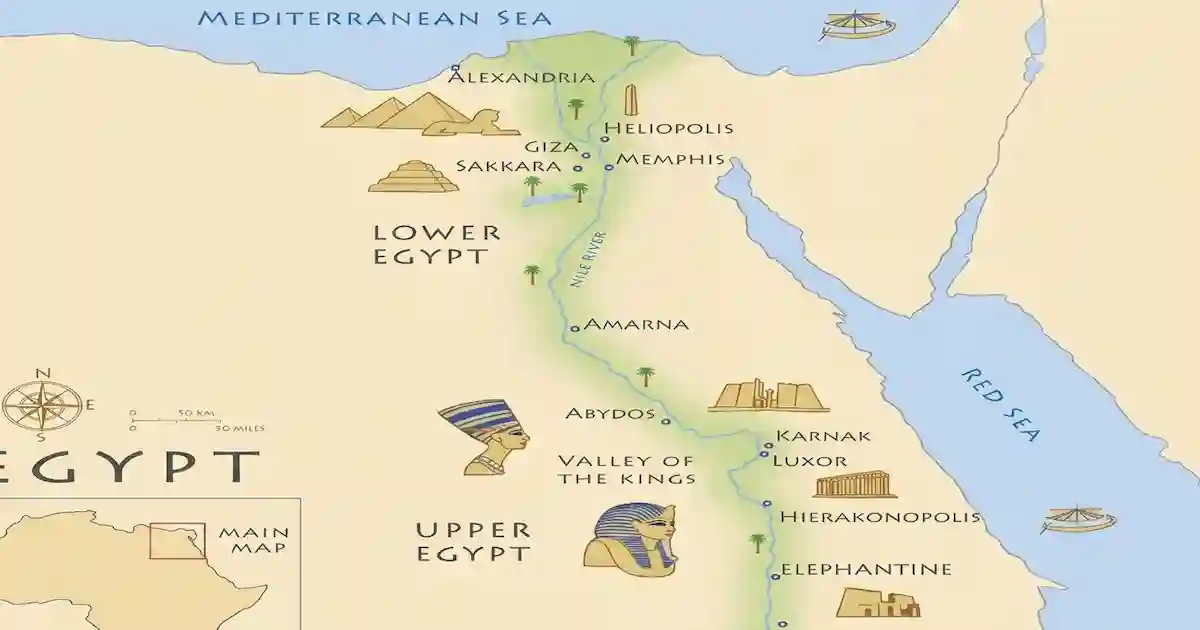
Table of Contents
What an Old Egypt Map Reveals About Ancient Civilization
Understanding Upper and Lower Egypt
Why the Nile shaped every city
The Most Important Ancient Cities on an Old Egypt Map
Memphis and the birth of royal power
Thebes and the golden age of pharaohs
Abydos, Amarna, and forgotten capitals
Iconic Landmarks You Can Trace on an Old Egypt Map
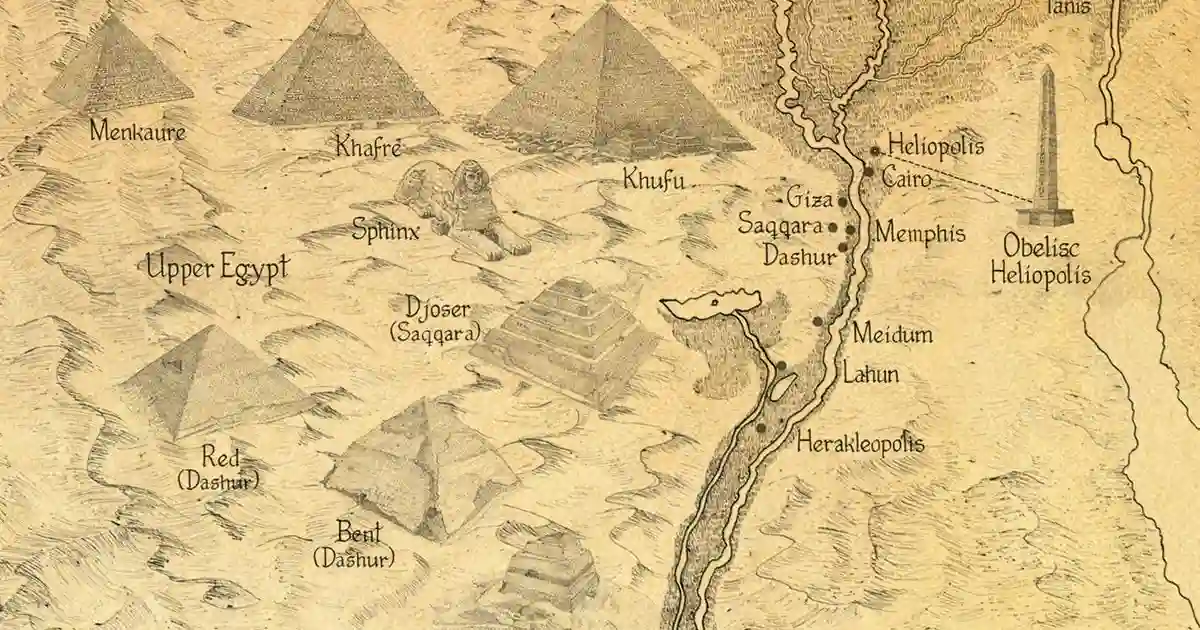
Giza and Saqqara
Luxor, Karnak, and the Valley of the Kings
Abu Simbel and the southern frontier
How to Use an Old Egypt Map for Modern Luxury Travel
Suggested route from Cairo to Aswan
Best ways to experience the sites in comfort
Hidden Historical Layers Beyond the Famous Sites
Sacred trade routes and desert roads
Ancient ports and Nile crossings
Culture, Fragrance, and Memory: Experiencing Egypt Beyond the Map
Egyptian perfume traditions
Luxury sensory souvenirs and local markets
Planning the Perfect Egypt Itinerary Inspired by Ancient Geography
Day tours
Multi-day luxury packages
FAQ
Conclusion
What an Old Egypt Map Reveals About Ancient Civilization
The first thing an Old Egypt Map teaches you is that Egypt was built around one lifeline: the Nile.
Ancient Egypt stretched along the river in a long ribbon of fertile land bordered by vast desert. Civilization was concentrated along the lower reaches of the Nile, where agriculture, trade, and urban life flourished.Wikipedia
Understanding Upper and Lower Egypt
One of the most fascinating details for travelers is that Upper Egypt is in the south, while Lower Egypt lies in the north. This confuses many first-time visitors.
The naming follows the river’s flow, not the compass. The Nile runs from south to north, so the “upper” region is upstream. Wikipedia
Lower Egypt includes the fertile Delta and historic centers near modern Cairo. Upper Egypt stretches south toward Luxor, Edfu, Kom Ombo, and Aswan.
Why the Nile Shaped Every City
Cities did not appear randomly. On an old map, almost every important site hugs the Nile.
The river was transport, irrigation, trade route, and spiritual symbol all at once. Boats moved stone blocks, grain, perfumes, papyrus, and luxury goods between cities. This is why ancient settlements form an elegant linear route—perfect for modern luxury cruise itineraries.
The Most Important Ancient Cities on an Old Egypt Map
Reading the cities on an Old Egypt Map feels like tracing the rise of empire.
Memphis and the Birth of Royal Power
Near modern Cairo, Memphis was once the political heart of Egypt and one of the earliest capitals. ancient egypt online
For luxury travelers today, this area connects naturally with Saqqara and Giza, making it ideal for a private historical day trip.
Thebes and the Golden Age of Pharaohs
Further south, ancient Thebes—modern Luxor—was the dazzling ceremonial capital of the New Kingdom.
This is where royal ambition reached its peak.
Temples like Karnak and Luxor still dominate the landscape, while the Valley of the Kings hides the tombs of Egypt’s most legendary rulers.
Few places in the world deliver history with such emotional weight.
Abydos, Amarna, and Forgotten Capitals
Abydos was one of Egypt’s holiest cities, deeply associated with Osiris and royal burials.
Amarna, meanwhile, tells the extraordinary story of Akhenaten and the brief religious revolution centered around Aten worship.
These cities may be less visited, but for serious cultural travelers, they are among the most rewarding points on an Old Egypt Map.
Iconic Landmarks You Can Trace on an Old Egypt Map
This is where the map becomes deeply visual.
Giza and Saqqara
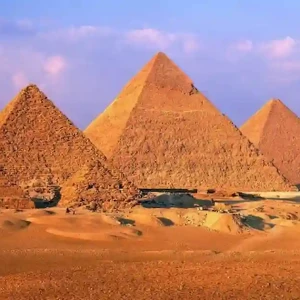
No Old Egypt Map feels complete without Giza.
The pyramids rise exactly where ancient power and geography met. Nearby Saqqara reveals the evolution of pyramid architecture through the Step Pyramid of Djoser.
Together, they represent the architectural beginnings of monumental Egypt.
Luxor, Karnak, and the Valley of the Kings
In Upper Egypt, the map becomes denser with sacred landmarks.
Karnak is not a single temple but an enormous religious complex built over centuries.
The Valley of the Kings sits across the river—a symbolic crossing from life into eternity.
This east-west alignment mirrors ancient beliefs about sunrise, sunset, death, and rebirth.
Abu Simbel and the Southern Frontier
Far to the south, Abu Simbel marks Egypt’s ancient frontier and royal ambition.
Few experiences rival arriving here at sunrise and seeing Ramesses II emerge from the sandstone cliffs.
How to Use an Old Egypt Map for Modern Luxury Travel
The beauty of an Old Egypt Map is that it doubles as a perfect modern itinerary.
Suggested Route from Cairo to Aswan
A classic luxury route follows the ancient logic of the Nile:
This route mirrors how ancient Egyptians themselves moved between centers of power.
Best Ways to Experience the Sites in Comfort
The finest way to follow the map is by river.
A luxury Nile cruise transforms the historical route into a deeply immersive experience, allowing travelers to wake up each morning in a different chapter of history.
For shorter experiences, explore Egypt Day Tours with private guides and chauffeur-driven transport.
Hidden Historical Layers Beyond the Famous Sites
The true magic lies beyond the obvious landmarks.
Ancient maps also reveal desert caravan roads, quarry routes, and trade corridors leading toward Nubia, Sinai, and the Red Sea.
These routes carried gold, incense, exotic woods, and perfumes.
Ancient Egypt was famous for fragrance culture.
Temples burned aromatic oils in rituals, and elite households prized luxury scent blends.
This heritage still echoes in today’s egyptian perfume, egyptian musk perfume, and egyptian oil perfume traditions.
For many luxury travelers, visiting traditional perfumeries in Cairo or Luxor becomes a memorable cultural extension of the historical journey.
Culture, Fragrance, and Memory: Experiencing Egypt Beyond the Map
Travel is memory, and scent often becomes its most powerful trigger.
In Egypt, perfume culture runs surprisingly deep.
The country remains known for rich oils such as egyptian musk perfume oil, lotus blends, amber-based scents, and floral essences inspired by ancient temple rituals.
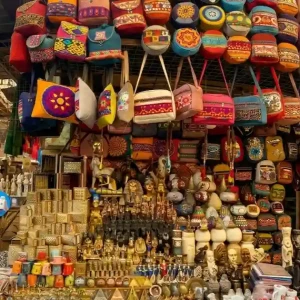
Many travelers ask about egyptian perfume oil price and best egyptian perfume oil price during shopping experiences in Khan El Khalili or luxury boutiques.
The experience is not merely shopping—it is storytelling through scent.
A small bottle of Egyptian musk often becomes the fragrance memory of the trip itself.
One breath later, you are back on the Nile at sunset.
Planning the Perfect Egypt Itinerary Inspired by Ancient Geography
The smartest itinerary follows the old map.
Start in Cairo for pyramids and museum collections.
Continue south to Luxor for temples and tombs.
Finish in Aswan for a softer, slower rhythm of Nubian landscapes and river elegance.
This ancient flow remains the most intuitive modern route.
For seamless planning, premium travelers often combine curated day experiences with full-service packages through Egypt Tour Packages and private luxury cruises.
Conclusion
An Old Egypt Map is far more than a historical illustration. It is a beautifully preserved blueprint of one of humanity’s greatest civilizations.
Every city, temple, and river bend reveals how geography shaped power, faith, and culture across thousands of years. For modern travelers, following this map means stepping directly into living history.
If you are ready to experience Egypt beyond the guidebook, now is the perfect moment to explore expertly designed tours and private Nile journeys inspired by the timeless routes of the Old Egypt Map.
Old Egypt Map - FAQ
What is the most important city on an Old Egypt Map?
Memphis, Thebes, and Giza are among the most important. Each represents a different era of political and cultural power.
Why is Upper Egypt in the south?
Because the Nile flows from south to north, Upper Egypt refers to the upstream southern region. Wikipedia
Can I follow an ancient Egypt route today?
Absolutely. Most luxury Nile cruise itineraries follow the same geographic logic as ancient trade and ceremonial routes.
Where should first-time travelers start?
Cairo and Giza first, followed by Luxor and Aswan for a complete historical experience.
Are perfume oils part of Egyptian culture?
Yes, deeply so. Traditional egyptian perfume oil and musk blends remain popular souvenirs tied to Egypt’s long fragrance heritage.