Abu Simbel Temples
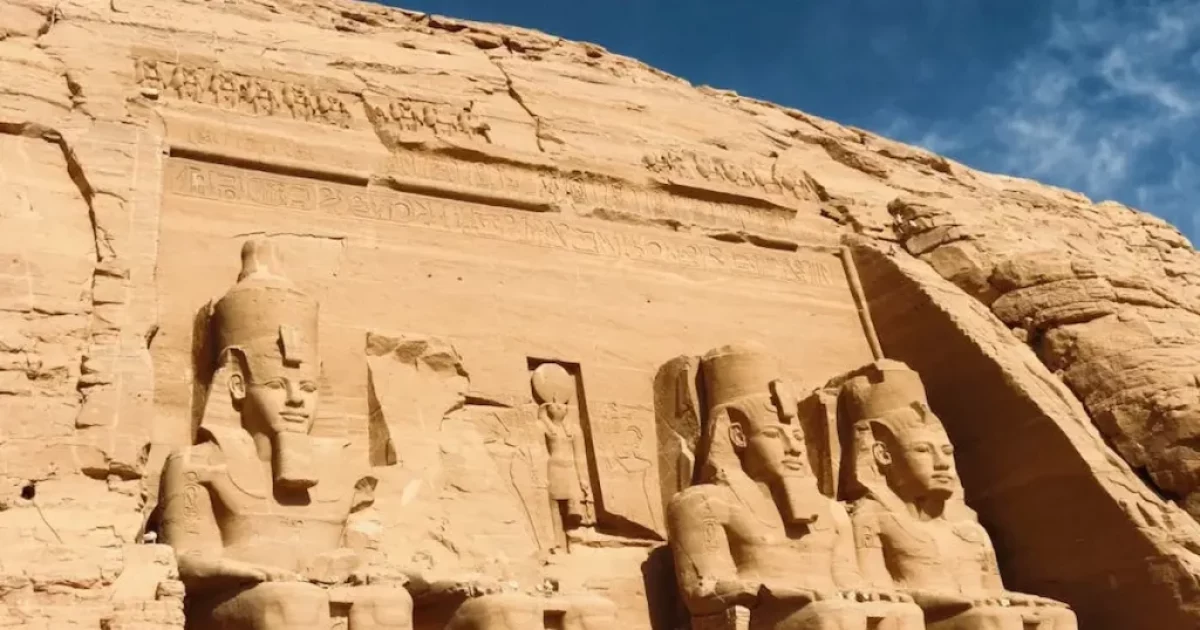
Table of Contents
Standing majestically on the west bank of Lake Nasser, Abu Simbel Temples represent one of the most extraordinary monuments of ancient Egypt. Built during the reign of Pharaoh Ramses II in the 13th century BC, the temples were carved directly into the mountainside to commemorate Ramses’ victory at Kadesh and honor the gods.
Today, Abu Simbel is a UNESCO World Heritage Site and a must-visit destination for travelers exploring Things to Do in Aswan and Things to Do in Egypt.
History and Purpose of Abu Simbel Temples
Constructed between 1264 and 1244 BC, Abu Simbel was part of a grand vision by Ramses II to immortalize his reign and assert Egyptian power over Nubia.
There are two temples at the site:
The Great Temple of Ramses II – dedicated to the gods Amun, Ra-Horakhty, and Ptah, and to Ramses himself.
The Small Temple of Hathor and Nefertari – dedicated to the goddess Hathor and Ramses’ beloved wife, Queen Nefertari.
The Remarkable Relocation of Abu Simbel
When the Aswan High Dam was built in the 1960s, rising waters from Lake Nasser threatened to submerge Abu Simbel. In a historic international effort led by UNESCO, the temples were cut into massive blocks and relocated 65 meters higher on an artificial hill to preserve them.
This engineering miracle, completed between 1964–1968, saved Abu Simbel from destruction and became one of the most famous archaeological rescue projects in history.
The Sun Festival Phenomenon
Twice each year — on February 22 and October 22 — sunlight perfectly aligns to illuminate the statues inside the Great Temple.
During these mornings, rays of light travel 60 meters into the sanctuary to light up the statues of Ra-Horakhty, Amun-Ra, and Ramses II — but leave Ptah, the god of darkness, in shadow.
This celestial alignment marks the birthday and coronation day of Ramses II, making it one of Egypt’s most fascinating ancient solar events.
Visitor Information – Abu Simbel Temples
DetailsInformationLocation280 km southwest of Aswan, on Lake Nasser’s west bankOpening HoursDaily: 5:00 AM – 6:00 PMEntrance FeeAdults: 260 EGP, Students: 130 EGP (subject to change)Best Time to VisitOctober to April (cooler temperatures & Sun Festival events)AccessibilityReached by air, road, or Lake Nasser cruises
How to Get to Abu Simbel
By Air:
Flights from Aswan to Abu Simbel take around 45 minutes, operated by EgyptAir.By Road:
A scenic 3-hour drive (about 280 km) from Aswan — many Aswan Day Tours include Abu Simbel as a highlight.By Lake Nasser Cruise:
Travelers can also reach the temples via Lake Nasser cruises, enjoying views of Nubian landscapes along the way.
Architectural Highlights of the Great Temple
The Great Temple façade is dominated by four colossal statues of Ramses II, each standing 20 meters high. The temple’s axis was precisely oriented for the Sun Festival, demonstrating the ancient Egyptians’ mastery of astronomy and engineering.
Inside, visitors can admire:
Impressive reliefs depicting Ramses II’s Battle of Kadesh victories.
A hypostyle hall supported by massive Osirid statues.
The sanctuary, where the four gods await the sun’s illumination twice a year.
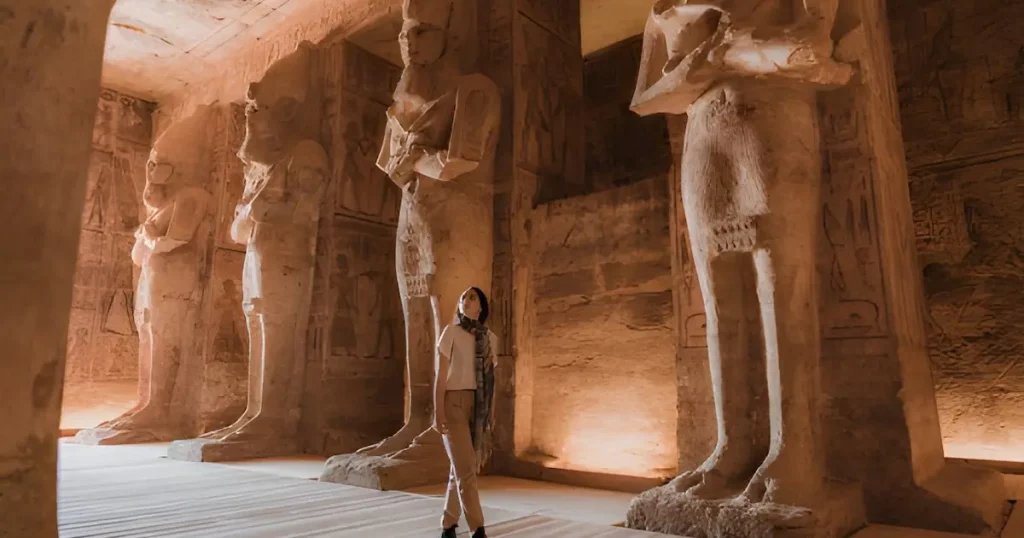
The Great Temple of Abu Simbel – timeless wonder of Ramses II in southern Egypt
The Small Temple of Nefertari and Hathor
Dedicated to Queen Nefertari, Ramses II’s beloved wife, this smaller temple honors her divine status alongside the goddess Hathor.
Remarkably, the statues of Nefertari are the same height as Ramses II, symbolizing her exceptional importance — an extremely rare gesture in ancient Egyptian art.
The interior walls show scenes of music, dancing, and offerings to Hathor, making it one of Egypt’s most elegant and feminine temples.
Nearby Attractions and Experiences
Combine your visit to Abu Simbel with other famous Aswan landmarks and Nile treasures:
Aswan High Dam – a modern marvel controlling the Nile’s flow.
Unfinished Obelisk – insight into ancient stone-carving techniques.
Kom Ombo Temple – the unique twin temple dedicated to Sobek and Horus.
Edfu Temple (Temple of Horus) – one of the best-preserved temples in Egypt.
Travel Tips for Visiting Abu Simbel
Arrive early for sunrise to avoid crowds and heat.
Bring water, sunscreen, and a hat, as shade is limited.
Photography: Tripods are not allowed inside without special permits.
Stay overnight in Abu Simbel village for a peaceful experience and to witness the dawn light.
Book in advance during February or October for the Sun Festival.
Abu Simbel and Cultural Impact
The temples are not only symbols of Ramses II’s greatness but also of international cooperation. The relocation project inspired global efforts to protect other endangered heritage sites.
Today, Abu Simbel stands as a reminder that human determination and respect for history can overcome any challenge — making it a universal symbol of preservation and pride for Egypt.
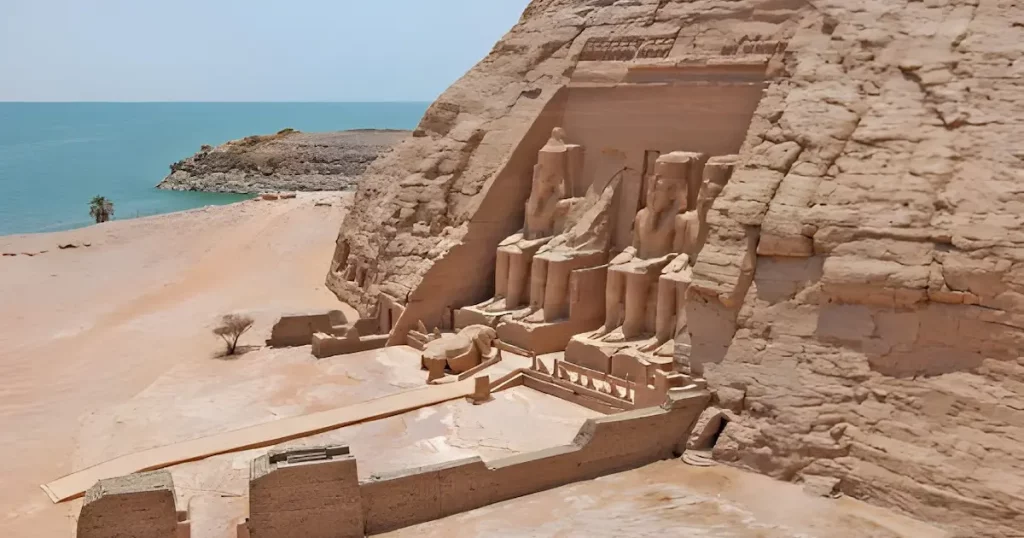
The Great Temple of Abu Simbel – timeless wonder of Ramses II in southern Egypt
FAQ – Abu Simbel Temples
When were the Abu Simbel Temples built?
They were constructed around 1264–1244 BC under the reign of Ramses II.
How far is Abu Simbel from Aswan?
Approximately 280 km, a 3-hour drive by road.
What is the Sun Festival at Abu Simbel?
A biannual event when the sun illuminates the temple’s inner sanctuary — on February 22 and October 22.
Are there tours to Abu Simbel from Aswan?
Yes, daily Aswan Day Tours and flights operate regularly to the site.
Can you visit Abu Simbel on a Nile Cruise?
Yes, some Lake Nasser Cruises include Abu Simbel as their final destination