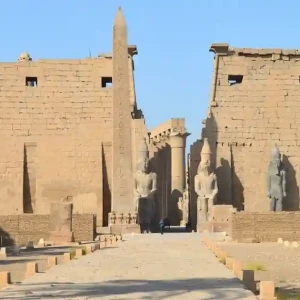
Egyptian Tombs - History, Types & Must-See Sites
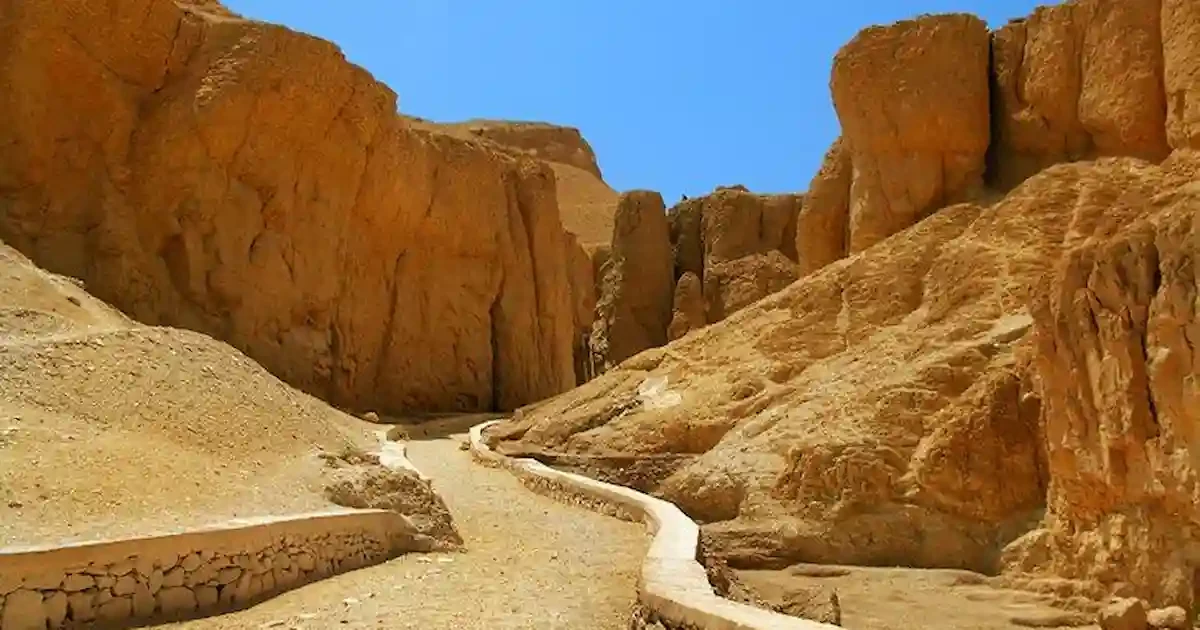
The silence inside an ancient tomb is unlike anything else. Step beneath the surface in Luxor, and the world above disappears. The air cools. The light fades. And suddenly, you’re standing face-to-face with eternity.
Egyptian tombs were never just burial places. They were carefully designed gateways to the afterlife—filled with art, symbolism, and belief. Every wall tells a story. Every chamber has a purpose.
For travelers, exploring egyptian tombs is one of the most powerful experiences Egypt offers. It’s not just about history—it’s about stepping into a worldview where life and death were deeply connected.
In this guide, you’ll uncover how ancient egyptian tombs evolved, the different types of tombs in ancient Egypt, and the most famous sites you can visit today. If you're planning your journey, curated experiences like Egypt Tour Packages help bring these stories vividly to life.
Table of Contents
Egyptian Tombs: Why They Still Fascinate the World
The Evolution of Ancient Egyptian Tombs
Types of Tombs in Ancient Egypt Explained
Inside an Ancient Egyptian Tomb: Architecture and Symbolism
Famous Egyptian Tombs You Must See
Egyptian Tombs Facts: Beliefs About Death and Afterlife
Visiting Egyptian Tombs Today: Travel Tips and Experiences
Conclusion
FAQ
Egyptian Tombs: Why They Still Fascinate the World
There’s something magnetic about egyptian tombs. Perhaps it’s the mystery. Or the scale. Or the idea that these structures were built not for the living—but for eternity.
Ancient Egyptians believed that death was not an end. It was a transition.
Tombs were designed as homes for the afterlife. They contained everything a person might need—food, jewelry, furniture, even servants in symbolic form.
What makes these ancient egyptian tombs remarkable is how personal they are. Each one reflects the identity, status, and beliefs of the individual inside.
Even today, standing in a tomb, you feel it. A connection across thousands of years.
The Evolution of Ancient Egyptian Tombs
Early Mastabas
The earliest egyptian tomb structures were mastabas—rectangular, flat-roofed buildings made of mudbrick.
Simple on the outside, but complex beneath. Underground chambers held the burial, while above-ground spaces allowed for offerings.
Pyramids as Royal Tombs
Then came the pyramids.
In Giza, these monumental structures redefined what a tomb could be. Built for pharaohs, they symbolized power, divinity, and the connection to the sun.
The Great Pyramid of Giza remains one of the most iconic examples.
Hidden Rock-Cut Tombs
Later, tombs moved underground—hidden within cliffs.
This shift, seen in Valley of the Kings, was both practical and symbolic. It protected treasures from looters and aligned with beliefs about the underworld.
Types of Tombs in Ancient Egypt Explained
Mastabas
These were the foundation. Simple yet effective.
Used primarily by nobles, mastabas set the stage for future developments in tomb design.
Pyramids
Reserved for royalty, pyramids were the ultimate statement.
They weren’t just tombs—they were declarations of eternal power.
Rock-Cut Tombs
Carved directly into mountains, these tombs offered protection and privacy.
They also allowed for elaborate interior decoration, turning walls into storytelling canvases.
Understanding these types of tombs in ancient Egypt helps you appreciate the diversity and innovation behind each structure.
Inside an Ancient Egyptian Tomb: Architecture and Symbolism
Chambers, Corridors, and Burial Rooms
Entering an ancient egyptian tomb feels like stepping into a carefully planned journey.
Corridors lead deeper underground. Chambers unfold one after another. At the center lies the burial chamber—sacred and protected.
Every element had a purpose.
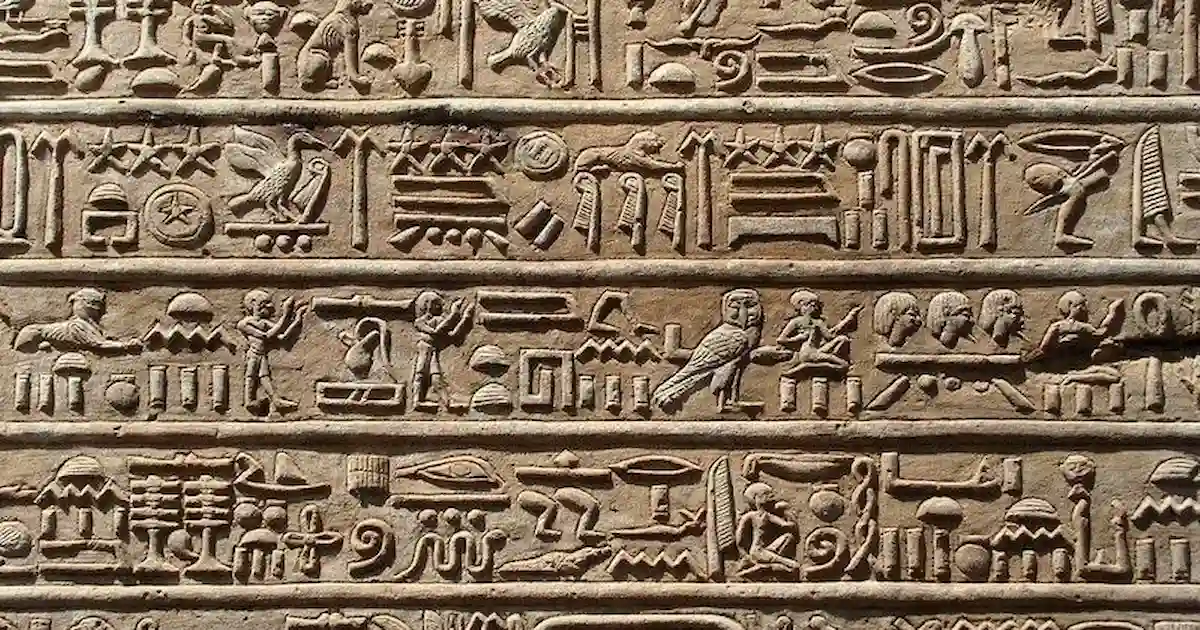
Wall Art and Hieroglyphs
The walls are alive with color.
Scenes of daily life. Rituals. Offerings. Journeys to the afterlife.
These weren’t decorations—they were instructions. Guides for the soul navigating the afterlife.
To fully understand these meanings, exploring Ancient Egyptian Gods reveals how mythology shaped every detail.
According to UNESCO, tomb art provides one of the richest records of ancient Egyptian life and belief.
Famous Egyptian Tombs You Must See
Valley of the Kings
Hidden in the hills near Luxor, this site holds the tombs of pharaohs.
Each tomb is unique. Some simple. Others breathtakingly detailed.
Tutankhamun’s Tomb
Discovered nearly intact, the tomb of Tutankhamun changed everything.
It revealed the richness of royal burials—and captured the world’s imagination.
Saqqara and Giza
In Saqqara, you’ll find early tombs and the Step Pyramid.
In Giza, monumental pyramids dominate the landscape.
Together, they tell the story of how egyptian tomb evolved over time.
Egyptian Tombs Facts: Beliefs About Death and Afterlife
Journey to the Afterlife
Death was only the beginning.
The soul embarked on a journey, facing challenges and judgment.
Tombs were equipped to help navigate this path.
Role of Gods and Rituals
Gods played a central role.
Osiris judged the dead. Anubis guided them. Ra provided light.
These beliefs shaped every aspect of tomb design and decoration.
Understanding these egyptian tombs facts adds depth to every visit—you’re not just seeing structures, but beliefs made visible.
Visiting Egyptian Tombs Today: Travel Tips and Experiences
Best Sites to Visit
Start with the classics: Luxor, the Valley of the Kings, Giza, Saqqara.
Each offers a different perspective on ancient egyptian tombs.
Guided Tours and Luxury Travel
To truly understand what you’re seeing, guided experiences are invaluable.
Egypt Day Tours provide context, storytelling, and access that transforms your visit.
For a seamless experience, Egypt Tour Packages combine history, comfort, and expert guidance.
Walking through a tomb with a knowledgeable guide turns curiosity into understanding.
Conclusion
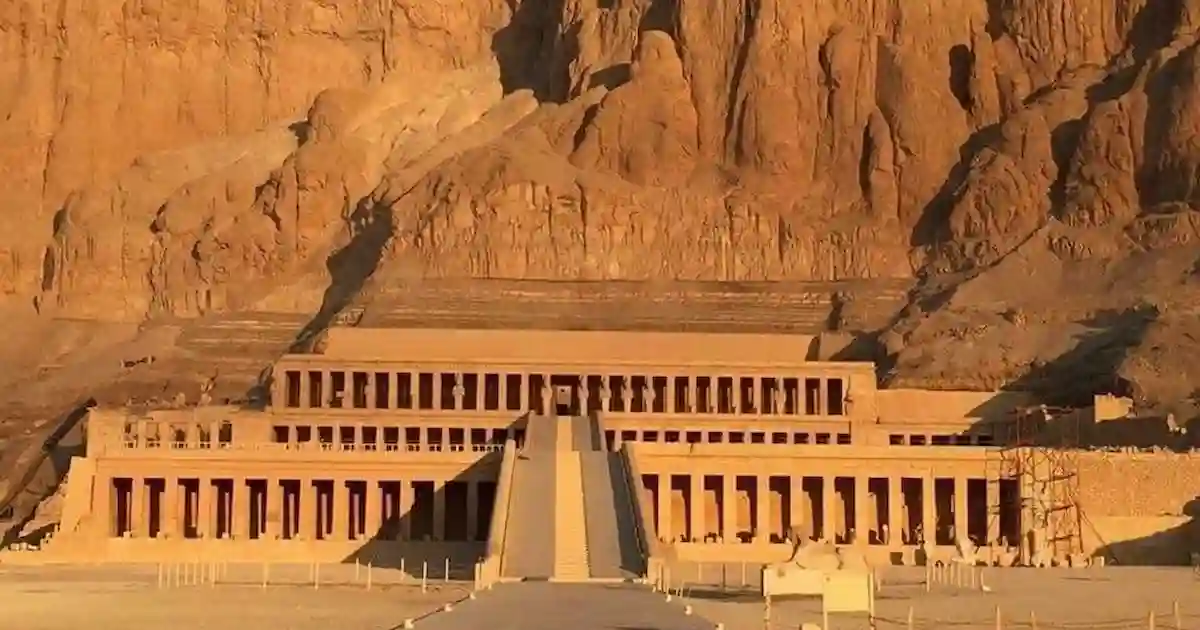
Egyptian tombs are more than ancient structures—they are windows into a civilization that viewed life, death, and eternity as part of a continuous journey. From the simplicity of mastabas to the grandeur of pyramids and the hidden beauty of rock-cut tombs, each tells a story that still resonates today.
For travelers, visiting these sites is not just about seeing history—it’s about feeling it. The silence, the art, the symbolism—it all stays with you long after you leave.
Ready to experience it for yourself? Explore Egypt Day Tours or discover curated Egypt Tour Packages and step into the world of egyptian tombs in the most unforgettable way.
FAQ
1. What are Egyptian tombs?
Egyptian tombs are burial structures designed to house the dead and prepare them for the afterlife. They range from mastabas to pyramids and rock-cut tombs.
2. What are the most famous Egyptian tombs?
The Valley of the Kings, Tutankhamun’s tomb, and the pyramids of Giza are among the most famous.
3. Why were Egyptian tombs decorated?
Decorations served as guides for the afterlife, depicting rituals, offerings, and protective symbols.
4. Can tourists visit Egyptian tombs?
Yes. Many sites are open to visitors, especially in Luxor and Giza. Egypt Day Tours offer guided experiences.
5. What is inside an ancient Egyptian tomb?
Typically, burial chambers, artifacts, wall paintings, and items meant to support the deceased in the afterlife.