Egyptian Perfume - History, Scents and Buying Guide
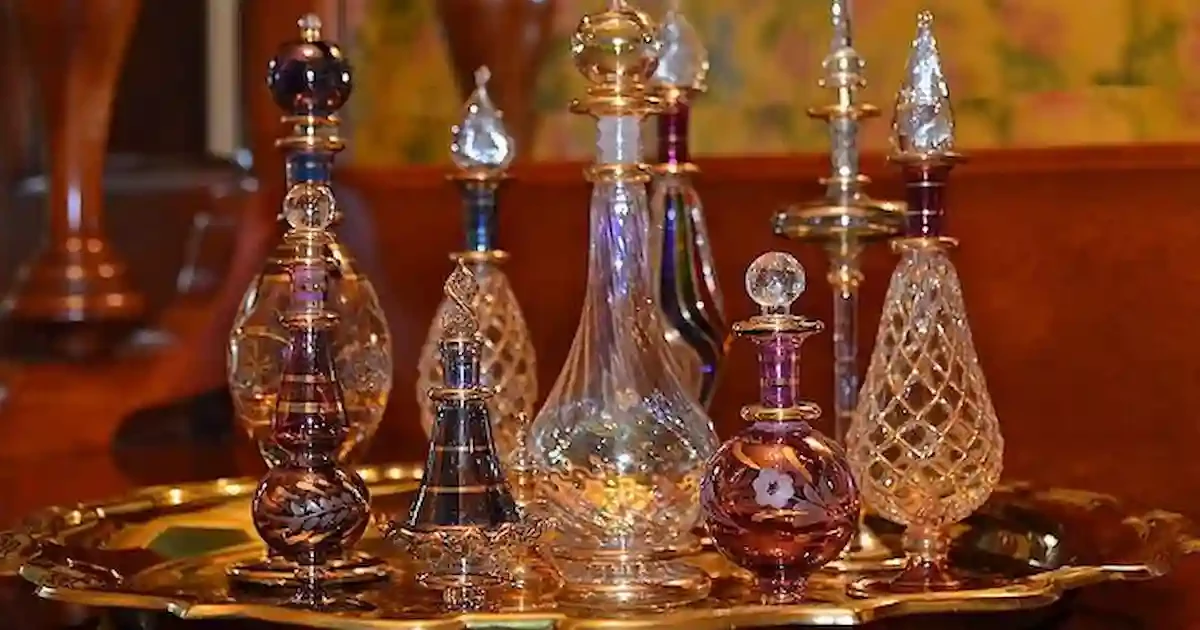
The first thing you notice isn’t the bottle—it’s the scent. Deep, warm, almost hypnotic. Egyptian Perfume doesn’t just sit on your skin; it unfolds slowly, like a story whispered across centuries. From temple rituals to modern luxury boutiques, Egyptian Perfume has remained one of the most enduring expressions of beauty and identity in Egypt.
In this guide, you’ll discover everything about Egyptian Perfume—its origins, iconic scents, how it’s made, and how to choose the perfect fragrance. Whether you're a curious traveler or a collector of rare oils, this journey will help you experience perfume the way ancient Egyptians once did.
If you’re planning to explore Egypt in person, many travelers combine scent discovery with cultural experiences through curated Egypt Day Tours, where local markets and perfume houses become part of the journey.
TABLE OF CONTENTS
The Timeless Story of Egyptian Perfume
Perfume in Ancient Egyptian Civilization
Religious and Cultural Significance
What Makes Egyptian Perfume Unique?
Natural Ingredients and Oil-Based Formulas
Long-Lasting Scents vs Alcohol Perfumes
Signature Scents: Exploring Egyptian Fragrance Profiles
Egyptian Musk Perfume & Egyptian Musk Perfume Oil
Egyptian Goddess Perfume and Floral Blends
Woody, Spicy, and Resin-Based Notes
How Egyptian Perfume Is Made
Traditional Extraction Methods
Modern Production Techniques
How to Choose Authentic Egyptian Perfume
How to Identify Real Egyptian Oil Perfume
Understanding Egyptian Perfume Oil Price
Best Egyptian Perfume Oil Price vs Quality
Where to Buy Egyptian Perfume in Egypt
Local Markets and Perfume Shops
Luxury Perfume Houses and Boutiques
Buying Tips for Tourists
How to Use and Store Egyptian Perfume Oils
Application Techniques for Maximum Longevity
Storage Tips and Shelf Life
FAQ
Conclusion
The Timeless Story of Egyptian Perfume
Perfume in Ancient Egyptian Civilization
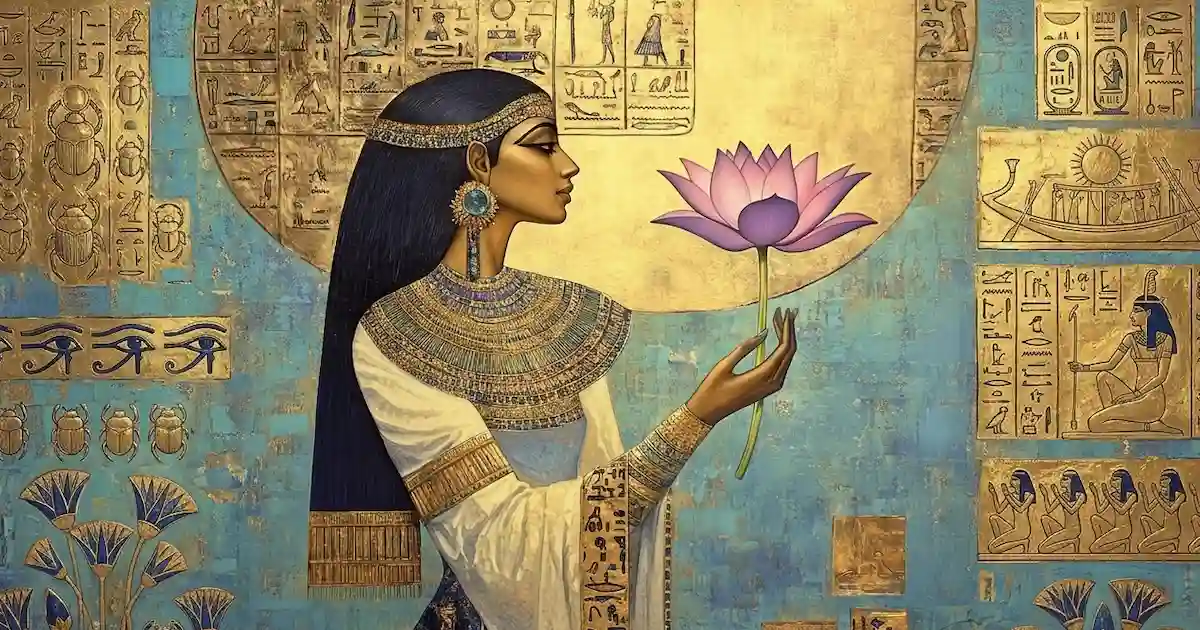
Perfume in ancient Egypt wasn’t a luxury—it was essential. Both men and women wore fragrance daily, and oils were used in everything from skincare to religious rituals. The ancient Egyptians believed scent was a divine language, a way to communicate with the gods.
Historical records, including those documented on Wikipedia, reveal that perfumes were made from natural ingredients like myrrh, frankincense, lotus flowers, and cinnamon. These were carefully blended into oils that could last for hours, even in the desert heat.
Religious and Cultural Significance
Perfume held spiritual meaning. Temples burned incense as offerings, and priests used oils during ceremonies. Fragrance was closely tied to the afterlife, often included in burial rituals to prepare the soul for eternity.
Many scents were associated with deities, connecting perfume directly to the world of Ancient Egyptian Gods. Even today, certain blends carry symbolic meanings rooted in this ancient belief system.
What Makes Egyptian Perfume Unique?
Natural Ingredients and Oil-Based Formulas
Unlike modern alcohol-based perfumes, Egyptian Perfume is typically oil-based. This gives it a richer, more concentrated scent that evolves gradually on the skin. Ingredients are often sourced from nature—flowers, spices, woods, and resins—creating complex, layered fragrances.
Long-Lasting Scents vs Alcohol Perfumes
One drop can last all day. That’s the beauty of egyptian oil perfume. Without alcohol evaporation, the scent remains close to the skin, becoming more personal and intimate.
This is why travelers often fall in love with Egyptian Perfume—it feels less like a product and more like a signature.
Signature Scents: Exploring Egyptian Fragrance Profiles
Egyptian Musk Perfume & Egyptian Musk Perfume Oil
Soft, clean, and slightly sweet—egyptian musk perfume is one of the most popular choices. The oil version, egyptian musk perfume oil, is even more concentrated, offering a velvety finish that blends beautifully with your natural scent.
Egyptian Goddess Perfume and Floral Blends
Floral perfumes inspired by lotus and jasmine are often marketed as egyptian goddess perfume. They feel elegant, feminine, and timeless—perfect for evening wear or special occasions.
Woody, Spicy, and Resin-Based Notes
For something deeper, look for blends featuring sandalwood, amber, or oud. These scents are bold, warm, and unmistakably luxurious.
How Egyptian Perfume Is Made
Traditional Extraction Methods
Historically, oils were extracted through methods like enfleurage—where petals were pressed into fats to capture their essence. It was a slow, meticulous process that required patience and skill.
Modern Production Techniques
Today, many producers combine traditional knowledge with modern technology. Steam distillation and cold pressing allow for greater consistency while preserving the integrity of natural ingredients.
The result? Perfumes that honor ancient traditions while meeting contemporary expectations.
How to Choose Authentic Egyptian Perfume
How to Identify Real Egyptian Oil Perfume
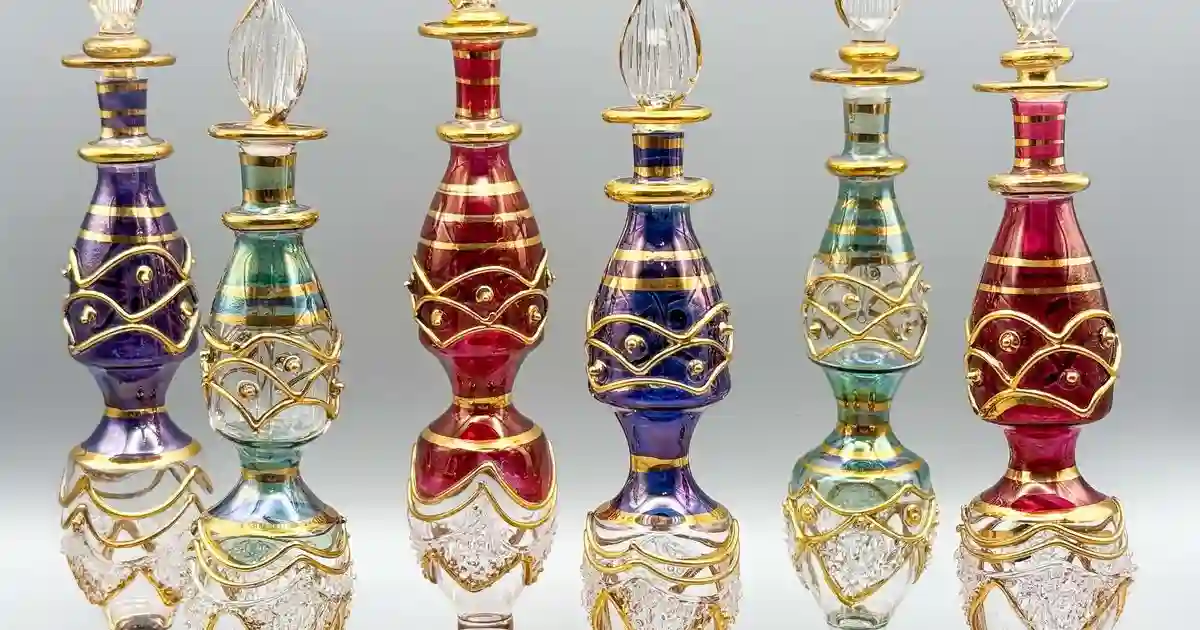
Authentic oils are concentrated and free from alcohol. They should feel smooth, not sticky, and the scent should evolve over time rather than fade quickly.
Understanding Egyptian Perfume Oil Price
Prices vary widely depending on quality. A small bottle of pure oil may cost more than a large diluted one. When evaluating egyptian perfume oil price, consider concentration, ingredients, and origin.
Best Egyptian Perfume Oil Price vs Quality
The best egyptian perfume oil price isn’t the cheapest—it’s the one that reflects true craftsmanship. Trust your senses. If the scent feels complex and long-lasting, it’s likely worth the investment.
Where to Buy Egyptian Perfume in Egypt
Local Markets and Perfume Shops
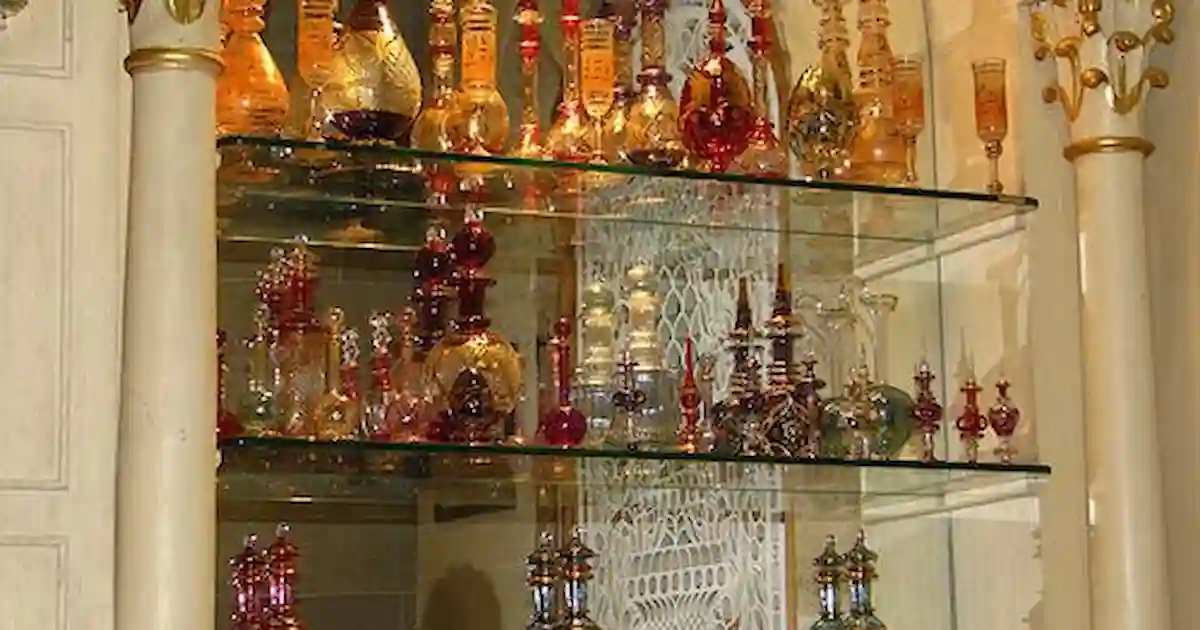
Places like Khan El Khalili are famous for their perfume shops. Here, you can sample dozens of scents and even request custom blends.
Luxury Perfume Houses and Boutiques
High-end boutiques in Cairo and Alexandria offer curated collections with refined packaging and consistent quality.
Buying Tips for Tourists
Always test before buying. Ask about ingredients. Don’t rush the decision—let the scent settle on your skin before committing.
How to Use and Store Egyptian Perfume Oils
Application Techniques for Maximum Longevity
Apply to pulse points—wrists, neck, behind the ears. A small amount goes a long way. Layering scents can also create a personalized fragrance.
Storage Tips and Shelf Life
Keep oils in a cool, dark place. Properly stored, they can last for years without losing their richness.
Conclusion
Egyptian Perfume is more than a fragrance—it’s a sensory journey through history, culture, and craftsmanship. Each scent tells a story, connecting you to traditions that have lasted for thousands of years.
Whether you’re exploring local markets or selecting a signature scent, take your time. Let the fragrance choose you. And when you’re ready to experience Egypt beyond scent, curated journeys and immersive experiences await—bringing the world of Egyptian Perfume to life in unforgettable ways.
Egyptian Perfume - FAQ
What makes Egyptian Perfume different from regular perfume?
Egyptian Perfume is typically oil-based, making it more concentrated and longer-lasting. It also uses natural ingredients, creating richer and more complex scents.
Is Egyptian musk perfume suitable for daily use?
Yes, egyptian musk perfume is light and versatile, making it perfect for everyday wear.
How much does Egyptian perfume oil cost?
The egyptian perfume oil price depends on quality and ingredients. Authentic oils may cost more but offer better longevity and scent complexity.
Where can I buy authentic Egyptian perfume?
You can find it in markets like Khan El Khalili or through trusted tour experiences like Egypt Day Tours that include local shopping stops.
How do I store Egyptian perfume oils?
Store them in a cool, dark place away from sunlight to maintain their quality over time.