Queen Nefertari Temple - Guide History and Secrets
The desert is silent at sunrise. Then, slowly, golden light spills across the sandstone cliffs of Abu Simbel, illuminating one of Egypt’s most graceful monuments—the Queen Nefertari Temple. Unlike the imposing grandeur of Ramses II’s nearby sanctuary, the Queen Nefertari Temple feels intimate, almost poetic. It tells a quieter story. A story of love, power, and divine reverence.
Standing before the Queen Nefertari Temple, you don’t just see history—you feel it. The symmetry, the delicate carvings, the unmistakable presence of Queen Nefertari herself carved at equal scale to the king. It’s rare. It’s intentional. And it’s powerful.
This guide will walk you through everything you need to know about the Queen Nefertari Temple—its history, hidden meanings, architectural brilliance, and how to experience it in a way that feels personal and unforgettable. If you’re planning your journey through Egypt, you’ll also find inspiration for curated itineraries like Egypt Day Tours, designed to elevate your experience beyond the ordinary.
TABLE OF CONTENTS
The Story Behind Queen Nefertari Temple
Who Was Queen Nefertari?
Why Ramses II Built This Temple
Where Is the Queen Nefertari Temple Located?
Abu Simbel and Its Timeless Landscape
How to Get There
Architecture and Design of the Temple of Queen Nefertari
The Façade: Hathor and Royal Symbolism
Inside the Temple: Art, Reliefs, and Meaning
Secrets and Symbolism of the Temple
Hidden Messages in the Reliefs
The Role of Hathor and Divine Femininity
What Did Queen Nefertari Do in Her Temple?
Religious Rituals and Ceremonies
Political and Cultural Significance
The Relocation of Abu Simbel Temples
Saving a Monument from the Nile
UNESCO’s Role in Preservation
Visiting Queen Nefertari Temple Today
Best Time to Visit
Travel Tips for Luxury Travelers
Nearby Experiences in Aswan
Cultural Highlights Around Abu Simbel
Curated Travel Experiences
FAQ
Conclusion
The Story Behind Queen Nefertari Temple
Who Was Queen Nefertari?
Before understanding the temple, you need to understand the woman. Queen Nefertari wasn’t just the wife of Ramses II—she was one of the most influential royal women of ancient Egypt.
Her full name, Nefertari Meritmut, means “Beautiful Companion, Beloved of the Goddess Mut.” That alone tells you something about her standing. She was not merely symbolic; she was deeply woven into Egypt’s spiritual and political life.
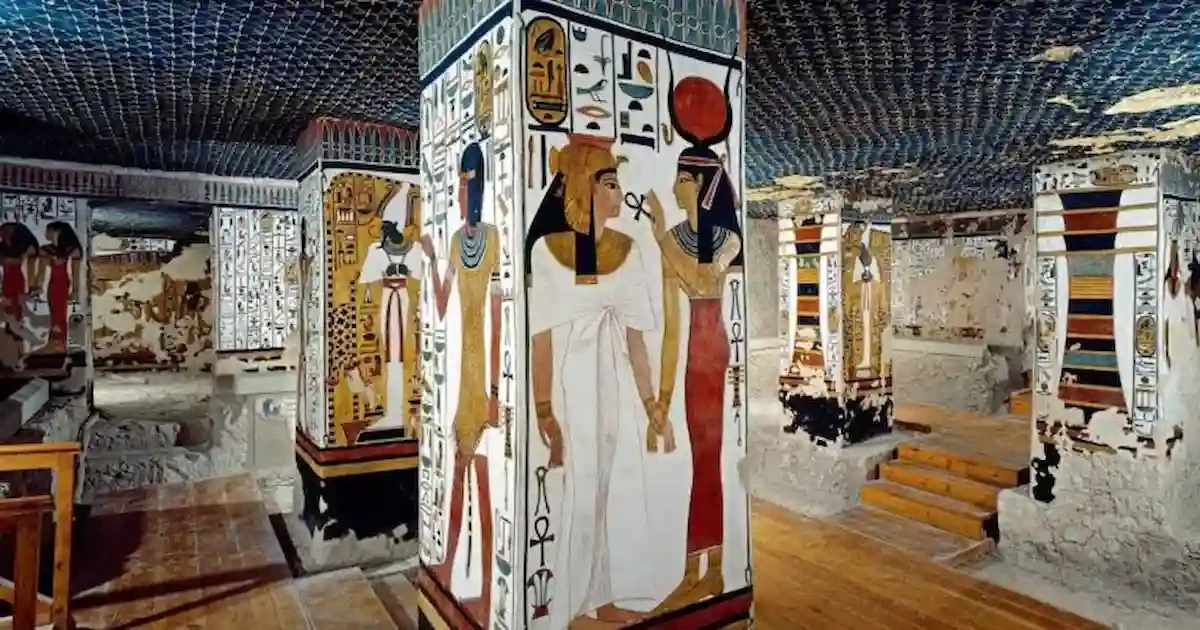
Nefertari appears in diplomatic correspondence, religious ceremonies, and monumental art. Her tomb in the Valley of the Queens is among the most beautifully decorated in Egypt, often compared to the Sistine Chapel for its vivid colors and storytelling.
Why Ramses II Built This Temple
The temple of queen nefertari at Abu Simbel wasn’t just a romantic gesture—though it certainly feels like one. Ramses II built it as a declaration. A statement that Nefertari held divine status.
What makes this temple extraordinary is that Nefertari is depicted at the same height as Ramses II on the façade. In ancient Egyptian art, scale equals importance. This equality was almost unheard of.
The temple is dedicated to Hathor, the goddess of love, music, and motherhood. By associating Nefertari with Hathor, Ramses elevated her to a divine level—blurring the line between queen and goddess.
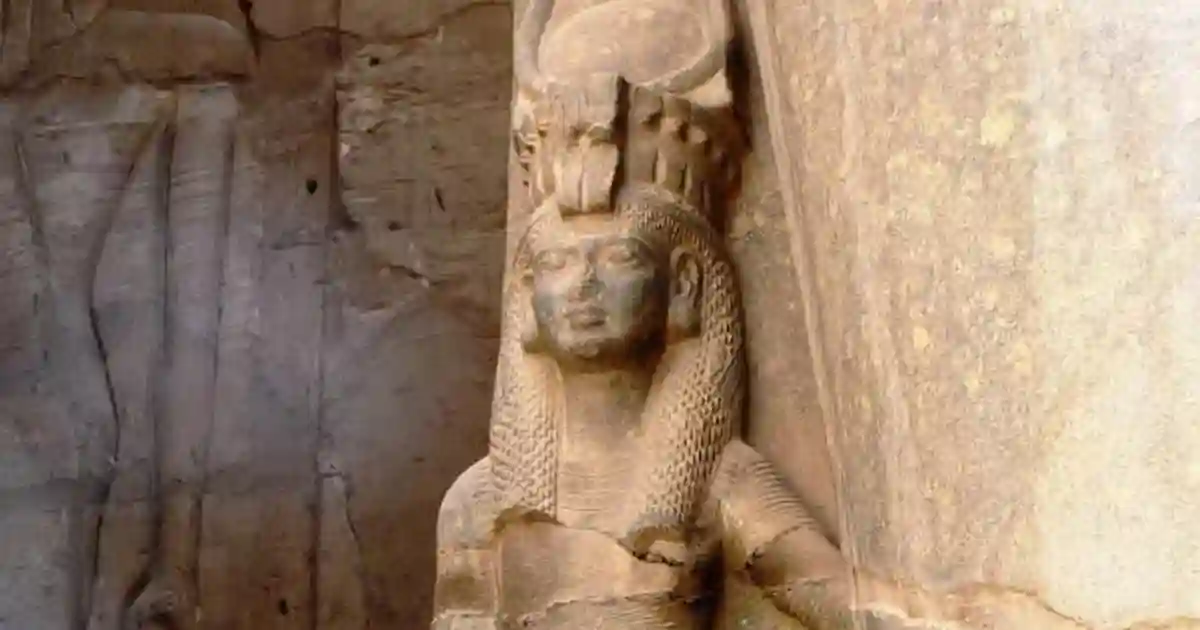
Where Is the Queen Nefertari Temple Located?
Abu Simbel and Its Timeless Landscape
The queen nefertari temple abu simbel is located in southern Egypt, near the Sudanese border. This remote setting is part of its magic. You don’t stumble upon Abu Simbel—you journey to it.
Carved directly into the cliffs overlooking Lake Nasser, the temple feels both monumental and serene. The surrounding desert amplifies its presence, making it feel like a sacred destination rather than just a historical site.
How to Get There
Most travelers reach Abu Simbel from Aswan. The journey can be made by flight or by road in the early morning hours. Luxury travelers often opt for private guided tours or chartered flights for comfort and flexibility.
If you’re exploring southern Egypt, consider combining your visit with curated Aswan day tours or exploring broader itineraries like Things to do in Aswan. These experiences often include Abu Simbel as a highlight, paired with other cultural landmarks.
Architecture and Design of the Temple of Queen Nefertari
The Façade: Hathor and Royal Symbolism
The façade of the temple of hathor for queen nefertari is striking in its elegance. Six statues dominate the entrance—four of Ramses II and two of Nefertari. But what stands out is their equality in size.
Between them, smaller statues of royal children add a sense of family continuity. Above, the goddess Hathor is represented with cow ears and a sun disk, symbolizing fertility and protection.
This façade isn’t just decorative—it’s symbolic. It communicates balance, harmony, and divine partnership.
Inside the Temple: Art, Reliefs, and Meaning
Step inside, and the atmosphere shifts. The light dims. The carvings become more intimate.
The interior walls depict Nefertari participating in religious rituals alongside the gods. She plays the sistrum, a musical instrument associated with Hathor, reinforcing her connection to the goddess.
The artistry is refined. The lines are softer than those in Ramses II’s temple. There’s a sense of grace, almost femininity, in the design.
Secrets and Symbolism of the Temple
Hidden Messages in the Reliefs
Look closely, and you’ll notice that the temple tells a layered story. It’s not just about devotion—it’s about power, identity, and legacy.
Some scholars believe the temple of nephthys for queen nefertari references symbolic dualities between life and the afterlife, though Hathor remains the dominant deity.
Hieroglyphs emphasize Nefertari’s role as both queen and divine intermediary. She isn’t passive—she’s active, engaged, essential.
The Role of Hathor and Divine Femininity
Hathor’s presence transforms the temple into more than a royal monument. It becomes a sanctuary of feminine power.
In ancient Egypt, femininity wasn’t secondary—it was sacred. Through Hathor, Nefertari embodies fertility, joy, music, and cosmic balance.
This makes the temple for queen nefertari unique. It celebrates a woman not just as a consort, but as a divine force.
For deeper historical context, you can explore sources like UNESCO and Wikipedia, which document the temple’s global significance.
What Did Queen Nefertari Do in Her Temple?
Religious Rituals and Ceremonies
So, what did Queen Nefertari actually do here?
The temple functioned as a sacred space where rituals honoring Hathor were performed. Nefertari is depicted making offerings, playing instruments, and participating in ceremonies that reinforced her divine role.
These weren’t symbolic acts—they were believed to maintain cosmic order.
Political and Cultural Significance
The temple also served a political purpose. By elevating Nefertari, Ramses II strengthened his own legitimacy.
The temple of queen nefertari abu simbel became a visual statement of unity between king, queen, and gods. It communicated stability, harmony, and divine approval.
The Relocation of Abu Simbel Temples
Saving a Monument from the Nile
In the 1960s, the construction of the Aswan High Dam threatened to submerge Abu Simbel under Lake Nasser.
What followed was one of the most ambitious archaeological rescue missions in history. The temples were carefully cut into blocks and relocated to higher ground.
UNESCO’s Role in Preservation
Led by UNESCO, this effort preserved not just the structures, but their orientation and integrity.
Today, the queen nefertari temple stands as both an ancient wonder and a modern triumph of preservation.
.webp)
Visiting Queen Nefertari Temple Today
Best Time to Visit
Early morning is ideal. The light is soft, the crowds are minimal, and the atmosphere feels almost sacred.
Winter months (October to April) offer the most comfortable temperatures.
Travel Tips for Luxury Travelers
Book a private guide for deeper insights
Consider a sunrise visit for photography
Combine with a Nile cruise for a seamless journey
Luxury travel is about experience, not just location. And this temple rewards those who take their time.
Nearby Experiences in Aswan
Cultural Highlights Around Abu Simbel
Aswan offers a rich blend of Nubian culture, ancient temples, and tranquil Nile scenery.
Visit Philae Temple, explore Elephantine Island, or enjoy a felucca ride at sunset.
Curated Travel Experiences
For a seamless journey, explore curated itineraries like Egypt Day Tours or tailor-made Aswan day tours that combine history with comfort.
Queen Nefertari Temple - FAQ
Why is the Queen Nefertari Temple unique?
It’s one of the few temples where a queen is depicted equal in size to the king, highlighting her exceptional status.
Is the temple worth visiting?
Absolutely. It offers a more intimate and artistic experience compared to larger monuments.
How long should I spend there?
Plan for 1–2 hours to fully appreciate the details and atmosphere.
Can I visit it on a day trip from Aswan?
Yes, many Aswan day tours include Abu Simbel as a full-day excursion.
What should I combine it with?
Explore Things to do in Aswan to build a well-rounded itinerary including temples, islands, and cultural experiences.
Conclusion
The Queen Nefertari Temple is more than a monument—it’s a story carved in stone. A story of love, power, and divine connection that still resonates today.
For travelers seeking depth, beauty, and meaning, this temple offers something rare: a glimpse into the soul of ancient Egypt.
If you’re planning your journey, consider curated experiences like Egypt Day Tours to bring this story to life in a way that feels personal and unforgettable.