
Nubian Museum Aswan
The Living Memory of Nubia
Set in the heart of southern Egypt, the Nubian Museum Aswan is one of the country’s most remarkable cultural landmarks.
It celebrates the rich history and identity of the Nubian people, whose lands stretched from southern Egypt into northern Sudan.
Built to preserve a heritage that risked being lost under the waters of Lake Nasser after the construction of the Aswan High Dam, this museum stands today as a tribute to Nubia’s resilience, art, and timeless culture.

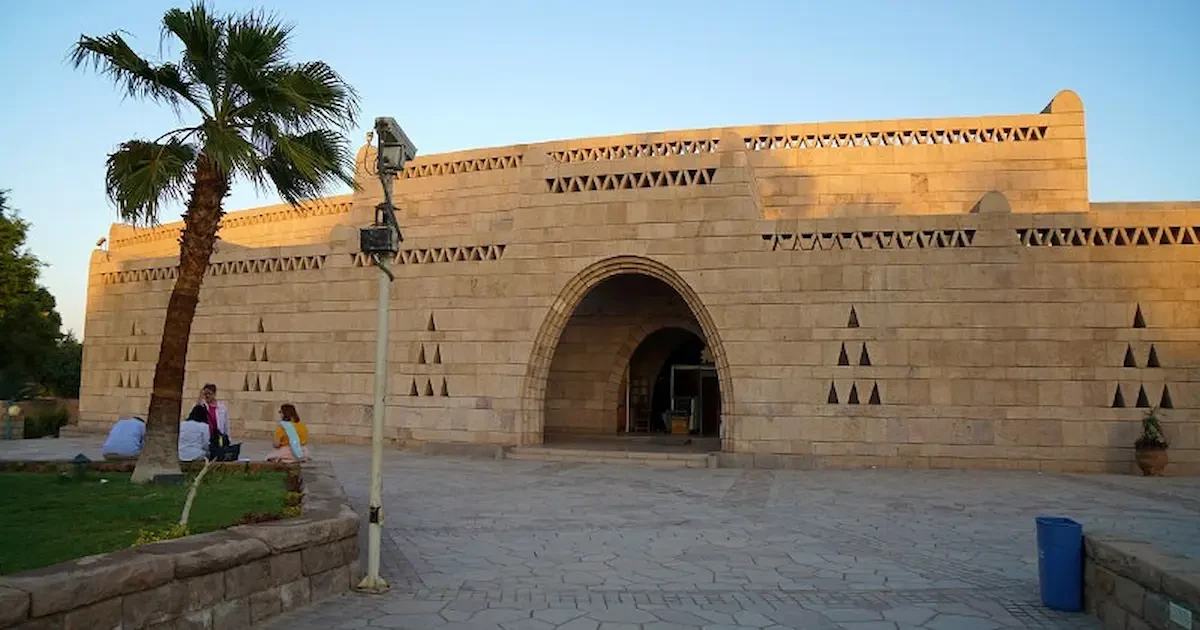
The stunning Nubian Museum in Aswan showcases the history and art of ancient Nubia.
History and Purpose of the Nubian Museum
The Nubian Museum Aswan was inaugurated in 1997, following an international UNESCO campaign to safeguard Nubian heritage after the relocation of major temples like Abu Simbel and Philae Temple during the building of the Aswan High Dam.
Designed by Egyptian architect Mahmoud El-Hakim, the museum covers 50,000 square meters, harmoniously blending with Aswan’s desert landscape.
Its sandstone walls and terraces reflect the traditional Nubian architectural style, creating a serene atmosphere that mirrors the banks of the Nile.
The museum’s main mission is to document, preserve, and present the unique culture of Nubia, showcasing thousands of artifacts that tell the story of a civilization stretching back over 5,000 years.
Location and How to Get There
Address: Al Fanadek Street, Aswan, Egypt
Location: East Bank of the Nile, near the Basma Hotel and close to Elephantine Island
Access:
10 minutes by taxi or private car from Aswan City Center
Often included in Aswan Day Tours or Nile River Cruises excursions
Visitor Information
CategoryDetailsOpening HoursDaily: 9:00 AM – 5:00 PMTicket Price (Egyptians)30 EGP (students: 10 EGP)Ticket Price (Foreigners)100 EGP (students: 50 EGP)Best Time to VisitOctober to April (cooler months)PhotographyAllowed for personal use (no flash)Official WebsiteMinistry of Tourism and Antiquities – Nubian Museum

The stunning Nubian Museum in Aswan showcases the history and art of ancient Nubia.
Highlights of the Nubian Museum Aswan
The museum displays more than 3,000 artifacts, each revealing a piece of Nubia’s long and diverse history — from prehistoric times through the Pharaonic, Christian, and Islamic eras.
1. Prehistoric and Pharaonic Eras
Exhibits from the earliest Nubian settlements, tools, pottery, and carvings show how early communities thrived along the Nile’s fertile banks.
Statues of Pharaoh Ramses II and relics from Abu Simbel Temples connect Nubian and Egyptian histories.
2. Christian and Islamic Periods
Beautiful Coptic icons, crosses, and Islamic manuscripts demonstrate Nubia’s continuous evolution and religious diversity.
3. Art and Daily Life
Paintings, jewelry, textiles, and household items show how Nubians lived, dressed, and celebrated their vibrant traditions.
The museum also houses a fascinating ethnographic section displaying traditional Nubian houses, musical instruments, and crafts.
Museum Architecture and Surroundings
The museum’s design is as impressive as its contents.
It follows the natural slope of the desert terrain, with stone pathways leading through gardens, palm trees, and rock sculptures.
The open-air spaces recreate the ancient landscape of Nubia, including a model village and a replica of an ancient tomb.
The use of natural Aswan granite and sandstone gives the building a warm golden hue, especially striking at sunset.
The Outdoor Garden and Open-Air Exhibits
Outside the main halls, the museum features:
Rock carvings dating back to the Paleolithic era
Sculptures from relocated temples
A small artificial lake symbolizing the Nile
Stone statues and obelisks arranged to represent Nubian monuments
This garden setting makes the museum ideal for leisurely exploration, combining history, art, and nature.
Nubian Culture and Heritage
The Nubian Museum Aswan isn’t just a place of artifacts — it’s a living memory of a community.
It represents the heart of Nubian identity, which was nearly lost after the relocation of thousands of people during the construction of the High Dam.
Through art, storytelling, and exhibitions, visitors gain insight into Nubian music, folklore, and craftsmanship — all of which continue to flourish today in nearby Nubian Villages.

Educational and Cultural Programs
The museum hosts workshops, school visits, and cultural events throughout the year.
These programs aim to educate young Egyptians and tourists about Nubia’s unique contribution to world civilization.
Occasional exhibitions also feature modern Nubian artists, linking the past with the present.
Photography Tips
Best lighting is between 9 AM – 11 AM.
Use wide angles for the garden and architecture.
Don’t miss the golden glow of the sandstone at sunset.
Respect “no photo” areas, especially inside galleries.
Travel Tips
Combine your visit with Philae Temple and Aswan High Dam for a full cultural day.
Bring a bottle of water and a hat — the area can get hot.
Allow at least 1.5 to 2 hours to explore the entire complex.

The stunning Nubian Museum in Aswan showcases the history and art of ancient Nubia.
FAQ – Visiting Nubian Museum Aswan
What makes the Nubian Museum unique?
It’s the only museum in Egypt dedicated entirely to Nubian civilization and culture, built with UNESCO support.
Is it suitable for children?
Yes — the colorful exhibits and outdoor areas make it family-friendly and educational.
Can I buy souvenirs inside?
Yes, a small gift shop offers authentic Nubian crafts and handmade jewelry.
How long should I plan for a visit?
Around 2 hours, including the open-air exhibits and garden walk.
Can I combine it with a Nile Cruise excursion?
Absolutely — many Nile River Cruises and Luxury Nile Cruises include it as part of their Aswan itinerary.