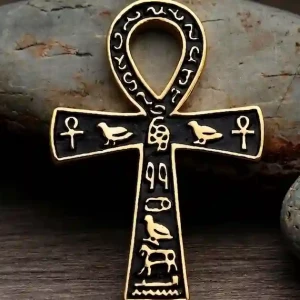
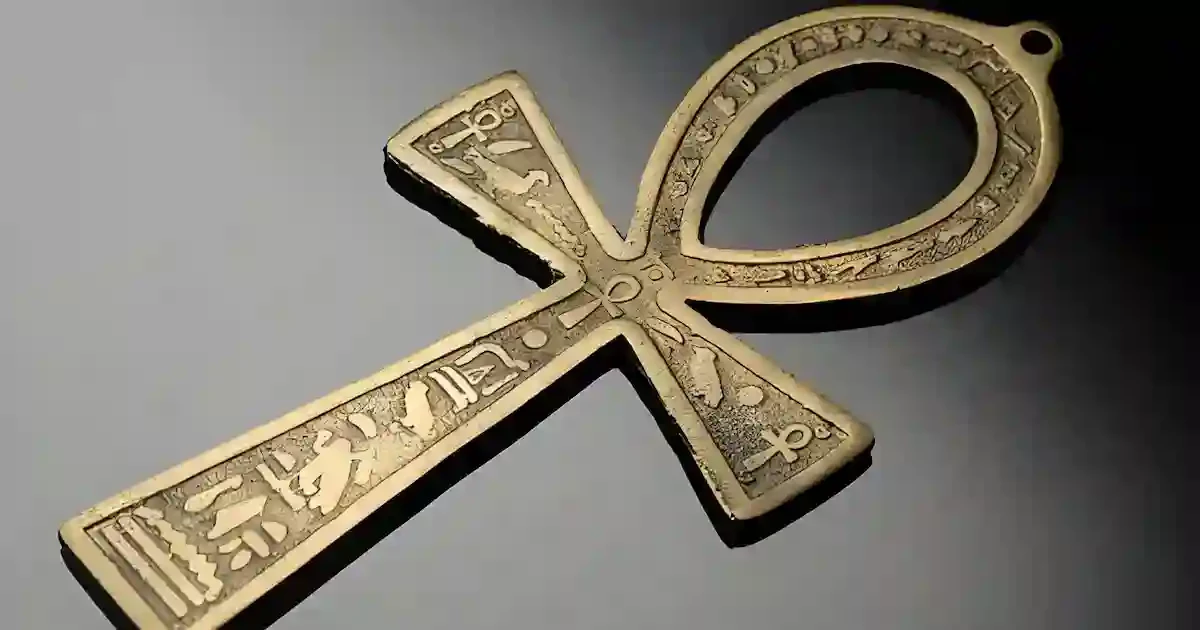
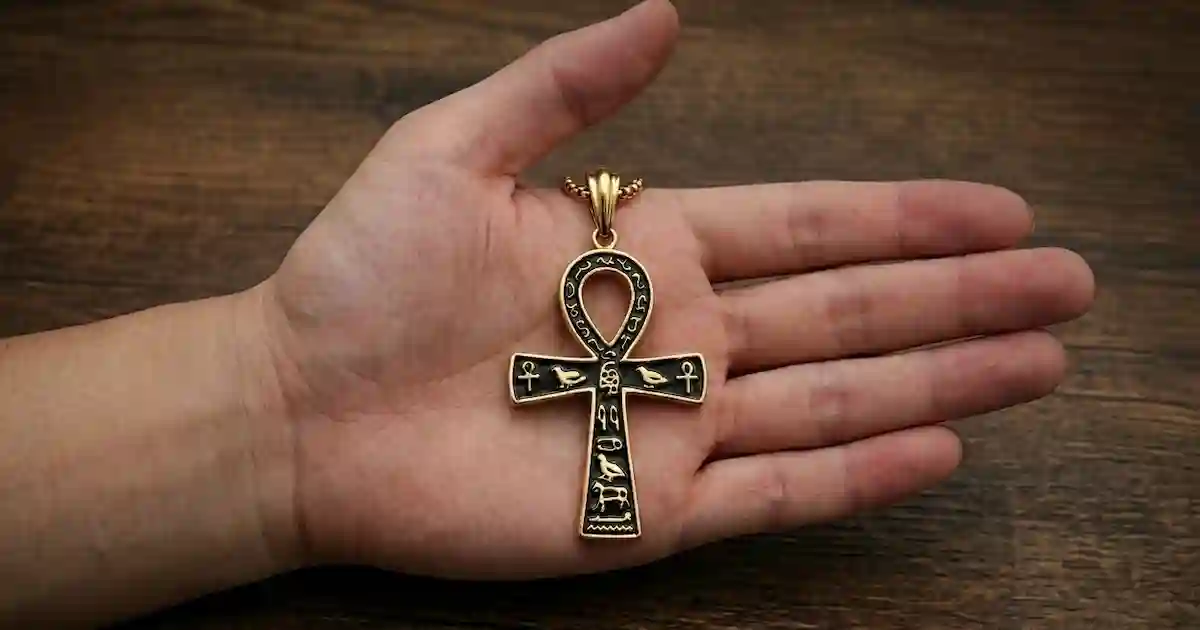
There’s something quietly powerful about holding an ankh necklace in your hand. The smooth curve of its loop, the balance of its cross—simple, yet deeply symbolic. The ankh necklace meaning goes far beyond jewelry; it tells a story that began thousands of years ago along the Nile.
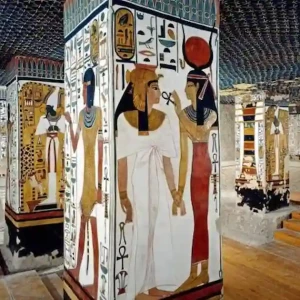
Walk through any museum in Egypt, and you’ll notice it instantly. Carved into temple walls, held by gods, placed beside pharaohs—the ankh is everywhere. Today, travelers and collectors wear it as a statement piece, but few truly understand the depth behind the ankh necklace meaning.
This guide will take you deeper. You’ll discover its origins, its symbolism, and how it continues to resonate in modern spirituality and design. If you’re planning a cultural journey, combining this knowledge with curated experiences like Egypt Day Tours will bring these symbols to life in unforgettable ways.
What Is the Ankh Necklace Meaning?
The Origin of the Ankh Symbol
The ankh is one of the most recognizable symbols from ancient Egypt. Often described as a cross with a loop at the top, it dates back to the Early Dynastic Period—long before the pyramids of Giza were completed.
No single explanation defines its origin. Some scholars believe it represents the union of male and female energies. Others interpret it as a stylized key—often called the Key of Life.
What’s certain is its importance. Egyptian deities are frequently depicted holding the ankh, offering it to pharaohs as a gift of life. It wasn’t decorative. It was sacred.
For historical context, explore: Wikipedia
Why It Represents Life
At its core, the meaning of ankh necklace is simple yet profound: life. Not just physical existence, but eternal life—the kind that continues beyond death.
In ancient Egypt, life didn’t end at burial. It transformed. The ankh symbolized that continuity, bridging the human world and the divine.
When worn today, it often reflects a desire for connection—whether spiritual, cultural, or symbolic. It’s a reminder of something bigger than the present moment.
The Symbolism Behind the Ancient Egyptian Ankh Amulet
Life, Immortality, and the Afterlife
The ancient egyptian ankh amulet was more than a symbol—it was a protective object. Egyptians believed it carried power. They placed it in tombs, carved it into walls, and wore it as jewelry.
The loop at the top is often interpreted as eternal life. The cross below represents existence in the physical world. Together, they form a complete vision of life and afterlife intertwined.
This idea shaped Egyptian civilization. Death wasn’t feared—it was prepared for. The ankh became a reassuring symbol, a promise that life would continue.
The Ankh in Egyptian Daily Life
While deeply spiritual, the ankh wasn’t limited to temples or tombs. It appeared in everyday objects—mirrors, amulets, decorative carvings.
Priests used it in rituals. Artists incorporated it into designs. It became part of the visual language of Egypt.
Understanding this helps you see Egypt differently. These symbols weren’t abstract—they were lived, experienced, and deeply personal.
Ankh Spiritual Meaning Across Cultures and Beliefs
Ankh Meaning in Christianity
Over time, the ankh crossed cultural boundaries. Some scholars draw parallels between the ankh and the Christian cross, particularly in Coptic Christianity in Egypt.
The ankh meaning in christianity is often associated with eternal life and resurrection—concepts that closely mirror its original symbolism.
While not identical, the visual similarity and shared themes suggest a fascinating overlap of beliefs across centuries.
Modern Spiritual Interpretations
Today, the ankh spiritual meaning has expanded even further. Many people wear it as a symbol of balance, energy, and life force.
In spiritual communities, it’s sometimes associated with protection and vitality. Others see it as a connection to ancient wisdom.
Its meaning has evolved, but its essence remains the same: life, continuity, and connection.
The Ankh Necklace in History and Fashion
From Pharaohs to Modern Jewelry
Originally, the ankh was reserved for gods and royalty. Over time, it became more accessible, appearing in personal adornments.
Today, it’s a global symbol. You’ll find it in luxury jewelry collections, artisan markets, and modern fashion pieces.
But context matters. A handcrafted ankh from Cairo carries a different energy than a mass-produced version elsewhere.
Why Travelers and Collectors Love It
For travelers, the ankh necklace is more than a souvenir. It’s a story you can wear.
Luxury travelers, in particular, seek pieces that feel authentic—crafted locally, inspired by history, and connected to place.
Pairing cultural exploration with shopping experiences through Egypt Day Tours often leads to discovering unique, meaningful pieces.
How to Choose an Ankh Necklace Today
Materials and Craftsmanship
Not all ankh necklaces are created equal. Materials range from gold and silver to brass and stone.
Look for craftsmanship. Hand-engraved details, balanced proportions, and quality materials make a noticeable difference.
In Egypt, artisans often draw inspiration from historical designs, creating pieces that feel both timeless and personal.
Authentic vs. Souvenir Pieces
It’s easy to buy an ankh necklace anywhere—but authenticity matters.
A true artisan piece reflects tradition. A souvenir may look similar but lacks depth.
Take your time. Ask questions. Understand the story behind what you’re buying.
Experiencing the Ankh in Egypt: Where to See It
Temples and Museums
To truly understand the ankh necklace meaning, you need to see it in context.
Visit temples in Luxor and Aswan. Explore museum collections in Cairo. Look closely at carvings—you’ll start to notice the ankh everywhere.
For UNESCO-listed heritage sites, see.
Cultural Experiences for Travelers
Egypt isn’t just a destination—it’s an experience layered with history.
Exploring ancient sites while learning about ancient egyptian gods adds depth to what you see. Suddenly, symbols like the ankh make sense.
Guided experiences through Egypt Day Tours allow you to connect these dots, transforming a simple visit into something meaningful.
Conclusion
The ankh is more than a symbol—it’s a story that has traveled across time, cultures, and beliefs. From ancient temples to modern jewelry, it continues to represent life, continuity, and connection.
Understanding the ankh necklace meaning adds a new layer to your travels, especially in Egypt where its origins still echo through stone and history. If you’re planning your journey, explore curated cultural experiences and discover the symbol where it all began.
Ankh Necklace Meaning - FAQ
What does the ankh necklace symbolize?
The ankh necklace symbolizes life and eternal existence. It represents both physical life and the afterlife, making it one of the most powerful ancient symbols with meaning.
Is the ankh a religious symbol?
Yes, it originated in ancient Egyptian religion and was associated with gods and immortality. Today, it also carries spiritual and cultural meanings.
Can tourists buy authentic ankh necklaces in Egypt?
Absolutely. Many markets and artisan shops offer handcrafted pieces. Joining Egypt Day Tours can help you find authentic sources.
What is the ankh meaning in Christianity?
It’s often linked to eternal life and resurrection, especially in Coptic traditions, though it differs slightly from the traditional cross.
Where can I see the ankh symbol in Egypt?
You’ll find it in temples, tombs, and museums across Egypt. Guided visits that include insights into ancient egyptian gods make the experience richer.