Egypt Valley of the Kings
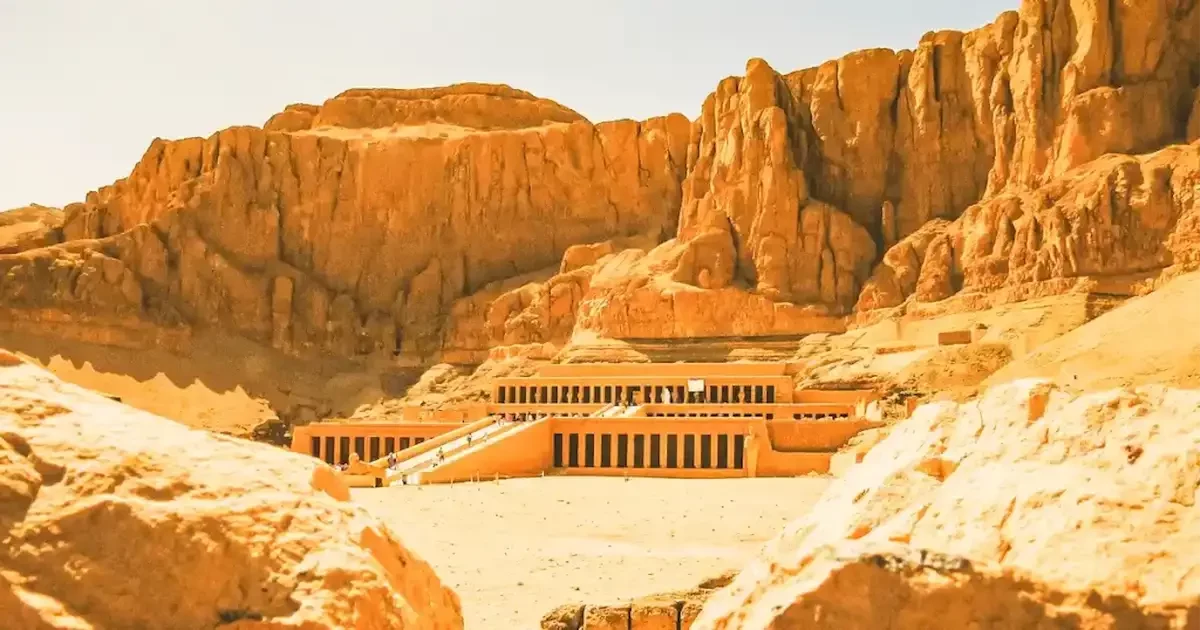
Table of Contents
Introduction to the Egypt Valley of the Kings
The Egypt Valley of the Kings in Luxor is one of the most legendary archaeological sites in the world. Home to more than 60 royal tombs carved into desert cliffs, this valley served as the final resting place for pharaohs of the New Kingdom, including the famous Tutankhamun and Ramses II. A visit here isn’t just sightseeing—it’s a journey through the heart of ancient Egyptian history.
For travelers planning their trip to Luxor, the Valley of the Kings is often the highlight of their itinerary. In this guide, we’ll cover everything you need to know: ticket prices, opening hours, must-see tombs, how to visit, and practical tips. Whether you’re exploring independently or booking a Luxor day tour, the Valley of the Kings is an unforgettable experience.
Related: Things to do in Egypt | Things to do in Luxor
Egypt Valley of the Kings History
The Valley of the Kings was chosen as the royal burial ground during the New Kingdom (1550–1070 BCE). Its remote desert location provided security from tomb robbers, while the limestone cliffs made it possible to carve elaborate chambers deep into the rock.
Notable rulers buried here include:
Tutankhamun (KV62) – the most famous tomb ever discovered.
Ramses VI (KV9) – with one of the most spectacular ceilings in ancient Egypt.
Seti I (KV17) – considered the longest and most decorated tomb in the valley.
The valley reflects the Egyptians’ beliefs in the afterlife, with walls covered in colorful hieroglyphs from the Book of the Dead and other funerary texts.
Visiting the Egypt Valley of the Kings
Travelers can reach the valley easily from Luxor’s west bank. It’s about a 30-minute drive from the city center. You can visit on your own or join a guided Valley of the Kings day tour from Luxor for expert insights.
Many tours also combine the valley with nearby sites like the Temple of Hatshepsut and the Colossi of Memnon, offering a full west bank experience.
Related: Luxor Day Tours
Egypt Valley of the Kings Tickets & Opening Hours
Here’s the most updated visitor information for 2025:
DetailInformationOpening Hours6:00 AM – 5:00 PM (last entry at 4:00 PM)Standard Ticket300 EGP (includes entry to 3 tombs, excluding special tombs)Tutankhamun’s TombAdditional 360 EGPSeti I’s TombAdditional 1,000 EGPRamses VI’s TombAdditional 100 EGPPhotography Permit300 EGP (no flash allowed)AddressLuxor West Bank, near Deir el-Bahari, Luxor, Egypt
Tip: Tickets are purchased at the visitor center near the entrance. Some tours include tickets in the package, while others require separate purchase.
Inside the Egypt Valley of the Kings – Must-See Tombs
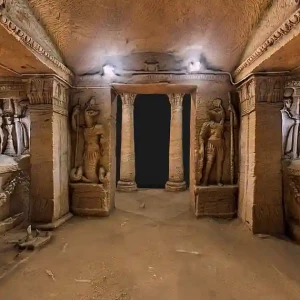
Exploring inside the tombs is the highlight of visiting the Valley. Each one is unique, but here are the most popular:
Tomb of Tutankhamun (KV62)
Discovered in 1922 by Howard Carter, this tomb captured global attention with its treasures, including the famous golden mask. While most treasures are now displayed at the Grand Egyptian Museum in Giza, the tomb itself remains a must-see.
Tomb of Ramses VI (KV9)
Known for its vibrant astronomical ceiling, this tomb features detailed depictions of the Book of the Gates and the Book of Caverns.
Tomb of Seti I (KV17)
At over 100 meters long, Seti I’s tomb is among the largest and most elaborate in the valley, though it requires a special ticket.
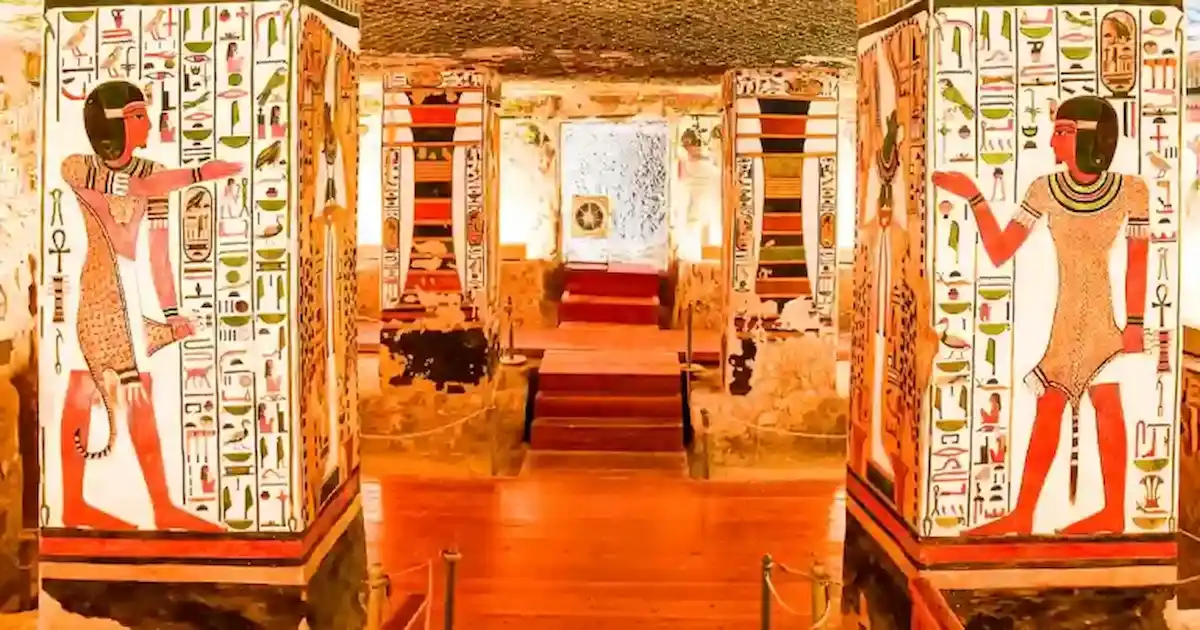
Egypt Valley of the Kings tour in Luxor – tomb entrances inside
Other Notable Tombs
Ramses III (KV11)
Merenptah (KV8)
Tausert and Setnakht (KV14)
For a deeper dive into what you’ll see: Inside Valley of the Kings – What to See
How to Reach the Valley of the Kings in Egypt
From Luxor city: Take a taxi, private car, or ferry across the Nile followed by a short drive.
By tour: Most day tours include hotel pickup, a guide, and combined visits to multiple west bank sites.
Independent visitors: Public minibuses and bicycles are also options, but guided tours provide far more context.
Best Time to Visit the Valley of the Kings
Early Morning (6–9 AM): Best to avoid crowds and the midday heat.
Season: October to April offers the most pleasant weather. Summers can be extremely hot.
Festivals: Avoid peak Egyptian holidays when the site is busiest.
Practical Tips for Visiting Egypt Valley of the Kings
Wear light, breathable clothing and comfortable shoes.
Bring water, sunscreen, and a hat—the valley is very hot and exposed.
Photography is allowed only with a permit.
Not all tombs are open at the same time; usually around 10 are rotated for preservation.
Guided tours are recommended to understand the meanings of the hieroglyphs.
Egypt Valley of the Kings Tours
If you’d prefer not to navigate the site on your own, booking a Valley of the Kings tour is highly recommended. Options include:
Half-Day Tours – Cover the Valley plus one or two nearby sites.
Full-Day Tours – Include the Valley of the Kings, Temple of Hatshepsut, Colossi of Memnon, and Karnak Temple.
Private Guided Tours – Tailored experiences with an Egyptologist.
Ready to book? Check our Egypt Valley of the Kings Tour page for itineraries and prices.
Combining the Valley of the Kings with Other Luxor Attractions
The west bank of Luxor is rich in history. Popular combinations include:
Temple of Hatshepsut – An iconic mortuary temple.
Colossi of Memnon – Two massive statues guarding the Theban necropolis.
Medinet Habu – The mortuary temple of Ramses III.
Related: Things to do in Egypt | Things to do in Luxor
FAQs about the Egypt Valley of the Kings
Q: How many tombs are open to the public?
A: Out of 60+ tombs, usually 8–10 are open at a time, rotated for preservation.
Q: How long does a visit take?
A: A standard visit takes 2–3 hours, but exploring more tombs can take half a day.
Q: Is Tutankhamun’s tomb worth the extra ticket?
A: Yes—though small, it’s iconic and contains the pharaoh’s mummy.
Q: Can you take photos inside?
A: Yes, with a photography permit, but flash is not allowed.
Q: Is the Valley of the Kings accessible for disabled travelers?
A: Some areas are accessible, but many tombs involve stairs and uneven ground.
Conclusion
The Egypt Valley of the Kings is more than just a sightseeing stop—it’s a journey back to the golden age of the pharaohs. From the famous tomb of Tutankhamun to the vast chambers of Seti I, every step reveals a story thousands of years old.
Whether you explore independently or join a guided day tour from Luxor, visiting the Valley of the Kings is an essential part of any Egypt trip.
Plan your adventure today: Luxor Day Tours
Learn more: Egypt Ministry of Tourism – Valley of the Kings