Scarab Amulet - Everything You Need to Know
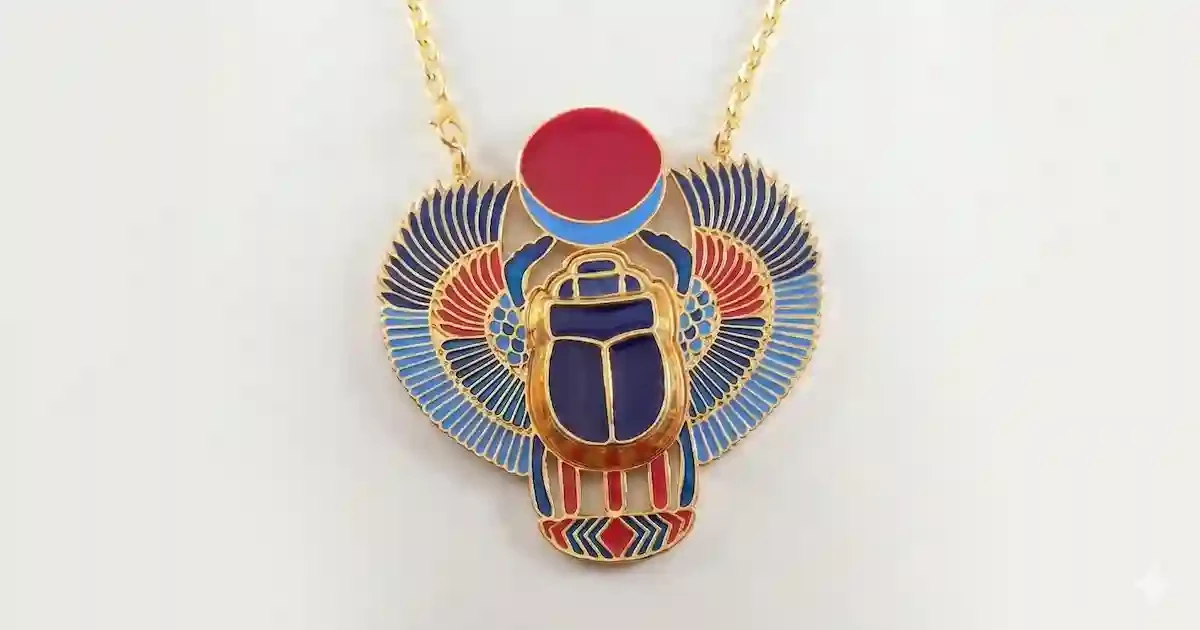
There’s a quiet moment that happens in Egypt—usually when you least expect it. You’re standing inside a dimly lit temple in Luxor, tracing your fingers over ancient carvings, when you notice it. A small figure, repeated again and again. A beetle. Simple. Yet unmistakably powerful.
This is the story of the Scarab Amulet.
The Scarab Amulet isn’t just another artifact from Ancient Egypt. It’s one of the most enduring symbols of transformation, protection, and eternal life. From royal tombs to everyday jewelry, the scarab amulet carried meaning that transcended status and time.
In this guide, you’ll uncover the deeper significance behind the scarab beetle amulet, explore its role in ancient rituals, and discover how to experience—and even own—one today. If you're planning to explore Egypt, journeys like Egypt Day Tours offer a chance to see these symbols in their original setting.
Table of Contents
What Is a Scarab Amulet? Origins and Symbolism
The Scarab Beetle Amulet in Ancient Egyptian Belief
The Role of Scarab Amulets in Daily Life and Burial
Egyptian Amulets Scarab: Materials, Designs, and Craftsmanship
The Scarab Amulet in Royal and Elite Culture
The Modern Appeal of the Egyptian Scarab Amulet
Where to See and Buy Authentic Scarab Amulets in Egypt
FAQ
Conclusion
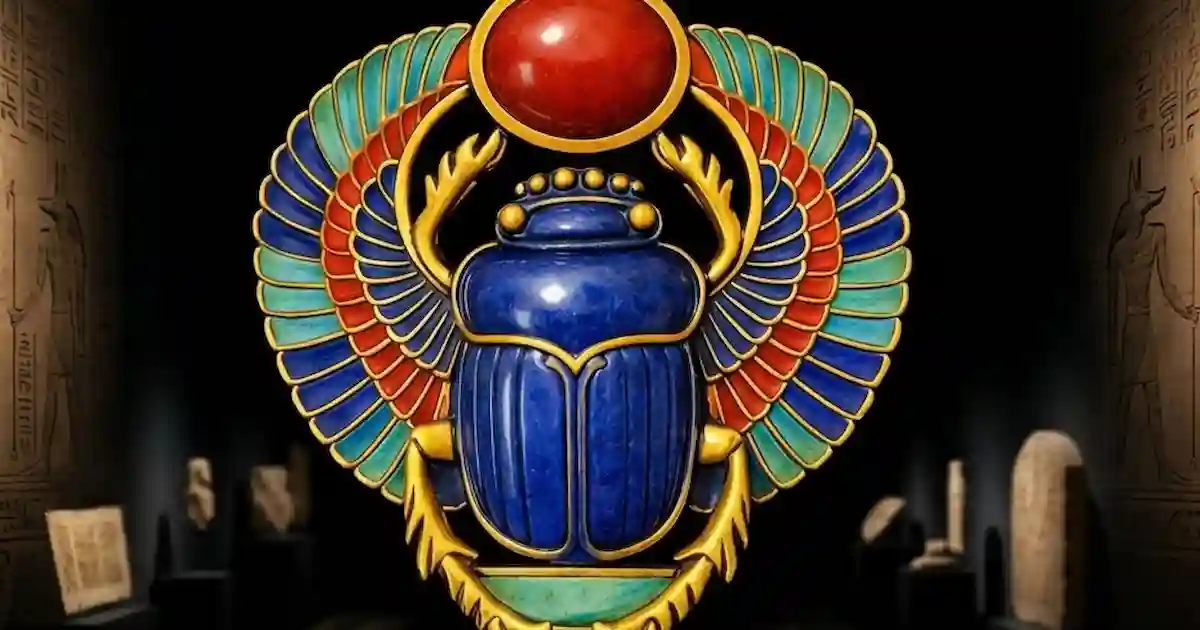
What Is a Scarab Amulet? Origins and Symbolism
At first glance, the scarab amulet might seem like a simple carving of a beetle. But in Ancient Egypt, nothing was ever just decorative.
The scarab beetle—specifically the dung beetle—was observed rolling balls of dung across the desert. To the ancient Egyptians, this mirrored the movement of the sun across the sky.
This observation transformed the insect into a symbol of cosmic power.
The scarab amulet came to represent creation, renewal, and the endless cycle of life. It wasn’t just worn—it was believed to actively protect and transform the wearer.
Today, that symbolism still resonates. It’s why the ancient egyptian scarab amulet remains one of the most recognizable and meaningful artifacts in Egyptian history.
The Scarab Beetle Amulet in Ancient Egyptian Belief
The Connection to Khepri and the Sun
The scarab beetle was closely associated with Khepri, a manifestation of the sun god who represented the rising sun.
Each morning, as the sun rose, it was believed that Khepri pushed it into the sky—just as the beetle rolled its ball. This powerful image connected the scarab directly to creation and rebirth.
Understanding this connection opens the door to a deeper appreciation of Ancient Egyptian Gods and how symbols shaped everyday life.
Rebirth and Eternal Life
Because of this solar association, the scarab became a symbol of resurrection. It wasn’t just about life—it was about life after death.
Amulets were placed in tombs to ensure safe passage into the afterlife. They acted as guardians, guiding the soul through unknown realms.
According to UNESCO documentation on Egyptian heritage, burial objects like scarabs played a crucial role in funerary practices.
The Role of Scarab Amulets in Daily Life and Burial
Protective Power in Life
Scarabs weren’t reserved for the dead. They were part of daily life.
People wore smaller versions as jewelry—rings, necklaces, bracelets. These egyptian amulets scarab were believed to offer protection, luck, and vitality.
They acted like a shield, guarding against unseen forces.
Heart Scarabs and the Afterlife
One of the most fascinating forms is the heart scarab. Larger and more detailed, it was placed over the heart of the deceased.
Its purpose? To prevent the heart from betraying the owner during judgment in the afterlife.
This belief adds emotional depth to the scarab amulet—it wasn’t just protection. It was reassurance.
Egyptian Amulets Scarab: Materials, Designs, and Craftsmanship
Common Materials Used
The beauty of the egyptian amulet scarab lies in its diversity. Materials ranged from simple stone to precious gems.
Faience—a glazed ceramic—was widely used, giving scarabs their iconic blue-green color. Gold and semi-precious stones were reserved for elites.
Each material carried its own meaning, enhancing the power of the amulet.
Hieroglyphs and Inscriptions
Turn a scarab over, and you’ll often find inscriptions. Names, prayers, symbols.
Some were personal. Others referenced gods or spells for protection.
According to Wikipedia, many scarabs also functioned as seals, used to stamp documents or goods.
This dual purpose—practical and spiritual—makes the scarab beetle amulet uniquely versatile.
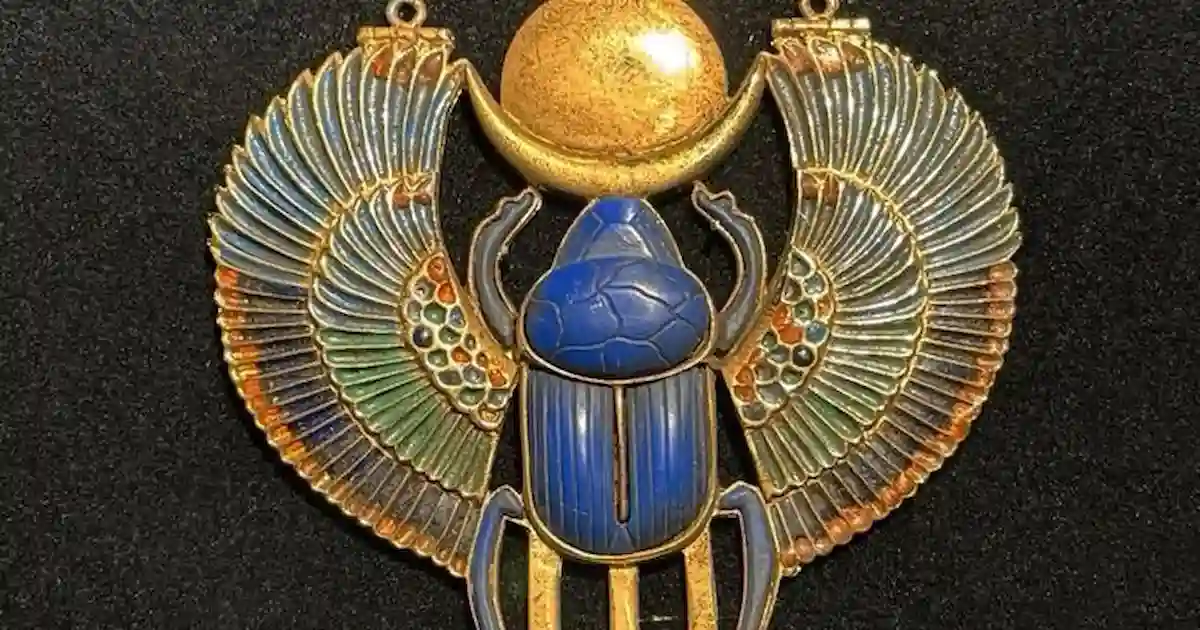
The Scarab Amulet in Royal and Elite Culture
Pharaohs and Symbolic Authority
For pharaohs, the scarab wasn’t optional—it was essential.
It reinforced their divine connection and their role in maintaining cosmic order.
In tombs across Giza and Saqqara, scarabs appear alongside other powerful symbols, forming a complete narrative of life, death, and rebirth.
Scarabs in Jewelry and Seals
Beyond amulets, scarabs appeared in rings and seals. Officials used them to mark authority.
This practical use elevated their importance. They weren’t just symbolic—they were functional tools of governance.
It’s rare to find an artifact that bridges spirituality and administration so seamlessly.
The Modern Appeal of the Egyptian Scarab Amulet
Spiritual Meaning Today
Today, the egyptian scarab amulet has found new life.
People wear it as a symbol of transformation. A reminder that change is constant—and often necessary.
It speaks to resilience. To renewal. To starting again.
Why Travelers and Collectors Love It
Luxury travelers are drawn to pieces that tell a story. The scarab does exactly that.
It’s compact, elegant, and deeply meaningful.
Whether purchased in a boutique in Cairo or discovered in a museum, it connects you to something far greater than yourself.
Where to See and Buy Authentic Scarab Amulets in Egypt
Museums, Markets, and Trusted Sources
If you want authenticity, start with museums. The Egyptian Museum offers incredible examples of ancient egyptian scarab amulet designs.
Markets are more varied. You’ll find everything from handcrafted pieces to mass-produced souvenirs.
The key is knowing what you’re looking for.
Cultural Experiences for Travelers
The best way to appreciate the scarab is to see it in context.
Explore temples. Visit tombs. Walk through ancient sites.
Experiences like Egypt Day Tours bring these symbols to life, connecting history with place in a way no object alone can.
Only then does the amulet truly make sense.
Conclusion
The Scarab Amulet is far more than a carved beetle—it’s a symbol of transformation, protection, and eternal life that has endured for thousands of years. From its deep connection to the sun god Khepri to its role in burial rituals and daily life, it reflects the very essence of ancient Egyptian belief.
For modern travelers, it offers something rare: a tangible connection to a civilization that still speaks through its symbols. Whether you encounter it in a museum or wear it as your own, it carries a story worth keeping.
Ready to discover it for yourself? Explore Egypt Day Tours and experience the world behind the Scarab Amulet firsthand.
FAQ
1. What does a Scarab Amulet symbolize?
It represents rebirth, protection, and transformation. It’s closely tied to the sun and the cycle of life.
2. Why was the scarab beetle important in ancient Egypt?
It symbolized the movement of the sun and was linked to the god Khepri, representing creation and renewal.
3. Where can I buy an authentic egyptian scarab amulet?
Museum shops and trusted boutiques in Egypt are the best options. Egypt Day Tours can guide you to reliable places.
4. What is a heart scarab?
A larger scarab placed on the chest of the deceased, meant to protect the heart during judgment in the afterlife.
5. Are scarab amulets still used today?
Yes. Many people wear them for spiritual meaning or as unique, meaningful jewelry inspired by ancient traditions.