Eye of Ra Amulet - Meaning, History & Best Picks
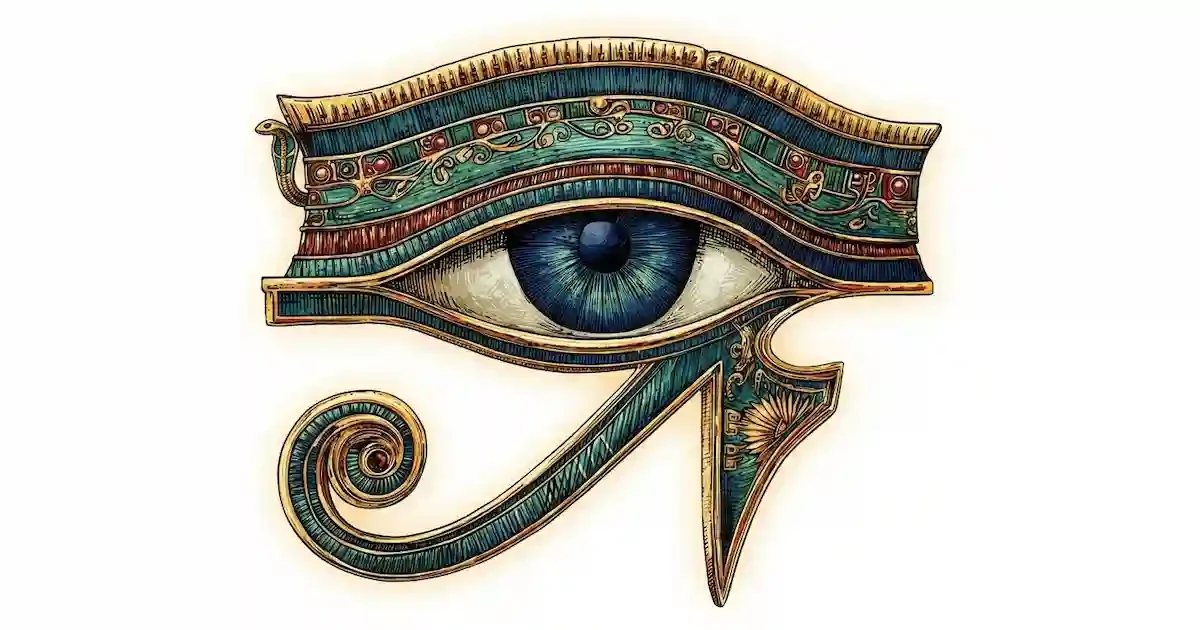
The air inside the tomb is still. Dust floats in golden shafts of light, and for a moment, time dissolves. You glance at a carved symbol—an eye, sharp and watchful. It feels alive. This is where the story of the eye of ra amulet begins.
The eye of ra amulet isn’t just an artifact. It’s a symbol of power, protection, and divine energy that has traveled across thousands of years. From temple walls in Luxor to museum displays in Cairo, the eye of ra amulet continues to fascinate travelers, collectors, and spiritual seekers alike.
In this guide, you’ll uncover the true eye of ra meaning, explore its royal connections, and learn how to choose an authentic piece today. If you're planning to explore Egypt, experiences like Egypt Day Tours bring you even closer to these timeless symbols.
Table of Contents
What Is the Eye of Ra Amulet? Origins and Meaning
The Eye of Ra Meaning in Ancient Egyptian Mythology
The Eye of Ra Amulet in Ancient Egypt: Use and Symbolism
Did King Tut Possess an Amulet Eye of Ra? Royal Connections
Eye of Ra Spiritual Meaning: Modern Interpretations
How to Choose the Perfect Eye of Ra Amulet Today
Where to Experience and Buy Authentic Eye of Ra Amulets
FAQ
Conclusion
What Is the Eye of Ra Amulet? Origins and Meaning
The eye of ra amulet traces its roots to one of the most powerful deities in Ancient Egypt—Ra, the sun god and creator.
Unlike decorative jewelry, an amulet with the eye of ra carried intention. It was believed to channel the fierce energy of the sun—both protective and destructive. The symbol itself represents the right eye of Ra, associated with sunlight, fire, and divine authority.
Ancient Egyptians didn’t separate the physical from the spiritual. Wearing the eye of ra amulet meant carrying a fragment of divine power with you.
Today, the symbol still resonates. Not because of superstition, but because of its layered meaning—strength, vigilance, and protection in a world that often feels uncertain.
The Eye of Ra Meaning in Ancient Egyptian Mythology
The Solar Power of Ra
The eye of ra meaning is deeply tied to the sun. In myth, the Eye of Ra wasn’t passive—it acted as an extension of the god himself, capable of punishing enemies and restoring order.
It was often personified as goddesses like Sekhmet or Hathor, embodying both nurturing and destructive forces. This duality made the eye of ra one of the most complex symbols in Egyptian belief.
For a deeper understanding of Egyptian mythology, exploring Ancient Egyptian Gods reveals how interconnected these symbols truly were.
Eye of Ra vs Eye of Horus
Many travelers confuse the Eye of Ra with the Eye of Horus. They look similar—but their meanings differ.
The Eye of Horus symbolizes healing and protection. The Eye of Ra represents power and control. One restores. The other defends and dominates.
According to Wikipedia, this distinction played a significant role in how each amulet was used in rituals and daily life.
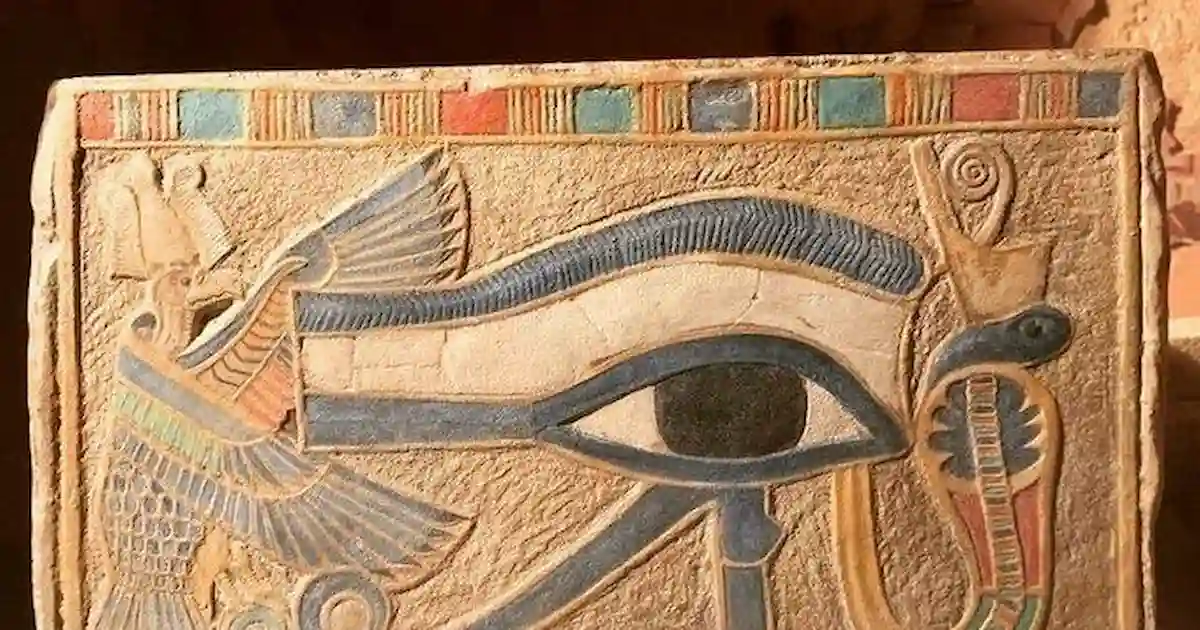
The Eye of Ra Amulet in Ancient Egypt: Use and Symbolism
Protection, Power, and Divine Authority
The eye of ra amulet wasn’t worn casually. It was often reserved for those seeking protection or asserting authority.
Warriors wore it into battle. Priests used it in rituals. Pharaohs incorporated it into regalia to reinforce their divine connection.
It symbolized a watchful force—one that could ward off enemies and maintain cosmic balance.
Who Wore the Amulet?
While elites had access to more elaborate designs, simpler versions were worn by common people as well. Materials varied—gold for royalty, faience or stone for others.
This accessibility made the eye of ra amulet one of the most widespread symbols in Egyptian culture.
Walking through temples in Aswan, you’ll notice the symbol carved repeatedly, a silent reminder of its importance across all levels of society.
Did King Tut Possess an Amulet Eye of Ra? Royal Connections
Discoveries from Tutankhamun’s Tomb
The tomb of Tutankhamun revealed an extraordinary collection of amulets. While the Eye of Horus appears more frequently, symbols associated with Ra—including solar imagery—were present.
So, did King Tut possess an amulet eye of ra? Not explicitly in the same frequency, but the symbolism of Ra was deeply embedded in royal artifacts.
Symbolism in Royal Burial Objects
Pharaohs were considered divine. Aligning with Ra reinforced their authority both in life and the afterlife.
Amulets weren’t just accessories. They were tools for protection in the journey beyond death.
This connection adds another layer of meaning when you encounter these objects in museums—it’s not just history, it’s belief made tangible.
Eye of Ra Spiritual Meaning: Modern Interpretations
Energy, Protection, and Personal Power
Today, the eye of ra spiritual meaning has evolved. It’s no longer tied strictly to ancient rituals, but its essence remains.
People wear it as a symbol of inner strength. A reminder to stay aware, to protect their energy, and to stand firm in their identity.
It resonates especially with travelers seeking deeper connections—not just to places, but to themselves.
Why Travelers Are Drawn to It
Luxury travelers aren’t just collecting souvenirs anymore. They’re collecting meaning.
The eye of ra amulet offers that. It’s small, elegant, and deeply symbolic.
Whether discovered in a boutique in Giza or a museum shop, it carries a story that extends far beyond its design.
How to Choose the Perfect Eye of Ra Amulet Today
Materials, Craftsmanship, and Authenticity
Not all amulets are created equal. If you’re investing in a piece, look for quality materials—gold, silver, or authentic stones.
Craftsmanship matters. Handcrafted pieces often reflect traditional techniques more accurately than mass-produced ones.
Luxury vs Souvenir Pieces
There’s nothing wrong with a simple souvenir. But if you’re looking for something lasting, consider investing in a piece from a reputable artisan or gallery.
The difference isn’t just in price—it’s in story, detail, and longevity.
Think of it as wearable history.
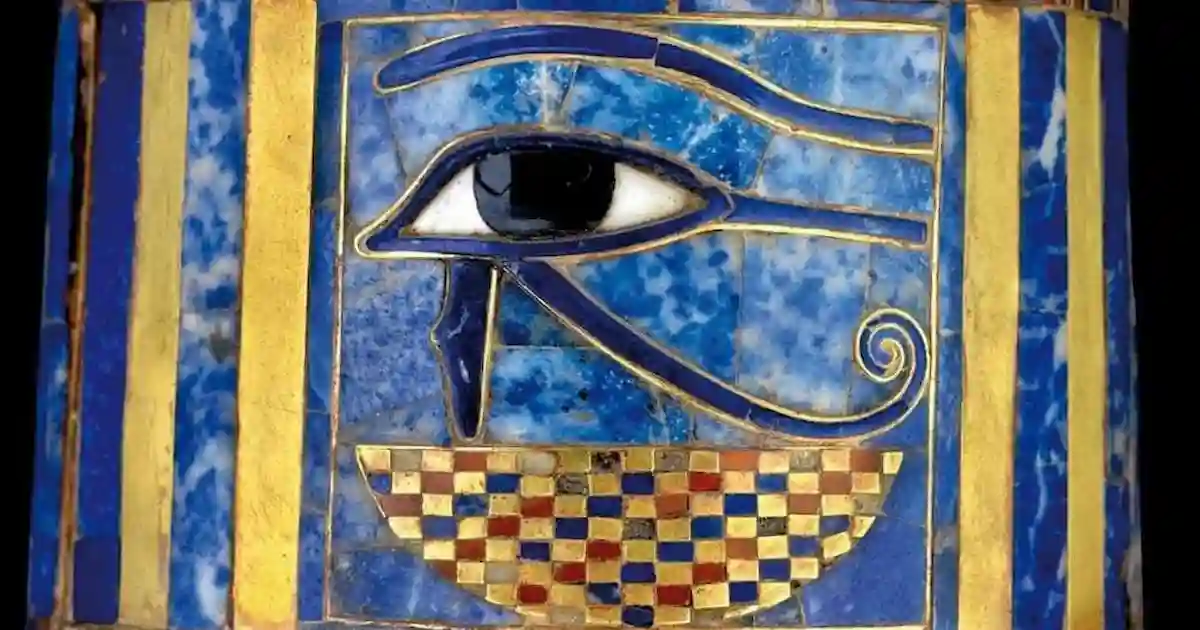
Where to Experience and Buy Authentic Eye of Ra Amulets
Markets, Museums, and Cultural Experiences
Cairo’s markets offer a sensory overload—colors, textures, voices. Among them, you’ll find countless versions of the eye of ra amulet.
But for authenticity, museum shops and curated boutiques are often more reliable.
Experiences like Egypt Day Tours can guide you to trusted locations while adding context to your purchase.
Integrating History into Travel
The best way to appreciate the eye of ra isn’t to buy it—but to understand it first.
Visit temples. Walk through ancient sites. Let the symbol reveal itself in its original setting.
Then, when you finally hold it in your hand, it means something.
Conclusion
The eye of ra amulet is more than a piece of jewelry—it’s a symbol that has survived thousands of years, carrying with it layers of meaning, power, and identity. From ancient temples to modern boutiques, it continues to captivate those who seek something deeper than aesthetics.
For travelers, it offers a rare opportunity—to take a piece of history with you, not just as an object, but as a story. One that connects you to a civilization that still shapes the world today.
Ready to experience it firsthand? Explore Egypt Day Tours and discover the world behind the eye of ra amulet.
FAQ
1. What does the eye of ra amulet symbolize?
It represents protection, power, and the energy of the sun god Ra. Unlike other symbols, it reflects both creation and destruction.
2. Is the Eye of Ra the same as the Eye of Horus?
No. The Eye of Ra symbolizes power and authority, while the Eye of Horus represents healing and protection.
3. Did King Tut possess an amulet eye of ra?
While not as common as other symbols, solar imagery linked to Ra appeared in his tomb, reflecting its importance in royal beliefs.
4. Where can I buy an authentic eye of ra amulet?
Museum shops and trusted boutiques in Egypt are the best options. Egypt Day Tours can help guide you to reliable sources.
5. Is the eye of ra amulet suitable as a luxury gift?
Absolutely. Its symbolism and historical depth make it a meaningful and elegant gift for travelers and collectors alike.