The first time you stand before a wall of ancient carvings in Luxor or walk through the marble ruins of Rome, something shifts. It’s not just the architecture—it’s the people you begin to imagine. Their posture. Their rituals. And above all, their clothing. Ancient Civilization Outfits weren’t just garments; they were identity, status, climate adaptation, and art woven into fabric.
From the flowing linens of Ancient Egypt to the structured elegance of Ancient Rome, Ancient Civilization Outfits tell stories that modern fashion still borrows from today. If you’ve ever been curious about how these styles came to define entire empires—or how you can experience them firsthand—this guide will take you there.
You’ll explore iconic looks, understand their deeper meanings, and even discover how to immerse yourself in these styles through curated travel experiences like Egypt Day Tours.
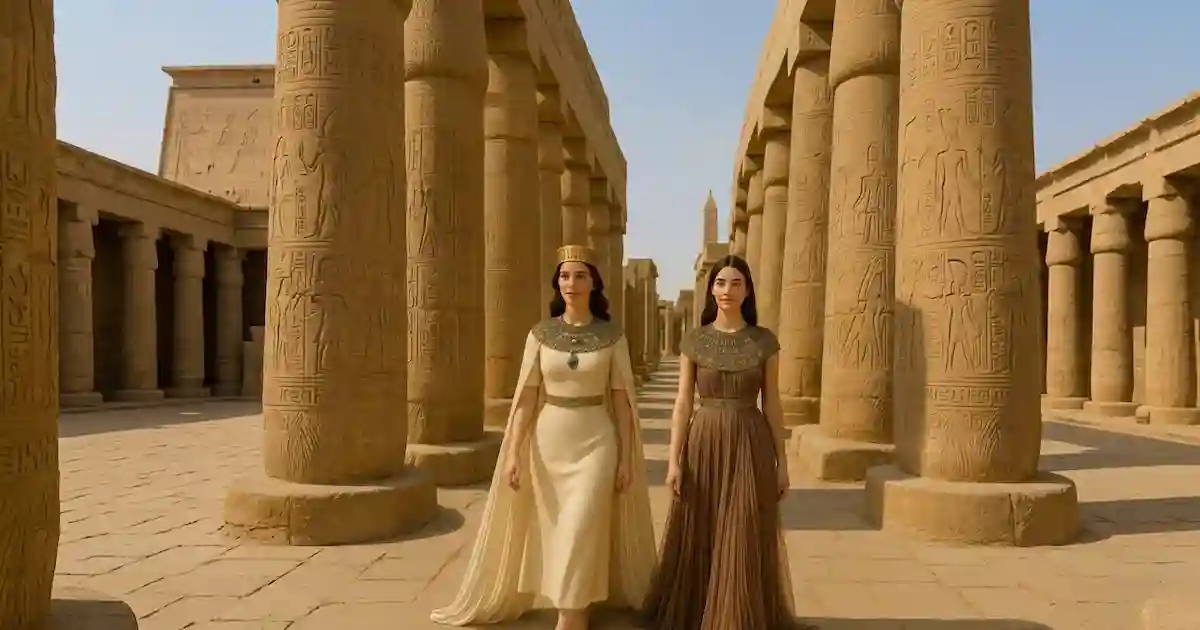
Table of Contents
The Timeless Allure of Ancient Civilization Outfits
Ancient Egyptian Outfits: Elegance in Simplicity
Greek Civilization Outfits: Draped Perfection
Roman Civilization Outfits: Power, Prestige, and Politics
Beyond the Classics: Other Ancient Civilizations’ Outfits
Ancient Civilization Outfits Dress to Impress: Then vs Now
How to Experience Ancient Civilization Outfits Today
FAQ
Conclusion
The Timeless Allure of Ancient Civilization Outfits
There’s a reason Ancient Civilization Outfits continue to fascinate travelers and designers alike. They were never just about aesthetics. Every fold, every color, every accessory carried meaning.
In ancient societies, clothing functioned as a visual language. Without speaking, you could identify someone’s rank, profession, or even religious role. A simple linen tunic in Egypt might signal a laborer, while intricate gold jewelry could mark someone tied to the divine—often connected to beliefs surrounding Ancient Egyptian Gods.
What makes these outfits even more compelling is their timelessness. Strip away the centuries, and many elements still feel modern—minimalist silhouettes, breathable fabrics, and symbolic accessorizing.
Luxury travelers today are drawn to this blend of simplicity and meaning. It’s not just about seeing history. It’s about stepping into it.
Ancient Egyptian Outfits: Elegance in Simplicity
Fabrics, Colors, and Climate Influence
In Ancient Egypt, fashion began with the environment. The Nile’s heat demanded lightweight, breathable materials—linen became the fabric of life.
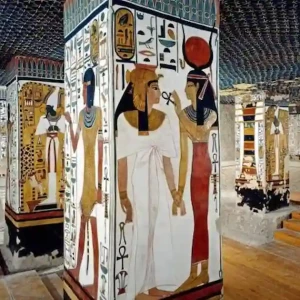
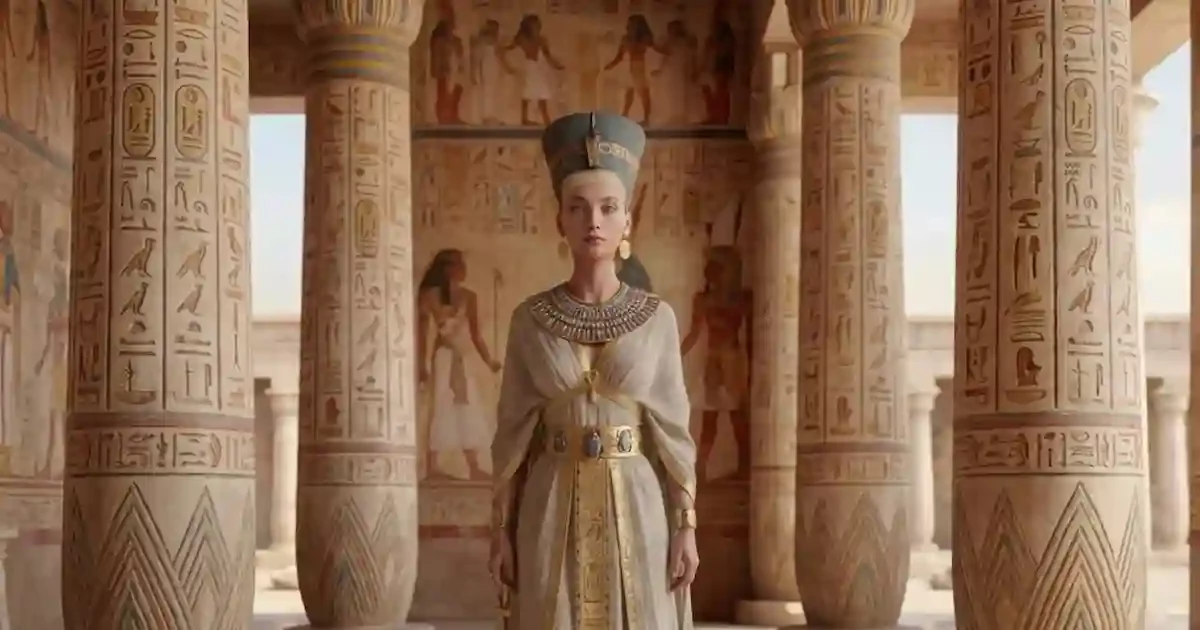
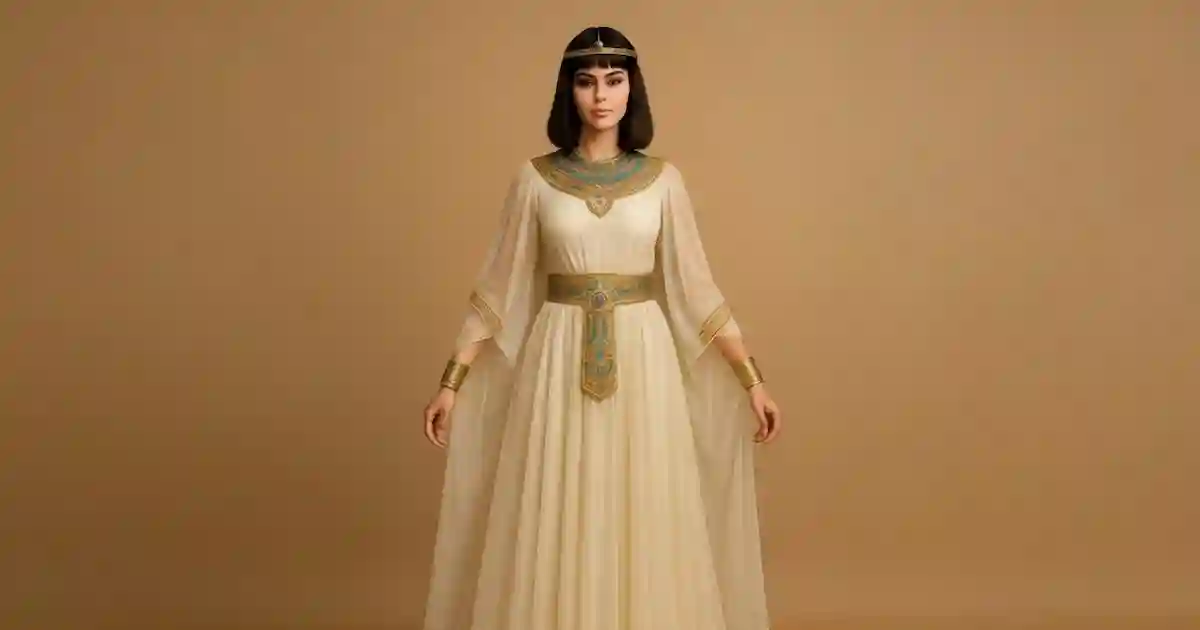
Men typically wore kilts, while women wore fitted dresses that flowed naturally with the body. The color palette leaned heavily on whites and creams, reflecting sunlight and symbolizing purity.
Interestingly, clothing was often minimal. Comfort mattered. But that simplicity created a canvas for something else: accessories.
Symbolism and Social Status in Egyptian Dress
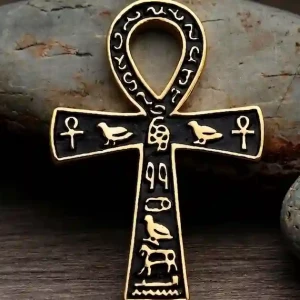
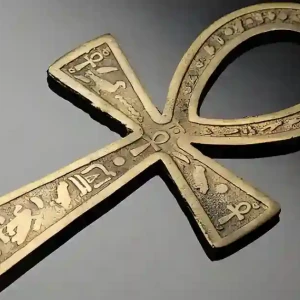
Jewelry was where Ancient Civilization Outfits truly came alive. Gold collars, lapis lazuli amulets, and elaborate headdresses weren’t just decorative—they were protective and symbolic.
Pharaohs and elites used clothing to project divine authority. The more intricate the design, the closer you were perceived to the gods. Even eye makeup—kohl—was part of the outfit, believed to ward off evil.
To understand this world more deeply, exploring resources like UNESCO sites across Egypt adds invaluable context to what these outfits represented in daily life.
Greek Civilization Outfits: Draped Perfection
The Chiton, Himation, and Peplos Explained
In Ancient Greece, clothing became an art of draping. Unlike tailored garments, Greek outfits relied on fabric arrangement.
The chiton served as a basic tunic. The himation, a cloak, added elegance. The peplos, worn by women, introduced structure through folding and pinning.
These garments weren’t sewn into shape—they were styled into it.
Fashion as Philosophy and Identity
Greek fashion reflected their worldview: balance, harmony, and proportion. Even clothing echoed their architectural principles.
There was also a democratic element. While materials varied in quality, the basic forms remained similar across classes. It was a subtle but powerful statement about identity and belonging.
Modern designers frequently revisit these silhouettes. Flowing gowns on luxury runways often trace their lineage back to Greek drapery.
Roman Civilization Outfits: Power, Prestige, and Politics
The Toga and Tunic System
In Ancient Rome, clothing became political. The toga wasn’t just an outfit—it was a symbol of citizenship.
Only Roman citizens could wear it. And even then, the style and color varied based on rank. Senators wore togas with purple stripes. Generals donned richly decorated versions during triumphs.
Underneath, the tunic provided practicality. Over it, the toga projected power.
Dressing for Status in the Roman Empire
Roman fashion was deeply hierarchical. Every detail mattered. Footwear, jewelry, even fabric quality signaled your place in society.
This level of visual distinction made Roman outfits one of the most structured in ancient history. They weren’t fluid like Greek styles or minimal like Egyptian ones—they were deliberate.
To explore more, sources like Wikipedia provide detailed breakdowns of Roman dress codes and their evolution.
Beyond the Classics: Other Ancient Civilizations’ Outfits
Mesopotamian Styles and Textiles
In Mesopotamia, garments were often made from wool. Layered skirts and shawls dominated, offering both warmth and status display.
Fringes and embroidery added texture, signaling craftsmanship and wealth.
Persian Royal Attire
Ancient Persia introduced a more structured approach—trousers, fitted coats, and elaborate patterns.
Royal attire emphasized grandeur. Rich dyes, intricate patterns, and luxurious fabrics set Persian fashion apart, influencing neighboring cultures significantly.
These lesser-discussed ancient civilizations outfits add depth to the global fashion narrative—proving style wasn’t limited to the Mediterranean.
Ancient Civilization Outfits Dress to Impress: Then vs Now
Modern Interpretations in Luxury Travel
Today, Ancient Civilization Outfits are no longer confined to museums. High-end travel experiences recreate them in immersive ways.
Private tours, themed dinners, and cultural performances allow travelers to wear or witness these styles firsthand. It’s not costume—it’s storytelling.
Luxury resorts across Egypt and the Mediterranean often incorporate historical fashion into curated experiences.
Cultural Experiences and Immersive Tourism
Imagine walking through a temple at sunset wearing a linen garment inspired by pharaonic times. Or attending a Roman-themed evening in a restored villa.
These experiences transform passive sightseeing into active participation. They answer a deeper desire: not just to see history, but to feel it.
This is where ancient civilization outfits dress to impress takes on a modern meaning—elegance with context.
How to Experience Ancient Civilization Outfits Today
Museums, Cultural Tours, and Reenactments
Museums remain the best starting point. Institutions like the Egyptian Museum in Cairo house original garments and accessories.
But to go beyond observation, curated experiences matter. Egypt Day Tours offer opportunities to connect clothing with the landscapes and stories they belong to.
Historical reenactments, though niche, bring these outfits to life in motion.
Styling Inspiration for Travelers
You don’t need a full costume to channel ancient style. Think breathable fabrics, neutral tones, and statement accessories.
A linen dress. A structured wrap. Gold accents. Suddenly, you’re not just visiting a destination—you’re aligning with its history.
This subtle approach resonates especially with luxury travelers who value authenticity over spectacle.
Conclusion
Ancient Civilization Outfits are more than historical artifacts—they are expressions of identity, climate, belief, and power. From the refined simplicity of Egypt to the structured symbolism of Rome, each style tells a story worth experiencing.
For modern travelers, these outfits offer a unique lens into the past—one that feels personal, immersive, and unforgettable. Whether you’re exploring temples, museums, or curated tours, you’re stepping into a living narrative.
Ready to experience it yourself? Discover tailored journeys through Egypt Day Tours and bring Ancient Civilization Outfits to life in the most authentic way possible.
FAQ
1. What are Ancient Civilization Outfits?
Ancient Civilization Outfits refer to traditional clothing worn in early societies like Egypt, Greece, and Rome. They reflect climate, culture, and social hierarchy.
2. Why were ancient outfits so simple?
In places like Egypt, simplicity was practical due to heat. Lightweight fabrics like linen kept people cool while allowing freedom of movement.
3. Can tourists experience these outfits today?
Yes. Many cultural tours and experiences—especially Egypt Day Tours—offer immersive activities where you can explore ancient fashion traditions.
4. What materials were used in ancient civilizations outfits?
Common materials included linen in Egypt, wool in Mesopotamia, and layered fabrics in Rome and Greece.
5. Are ancient civilization outfits still influencing fashion today?
Absolutely. Modern designers frequently draw inspiration from draping techniques, silhouettes, and accessories seen in ancient civilizations.