Al Hussein Mosque - History, Architecture and Visitor Guide
The first thing you notice when approaching Al Hussein Mosque is not just its architecture—it’s the atmosphere. The air hums with life, prayer, and centuries of devotion. Nestled in the heart of Cairo, the Al Hussein Mosque draws you in with a quiet magnetism that feels both deeply spiritual and unmistakably Egyptian.
Whether you call it al hussein mosque, al emam el hussein mosque, or simply one of Cairo’s most sacred landmarks, this place carries a story that stretches across centuries. For travelers seeking more than just sights—those craving meaning, culture, and connection—the Al Hussein Mosque in Cairo offers something unforgettable.
This guide will walk you through everything: the history, the architecture, practical visiting tips, and the hidden nuances that transform a simple visit into a deeply enriching experience. If you're planning your journey, pairing this visit with curated Egypt Day Tours or tailored cairo day tours can elevate the experience even further.
TABLE OF CONTENTS
The Story Behind Al Hussein Mosque
The Sacred Legacy of Imam Hussein
The Mosque’s Role in Islamic Cairo
Architecture and Design of Al Hussein Mosque
Exterior Features and Materials
Interior Details and Spiritual Atmosphere
Exploring Al Hussein Mosque in Cairo Today
What to Expect When You Visit
Cultural Etiquette and Dress Code
Best Time to Visit Al Hussein Mosque
Seasonal Insights and Weather
Visiting During Religious Events
How to Get There and Nearby Attractions
Location in Khan El Khalili
What to See Around the Mosque
Practical Visitor Information and Tips
Opening Hours and Entry
Photography and Safety Advice
FAQ
Conclusion
The Story Behind Al Hussein Mosque
The Sacred Legacy of Imam Hussein
At the heart of Al Hussein Mosque lies a story rooted in reverence and emotion. The mosque is believed to house the head of Hussein ibn Ali, the grandson of the Prophet Muhammad. His legacy is deeply tied to the Battle of Karbala—a defining moment in Islamic history that still resonates today.
For many visitors, this transforms the mosque from a historical monument into a place of living memory. You’ll notice worshippers entering with quiet humility, some pausing in reflection, others offering prayers with visible emotion. Even as a traveler, you can feel that weight—the kind that transcends language and culture.
The Mosque’s Role in Islamic Cairo
Built during the Fatimid era, the mosque became a cornerstone of what we now call Islamic Cairo. Over centuries, it has been rebuilt, restored, and expanded, yet its spiritual importance has never wavered.
Today, it stands not only as a place of worship but as a symbol of Cairo’s layered identity—where faith, history, and daily life intertwine seamlessly.
Architecture and Design of Al Hussein Mosque
Exterior Features and Materials
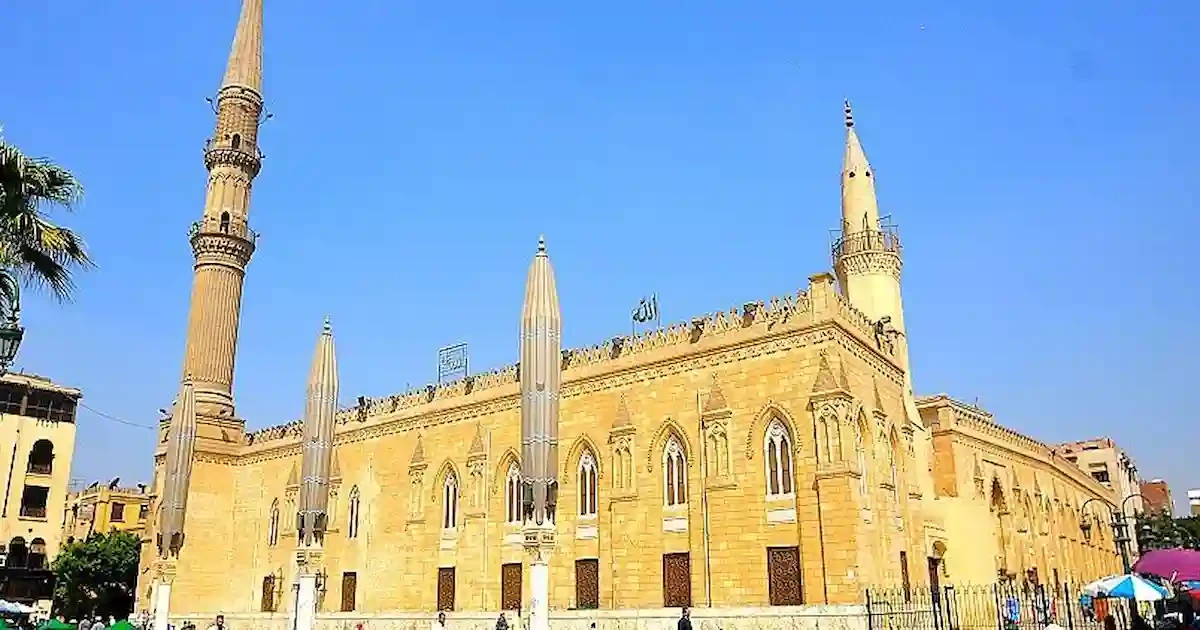
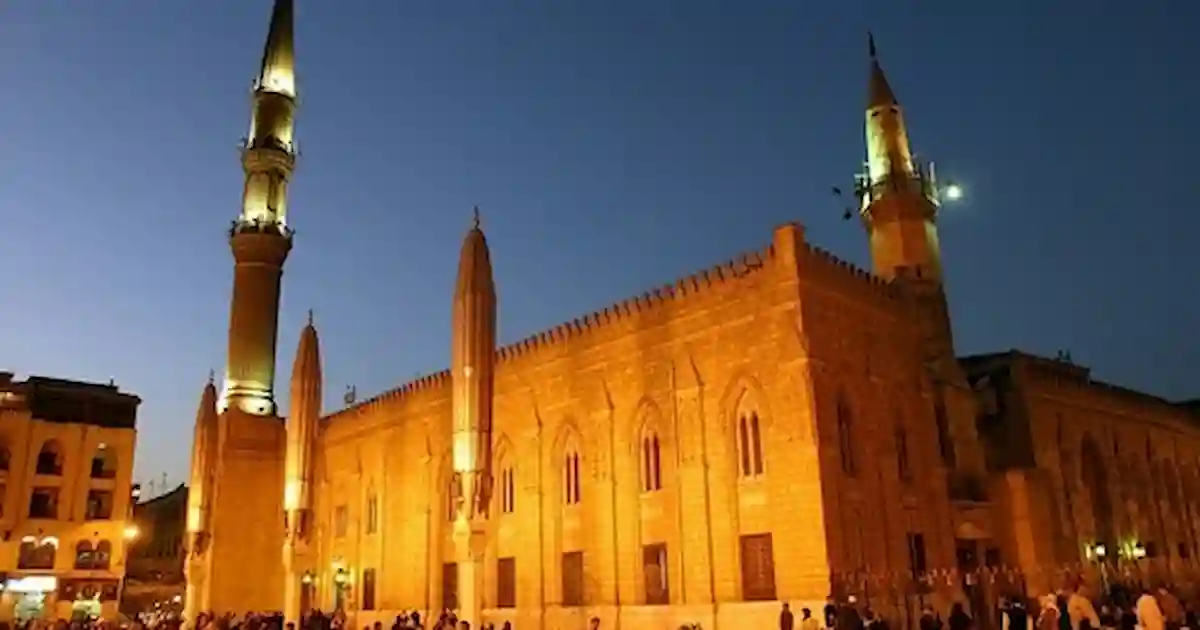
From the outside, Al Hussein Mosque in Cairo presents a striking yet harmonious façade. Unlike some of Cairo’s more ornate mosques, its beauty lies in balance. The white stone walls reflect sunlight softly, while the minarets rise with quiet elegance.
The current structure reflects 19th-century renovations, blending Ottoman influences with traditional Islamic design. The entrance, framed by arches, feels welcoming rather than imposing—an invitation rather than a statement.
Interior Details and Spiritual Atmosphere
Step inside, and the tone shifts. The light softens. The noise of the bustling streets fades. Rich carpets stretch across the prayer hall, and intricate chandeliers hang above, casting warm, golden light.
The shrine area—believed to hold Imam Hussein’s relic—is particularly striking. While access may be restricted, the energy around it is palpable. This is where architecture meets devotion.
For deeper historical context, resources like UNESCO provide valuable insights into Cairo’s Islamic heritage
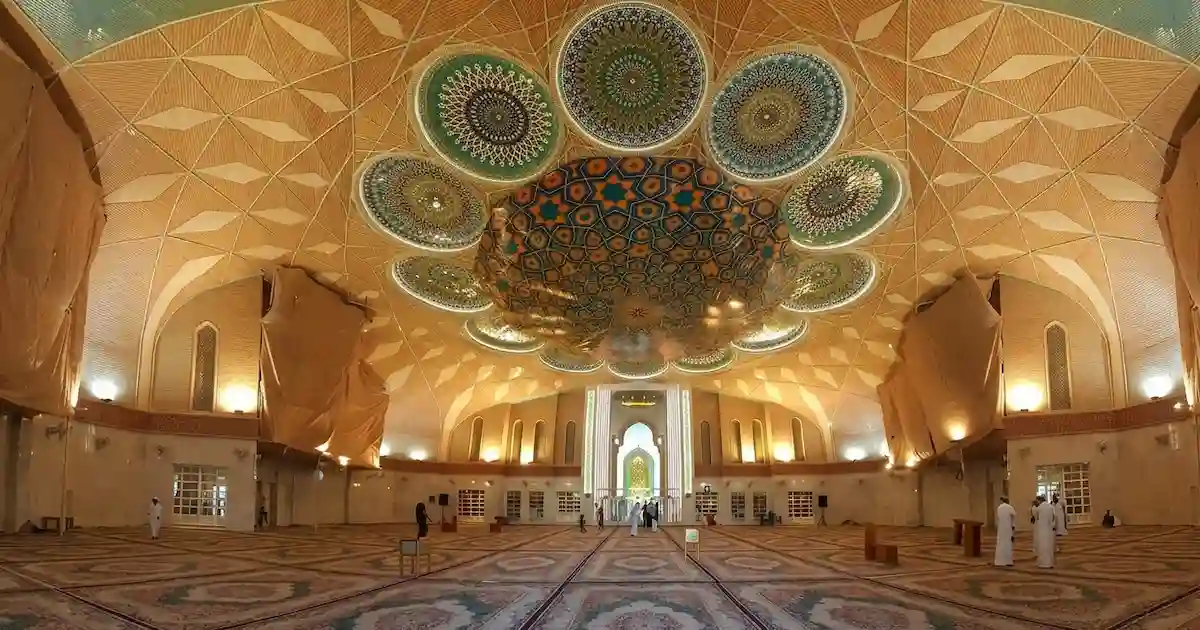
.
Exploring Al Hussein Mosque in Cairo Today
What to Expect When You Visit
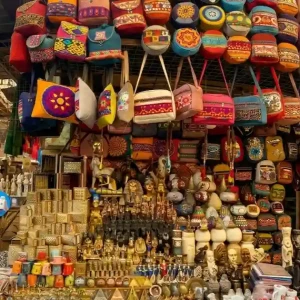
Visiting Al Hussein Egypt today is both simple and profound. You’ll likely approach through the lively lanes of Khan El Khalili, where the scent of spices and the sound of bargaining fill the air.
Then suddenly—calm. The mosque opens up before you, offering a stark contrast to the surrounding chaos. Inside, visitors are welcome outside prayer times, though respectful behavior is essential.
Cultural Etiquette and Dress Code
Dress modestly. For men, long trousers and covered shoulders. For women, a scarf is recommended, especially when entering prayer areas.
More importantly, observe before acting. Watch how locals move, where they stand, how they interact. It’s the easiest way to blend in respectfully and truly experience the space.
Best Time to Visit Al Hussein Mosque
Seasonal Insights and Weather
Cairo’s climate plays a significant role in your experience. Winter months—from November to February—offer the most comfortable temperatures. Early mornings and late afternoons are ideal for avoiding crowds and heat.
Summer visits are still possible but require planning. Aim for early morning and stay hydrated.
Visiting During Religious Events
During Ramadan, the mosque transforms. Lanterns glow, prayers extend late into the night, and the surrounding area becomes vibrant with communal spirit.
It’s an extraordinary time to visit—but also the busiest. Expect crowds, but also an unmatched cultural immersion.
How to Get There and Nearby Attractions
Location in Khan El Khalili
The mosque sits at the edge of Khan El Khalili, one of Cairo’s most famous districts. It’s easily accessible by taxi or private guide, and often included in curated itineraries.
What to See Around the Mosque
Within walking distance, you’ll find landmarks like Al Azhar Mosque and traditional cafés like El Fishawy Cafe.
Spend time wandering. The real magic of this area isn’t just in its monuments—it’s in the details. A craftsman shaping metal. A call to prayer echoing through narrow alleys. A quiet moment over mint tea.
Practical Visitor Information and Tips
Opening Hours and Entry
Al Hussein Mosque opening hours vary slightly, but generally align with daily prayer schedules. Visitors are welcome outside peak prayer times, and entry is free.
It’s always wise to check locally, especially during religious holidays.
Photography and Safety Advice
Photography is allowed in most areas, but always ask before photographing people. Inside the mosque, be discreet.
Cairo is generally safe in this area, especially during the day. Still, like any busy destination, keep an eye on your belongings.
Conclusion
Al Hussein Mosque is more than a landmark—it’s an experience layered with history, faith, and everyday life. From its sacred origins to its role in modern Cairo, it offers a rare glimpse into the soul of the city.
Take your time here. Sit quietly. Observe. Let the atmosphere unfold naturally.
If you’re planning your journey, consider combining your visit with expertly curated cairo day tours to explore the wider treasures of Islamic Cairo. Visiting Al Hussein Mosque isn’t just about seeing—it’s about understanding.
Al Hussein Mosque - FAQ
Where is Al Hussein Mosque located?
It’s located in Islamic Cairo, near Khan El Khalili market. Most cairo day tours include it as a key stop.
What are Al Hussein Mosque opening hours?
The mosque is open daily, generally outside prayer times. Hours may vary during Ramadan and religious holidays.
Is Al Hussein Mosque free to enter?
Yes, entry is free for visitors, though respectful dress and behavior are required.
Can tourists enter Al Hussein Mosque?
Yes, non-Muslim visitors can enter certain areas outside prayer times.
What should I wear when visiting?
Modest clothing is essential. Women should carry a scarf, and both men and women should cover shoulders and legs.