Al Azhar Mosque - History, Architecture and Guide
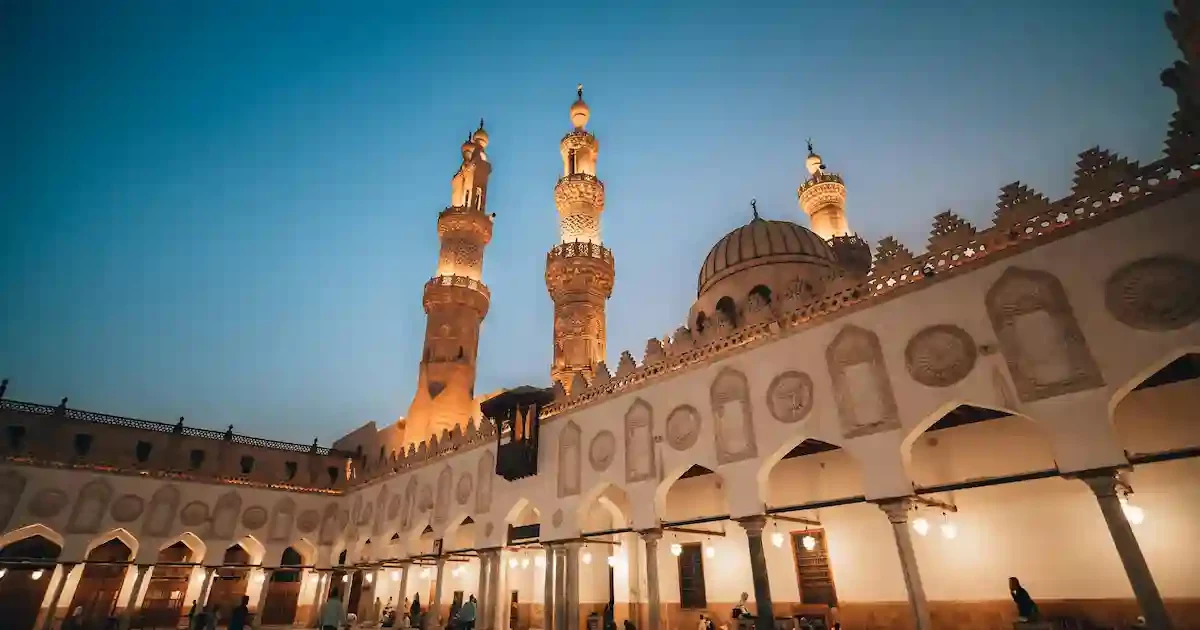
The first time you step into Al Azhar Mosque, the noise of Cairo seems to fade behind its ancient walls. The air feels different here—quieter, cooler, layered with centuries of devotion and scholarship. Located in the heart of Islamic Cairo, Al Azhar Mosque Cairo stands as one of the most important religious and cultural landmarks in Egypt.
More than just a place of prayer, Al Azhar Mosque Egypt is a living institution—one that has shaped Islamic thought for over a thousand years. This guide will take you through its fascinating history, breathtaking architecture, and everything you need to know before visiting.
If you're planning your journey, explore curated experiences through Egypt Day Tours or discover immersive city itineraries via Cairo Day Tours.
The Story Behind Al Azhar Mosque: A Living Legacy
The Founding of Al Azhar Mosque
Built in 970 AD during the Fatimid Caliphate, al-azhar mosque was originally established as a center for spreading Ismaili Shi’a teachings. The mosque takes its name from Fatima al-Zahra, the daughter of the Prophet Muhammad, symbolizing purity and enlightenment.
Over the centuries, rulers came and went, but Al Azhar endured. It transitioned from a Fatimid institution to a Sunni stronghold, reflecting Egypt’s shifting religious and political landscape.
What makes this place extraordinary is not just its age—but its continuity. While many historic sites are preserved as relics, Al Azhar is still very much alive.
Its Role in Islamic Education
By the 11th century, Al Azhar had evolved into one of the world’s oldest universities. Scholars gathered here to teach theology, law, grammar, and philosophy. Students came from across the Islamic world—North Africa, Asia, and beyond.
Today, Al Azhar University remains a leading authority in Sunni Islamic scholarship. Its influence stretches far beyond Egypt, shaping religious discourse globally.
For deeper historical context, you can explore: Wikipedia
Architectural Brilliance of Al Azhar Mosque Cairo
Evolution of Design Across Dynasties
Walking through al azhar mosque cairo egypt, you’re essentially walking through a timeline of Islamic architecture. Each dynasty left its mark—the Fatimids, Ayyubids, Mamluks, and Ottomans all contributed to its evolving design.
Unlike many mosques built in a single era, Al Azhar is layered. Arches from one century sit beside minarets from another. The result is a harmonious blend of styles that somehow feels intentional, not fragmented.
Key Architectural Highlights
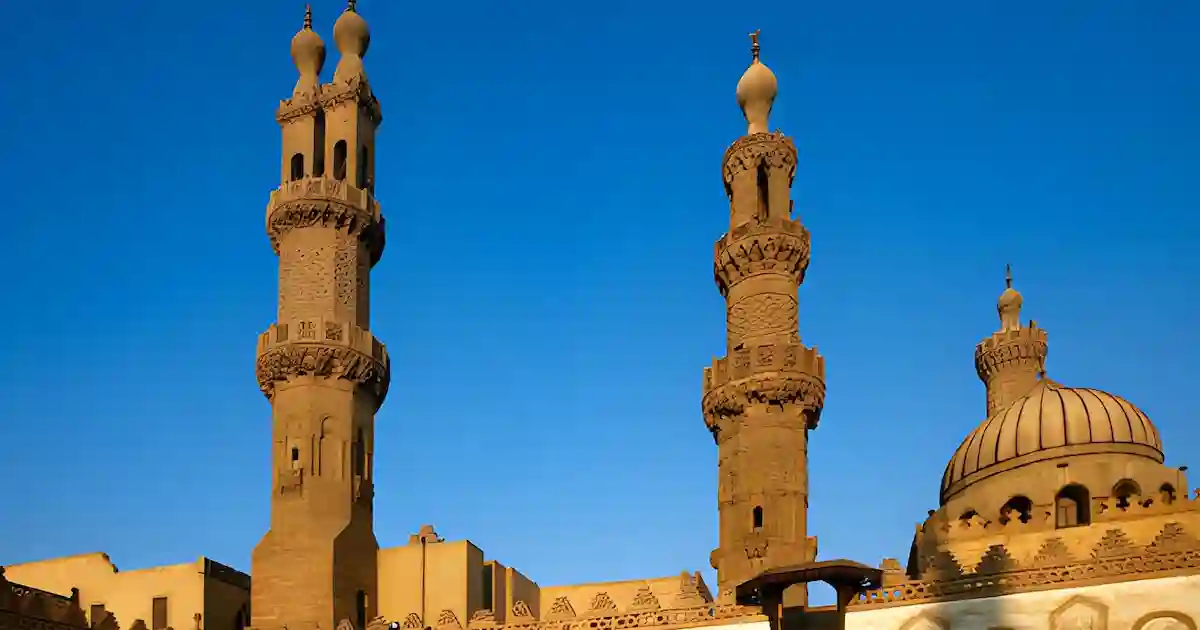
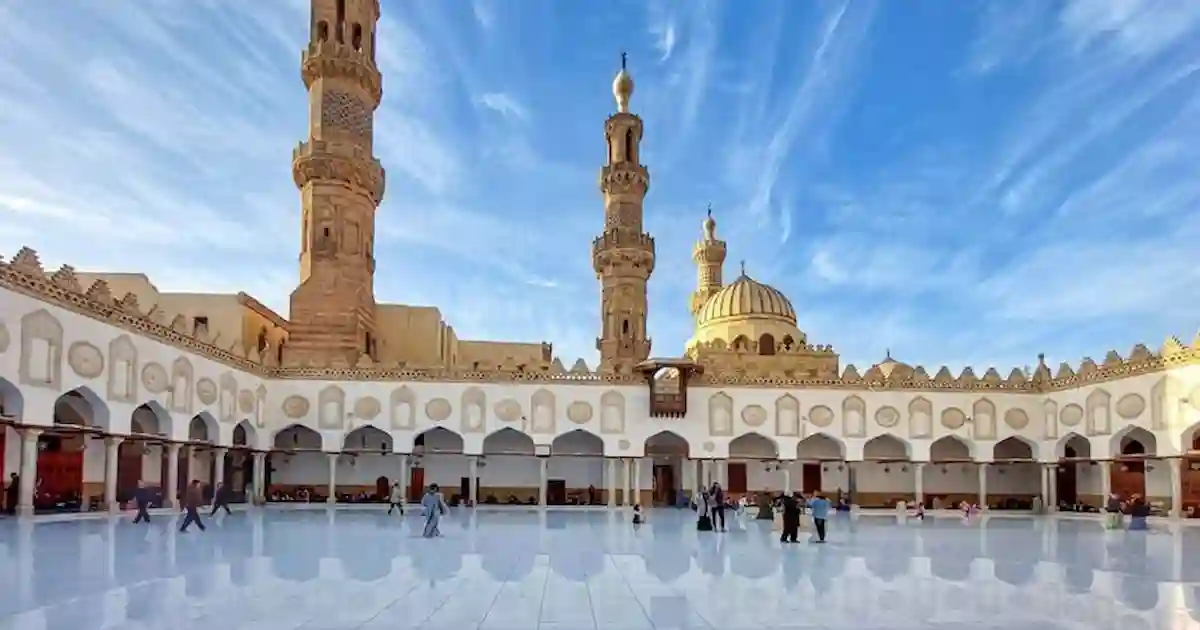
The mosque’s five minarets are among its most recognizable features. Each one reflects the style of the period in which it was built, creating a visual dialogue across centuries.
The central courtyard—paved in white marble—is both serene and luminous. Sunlight reflects off the stone, creating a peaceful atmosphere that feels almost otherworldly.
Look closer, and you’ll notice intricate calligraphy, geometric patterns, and carved wooden details. These aren’t just decorations—they’re expressions of devotion, precision, and artistic mastery.
Cultural and Religious Significance of Al Azhar Mosque Egypt
A Center of Sunni Islamic Learning
Today, al azhar mosque egypt is synonymous with Islamic scholarship. Its affiliated university attracts students from over 100 countries, making it one of the most influential institutions in the Muslim world.
Religious rulings issued from Al Azhar carry global weight. Scholars trained here often go on to become leaders in their communities, spreading knowledge rooted in tradition and moderation.
Influence on Cairo and the Islamic World
Beyond academia, Al Azhar plays a central role in Cairo’s identity. It anchors the historic district of Islamic Cairo, surrounded by bustling markets, ancient streets, and centuries-old buildings.
The mosque is not isolated—it’s woven into daily life. Worshippers, students, and visitors move through its spaces continuously, creating a unique blend of spirituality and vibrancy.
For UNESCO insights into Islamic Cairo.
Exploring Al Azhar Mosque Cairo Egypt: What to See
The Courtyard and Prayer Hall
The heart of cairo mosque al azhar is its expansive courtyard. Step inside, and the city disappears. The symmetry, the light, the quiet—it all invites you to slow down.
The prayer hall, with its forest of columns, feels intimate despite its size. This is where centuries of prayers have echoed, creating an atmosphere that’s hard to describe but easy to feel.
Minarets and Decorative Details
Don’t miss the minarets. Each one tells a story—different shapes, different eras, different rulers.
Look up, and you’ll see beautifully carved balconies. Look closer, and you’ll find inscriptions and patterns that reward attention to detail.
This is not a place to rush. Take your time. Sit. Observe. Let the space reveal itself gradually.
Visiting Al Azhar Mosque: Practical Travel Guide
Opening Hours and Entry Rules
Al Azhar Mosque is generally open to visitors outside prayer times. Entry is free, but donations are appreciated.
Early mornings and late afternoons are the best times to visit. The light is softer, and the atmosphere is calmer.
For a more structured experience, consider joining Cairo Day Tours where expert guides provide historical context you might otherwise miss.
Dress Code and Etiquette
Modest dress is essential. Women should cover their hair, arms, and legs. Men should avoid shorts.
Shoes must be removed before entering prayer areas. Photography is usually allowed, but always be respectful—especially during prayer times.
Silence isn’t required, but quiet appreciation is encouraged.
Best Things to Do Around Cairo Mosque Al Azhar
Nearby Attractions
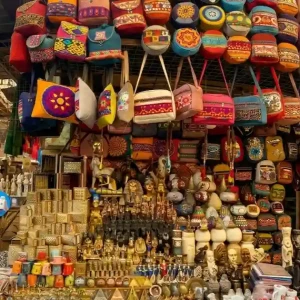
Just steps away from al azhar mosque cairo, you’ll find Khan El Khalili Bazaar—one of the oldest markets in the Middle East. It’s a sensory overload in the best way: spices, perfumes, textiles, and handcrafted souvenirs.
Al Hussein Mosque is also nearby, adding another layer to your cultural exploration.
To experience these highlights seamlessly, many travelers opt for curated routes through Egypt Day Tours .
Local Experiences and Hidden Gems
Wander the narrow streets surrounding the mosque. You’ll find traditional cafés, historic schools, and hidden architectural treasures.
Stop for mint tea. Watch daily life unfold. This is where Cairo feels most authentic.
Luxury travelers may prefer guided experiences that combine history with comfort—private transfers, expert guides, and curated stops that go beyond the obvious.
Conclusion
Al Azhar Mosque is more than a historic landmark—it’s a living symbol of faith, knowledge, and continuity. From its rich history to its layered architecture, every corner tells a story worth discovering.
Whether you visit for its spiritual significance or architectural beauty, the experience stays with you long after you leave. Plan your visit through trusted experiences like Cairo Day Tours and step into one of the most meaningful places in Egypt—Al Azhar Mosque.
Al Azhar Mosque - FAQ
What is Al Azhar Mosque famous for?
Al Azhar Mosque is known as one of the oldest universities in the world and a leading center of Islamic learning. It holds deep religious and cultural significance in Egypt.
Is Al Azhar Mosque open to tourists?
Yes, visitors are welcome outside prayer times. Guided experiences through Cairo Day Tours can enhance your visit.
What should I wear to Al Azhar Mosque?
Modest clothing is required. Women should cover their hair and wear long sleeves, while men should avoid shorts.
How much time do you need to visit Al Azhar Mosque?
Most visitors spend 1–2 hours exploring the mosque and its surroundings. Pairing it with nearby attractions is highly recommended.
What is near Al Azhar Mosque?
Nearby highlights include Khan El Khalili Bazaar and Al Hussein Mosque. You can explore them easily through organized Egypt Day Tours.