Wadi El Gemal National Park
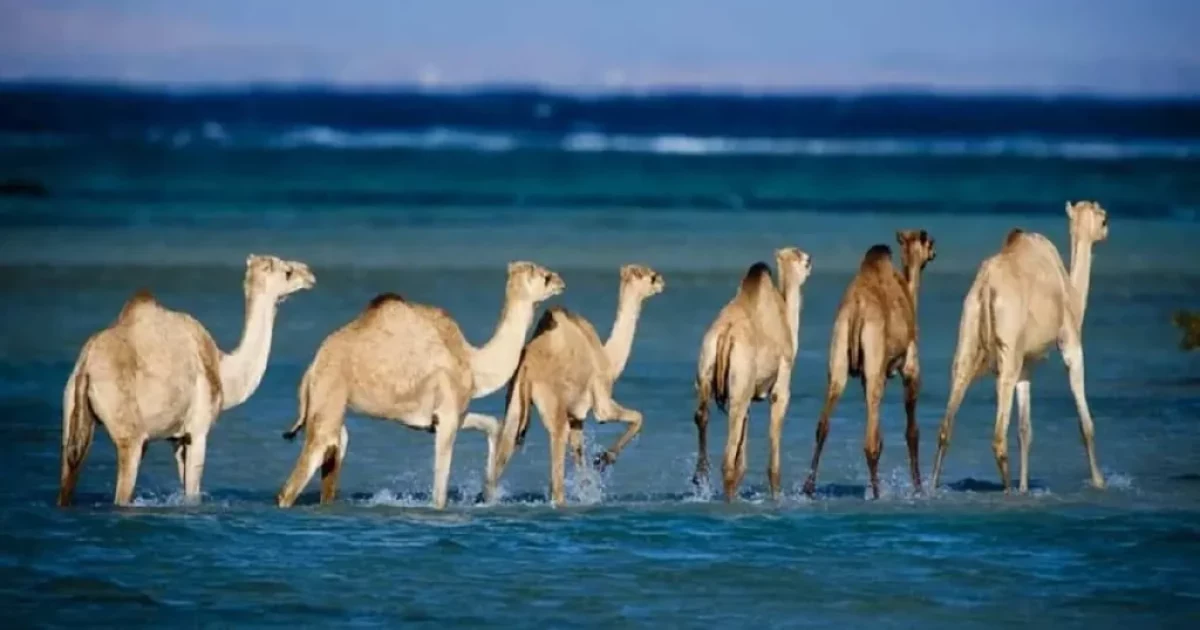
Table of Contents
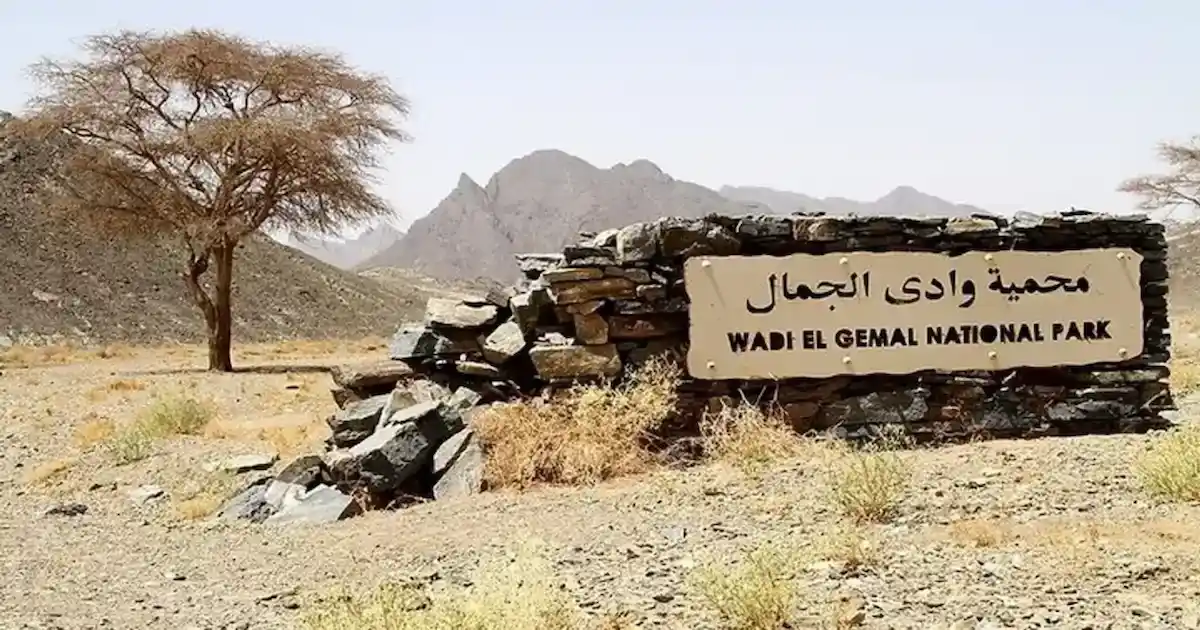
Welcome to Wadi El Gemal National Park, one of Egypt’s most stunning natural reserves — where the golden sands of the Eastern Desert meet the turquoise waters of the Red Sea.
Located just south of Marsa Alam, Wadi El Gemal (meaning “Valley of the Camels”) is a protected area covering both desert and marine ecosystems. It’s a sanctuary for rare wildlife, coral reefs, and ancient archaeological sites that date back thousands of years.
For travelers who crave adventure, serenity, and authenticity, Wadi El Gemal Marsa Alam is a must-visit destination.
Wadi El Gemal National Park Quick Facts
FeatureDetailsLocation45 km south of Marsa Alam, Red Sea, EgyptAreaOver 7,450 sq km (land + marine zones)
eeaa.gov.egEstablished2003Main AttractionsDesert safari, snorkeling, Bedouin culture, wildlife watchingOpening HoursDaily 8:00 AM – SunsetEntry Fee~150 EGP per person (varies by tour)Best Time to VisitOctober – MayAccess45 min by car from Marsa Alam or 2.5 hrs from Marsa Alam AirportRecommended ToursMarsa Alam Day Tours / Luxury Egypt Tours
The Story Behind Wadi El Gemal
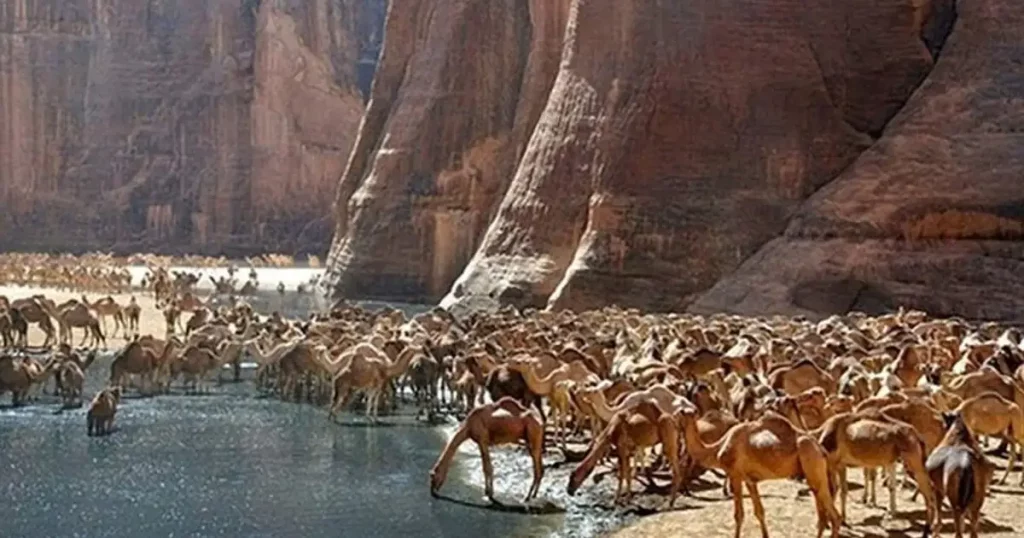
“Wadi El Gemal” translates to “Valley of the Camels,” named after the herds that once traveled through its canyons.
Today, it’s recognized as one of Egypt’s most ecologically diverse parks — combining mountain ranges, wadis, mangroves, coral reefs, and archaeological ruins in one breathtaking region.
Camels and coral reefs at Wadi El Gemal National Park Marsa Alam
The park’s vastness includes both terrestrial and marine zones, covering a total of over 7,000 square kilometers. It stretches from Hamata in the south to Marsa Alam in the north, and out into the Red Sea, encompassing islands, coral reefs, and seagrass beds.
Wadi El Gemal National Park – What to See and Do
1. Explore the Desert Safari Trails
The desert section of Wadi El Gemal National Park is a world of rugged mountains, acacia trees, and shimmering sand plains.
Safari tours often include:
4×4 off-road adventures through scenic canyons
Camel rides guided by local Bedouins
Sunset photography over the desert plateau
Visits to ancient emerald mines and Roman ruins
The silence and vastness of the desert offer a rare connection with nature and history.
2. Marine Life and Snorkeling in Wadi El Gemal Marsa Alam
The marine area of Wadi El Gemal Marsa Alam is just as fascinating as its desert counterpart.
Coral Reefs and Islands
Off the coast lie several coral islands, including Wadi El Gemal Island, a nesting ground for sea turtles and sea birds.
Snorkelers and divers can explore:
Healthy coral reefs full of clownfish, lionfish, and moray eels
Seagrass meadows that attract turtles and dugongs
Crystal-clear lagoons ideal for swimming and kayaking
Camels and coral reefs at Wadi El Gemal National Park Marsa Alam
Many Marsa Alam Day Tours include snorkeling excursions inside the park’s marine reserve.
3. The Emerald Mines and Roman Ruins
Deep in the mountains of Wadi El Gemal lie the Sikait and Umm Kabu emerald mines, once controlled by the ancient Romans.
These sites were among the first emerald sources in history, supplying gems to Cleopatra and the Roman elite.
Exploring these ruins gives visitors a tangible link to Egypt’s rich, lesser-known past beyond the Nile Valley.
4. Meet the Ababda Bedouin Tribes
Wadi El Gemal National Park is home to the Ababda Bedouin, one of Egypt’s oldest desert tribes.
Visiting their settlements allows travelers to experience:
Traditional coffee and hospitality rituals
Local crafts made from leather and palm fronds
Insight into desert survival skills and camel herding traditions
The Ababda people play a crucial role in protecting the park’s natural balance and cultural heritage.
Wildlife in Wadi El Gemal
The park shelters an incredible range of desert and marine species, including:
Dorcas gazelles and ibex
Desert foxes and hares
Over 100 species of birds (some endemic)
Marine turtles, dugongs, and bottlenose dolphins offshore
The mangrove forests along the coast provide breeding grounds for fish and migratory birds, making it a paradise for eco-travelers and photographers.
Wadi El Gemal Island – The Hidden Gem
Among the highlights of the park is Wadi El Gemal Island, located just a short boat ride from the coast.
It’s a pristine, uninhabited island with powder-white beaches and shallow turquoise water, perfect for snorkeling, kayaking, or just relaxing in untouched nature.
Tours to the island usually include a snorkeling stop, lunch on the beach, and time to explore the island’s coastal wildlife.
Conservation and Sustainable Tourism
As an official protected area, Wadi El Gemal National Park is managed by Egypt’s Environmental Affairs Agency to maintain its fragile ecosystems.
Visitor Guidelines
Use eco-friendly sunscreen
Avoid touching coral or feeding wildlife
Take your waste with you
Respect Bedouin customs and privacy
These rules ensure that Wadi El Gemal Marsa Alam remains a pristine destination for future generations.
Where to Stay Near Wadi El Gemal
While there are no large hotels inside the park itself, nearby eco-lodges and beach resorts provide comfortable accommodation close to nature.
Recommended Stays
Shams Alam Beach Resort – closest to the park entrance
Gorgonia Beach Resort – luxury stay with direct beach access
Wadi Lahami Eco Lodge – perfect for divers and nature enthusiasts
Each offers guided access to the park and the Red Sea’s stunning reefs.
How to Get to Wadi El Gemal
From Marsa Alam: 45-minute drive south via the coastal highway
From Hurghada: 5–6 hours by car
From Cairo: Domestic flight to Marsa Alam Airport, then 2.5-hour drive
You can join an organized Marsa Alam Day Tour or hire a private 4×4 with a licensed guide.
Best Time to Visit Wadi El Gemal National Park
The best months to visit are October through May, when temperatures are moderate (25–30°C) and the desert blooms with wildflowers after rare rainfall.
Avoid midsummer (June–August) if you’re not used to high desert heat.
Combine Your Trip – Nearby Attractions
Make the most of your trip by combining Wadi El Gemal National Park with:
Abu Dabbab Bay – Turtle snorkeling paradise
Dolphin House Reef – Swim with spinner dolphins
El Qulan Mangrove Forest – Stunning eco-habitat at the edge of the sea
Each of these is part of the ultimate Things to Do in Marsa Alam list and can be arranged through Luxury Egypt Tours.
FAQs – Wadi El Gemal National Park Marsa Alam
Q1. What makes Wadi El Gemal special?
Its mix of desert, sea, wildlife, and archaeology — all in one park.
Q2. Can I snorkel in Wadi El Gemal?
Yes, several areas within the marine section are perfect for snorkeling and turtle watching.
Q3. Are there any hotels inside the park?
No, but several eco-lodges nearby offer easy access.
Q4. Do I need a guide?
A local guide is highly recommended to explore safely and learn about wildlife and culture.
Q5. Is Wadi El Gemal suitable for families?
Yes, families love it for its wildlife, beaches, and easy day tours.
Q6. Can I visit independently?
Yes, but joining a Marsa Alam Day Tour ensures you don’t miss hidden sites and includes entry fees.
Why Visit Wadi El Gemal National Park
Wadi El Gemal Marsa Alam offers one of Egypt’s most unique experiences — a meeting point of sea, sand, and culture unlike anywhere else on the Red Sea coast.
Whether you’re exploring ancient emerald mines, snorkeling among coral reefs, or enjoying Bedouin tea under the stars, the park reveals Egypt’s natural beauty beyond its famous temples.
When planning your Things to Do in Marsa Alam or Things to Do in Egypt, make sure Wadi El Gemal National Park is on your list — it’s the true heart of Egypt’s wilderness.