Hatshepsut Temple – Explore Luxor’s Stunning Mortuary Temple
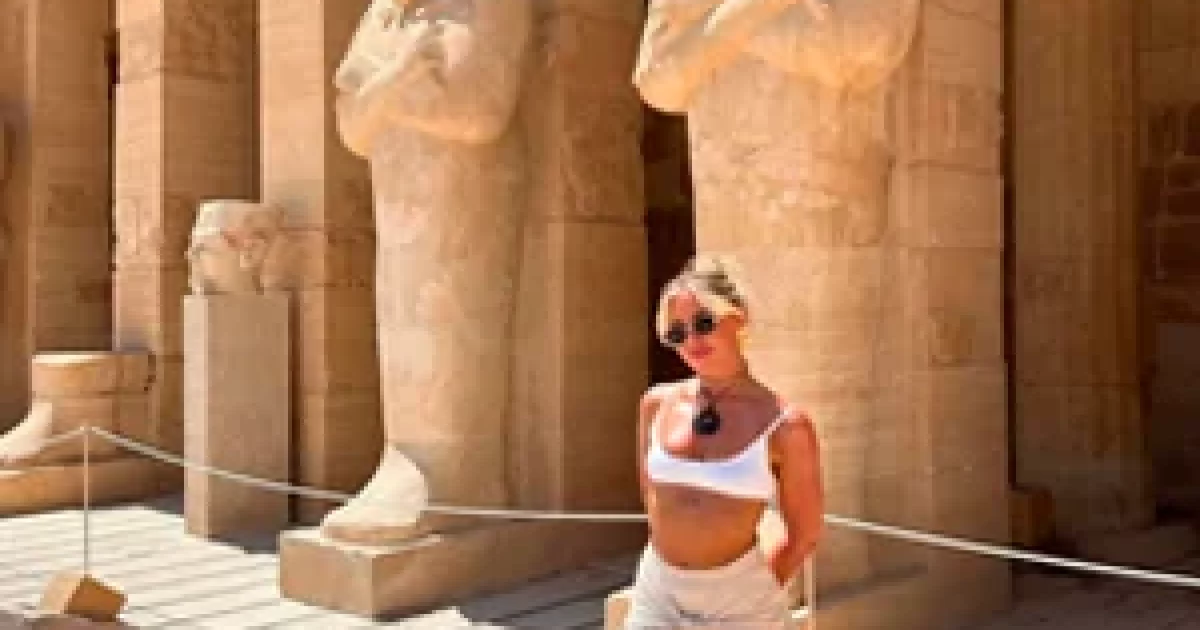
Table of Contents
Introduction: Why Visit Hatshepsut Temple in Luxor?
Among the most awe-inspiring monuments on the west bank of the Nile, the The Temple of Hatshepsut Temple (also known as the Temple of Hatshepsut) stands as a timeless masterpiece of ancient Egyptian architecture. Carved into the cliffs of Deir el-Bahari, this mortuary temple honors Queen Hatshepsut, one of Egypt’s most successful female pharaohs. With its unique terraced design, rich reliefs, and remarkable history, the temple is a highlight of Things to Do in Luxor and an essential stop for anyone exploring the wonders of Things to Do in Egypt.
Whether you’re fascinated by Egyptian history, architecture, or simply want to experience the breathtaking beauty of the site, visiting Hatshepsut Temple promises an unforgettable journey.
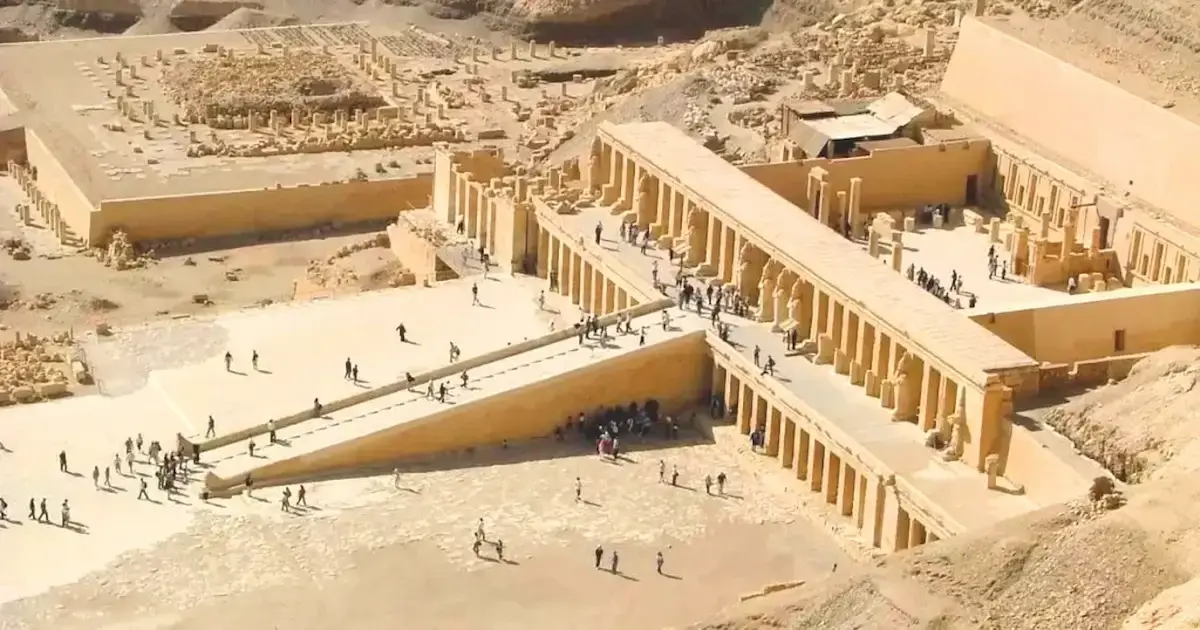
Temple of Hatshepsut – Ancient Mortuary Temple in Luxor
Hatshepsut Temple History – A Legacy of a Powerful Queen
The story of Hatshepsut Temple begins in the 15th century BC, during the reign of Pharaoh Hatshepsut of the 18th Dynasty. As one of only a few women to rule as pharaoh, Hatshepsut established herself as a powerful leader who expanded trade routes and commissioned magnificent building projects across Egypt.
Her mortuary temple was designed to commemorate her reign, honor the god Amun-Ra, and serve as a place for rituals and offerings. Unlike traditional mortuary temples, Hatshepsut’s temple broke conventions with its three grand terraces connected by long ramps, blending harmoniously into the surrounding cliffs.
Inside the temple, visitors can still see vivid reliefs depicting the queen’s divine birth, her expedition to the Land of Punt, and her devotion to Amun-Ra. These inscriptions remain an invaluable record of ancient Egyptian culture and politics.
Hatshepsut Temple Architecture – An Ancient Masterpiece
The temple is renowned for its innovative design created by Senenmut, Hatshepsut’s chief architect. Built directly into the limestone cliffs, the structure features:
Three Terraced Levels – connected by central ramps and colonnades.
Hypostyle Halls and Chapels – dedicated to gods like Hathor, Anubis, and Amun-Ra.
Symmetry and Harmony – a perfect blend of architecture and natural surroundings.
Hatshepsut Temple Inside
When you step inside Hatshepsut Temple, you’ll encounter a series of chapels, sanctuaries, and reliefs that bring the history of this female pharaoh to life. Highlights include:
The Sanctuary of Amun-Ra, the spiritual heart of the temple.
The Chapel of Hathor, with columns adorned with the goddess’s face.
The Punt Expedition Reliefs, showcasing one of Egypt’s earliest documented trading missions.
The sheer scale and detail of the interior decoration make it one of the most impressive temples in Luxor.
Hatshepsut Temple Location and How to Get There
The temple is located at Deir el-Bahari, on the west bank of the Nile near Luxor, opposite the modern city.
Hatshepsut Temple Location: Deir el-Bahari, Luxor, Egypt
How to Reach:
By boat across the Nile, followed by a short drive.
By car or taxi from central Luxor (approx. 20–30 minutes).
Included in many organized Luxor day tours.
Its location against the dramatic limestone cliffs makes it one of the most photogenic landmarks in Egypt.
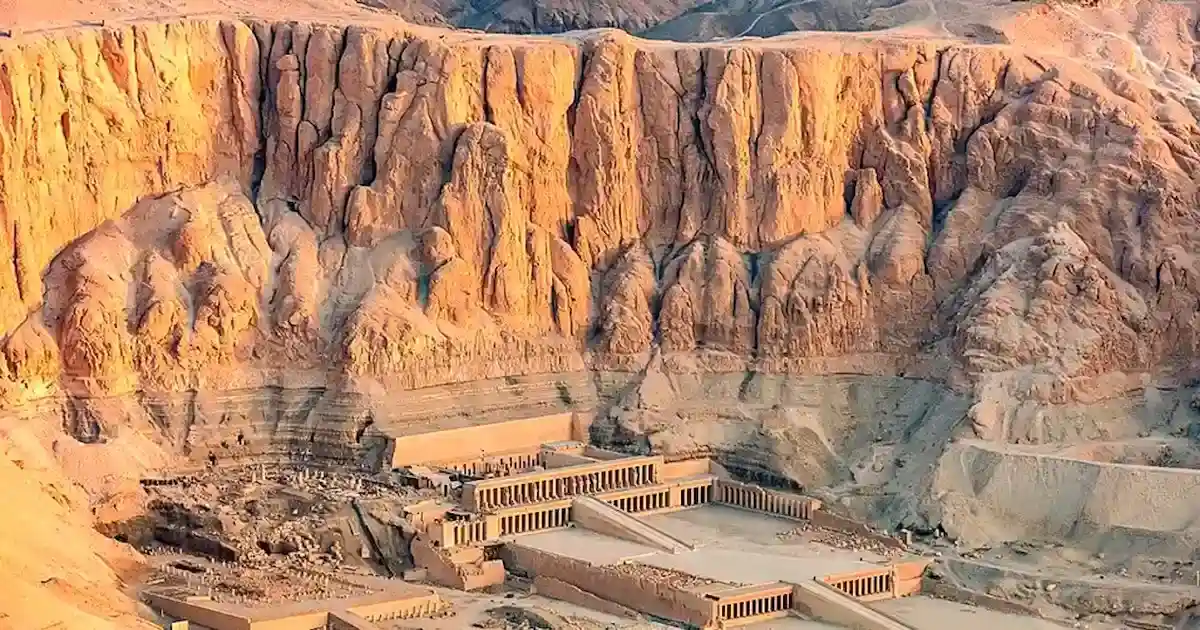
Temple of Hatshepsut – Ancient Mortuary Temple in Luxor
Visitor Information – Opening Hours & Ticket Prices
DetailInformation (2025)Opening Hours6:00 AM – 5:00 PM dailyTicket Price240 EGP (adults), 120 EGP (students with ID)LocationDeir el-Bahari, West Bank, LuxorBest Time to VisitEarly morning or late afternoon for cooler temperaturesAccessibilityRamps and pathways available for visitors
(Reference: Ministry of Tourism & Antiquities, Egypt)
Best Time to Visit Hatshepsut Temple
The ideal time to visit is during the cooler months from October to April, when daytime temperatures are comfortable. For photography, the early morning light creates dramatic shadows on the temple’s terraces, while late afternoon visits capture its golden glow against the cliffs.
Nearby Attractions to Combine with Hatshepsut Temple
Visiting the west bank of Luxor is often done as part of a half-day or full-day trip. Other nearby attractions include:
Valley of the Kings – just a short drive away.
Valley of the Queens – resting place of royal women.
Colossi of Memnon – two massive stone statues.
Ramesseum – mortuary temple of Ramses II.
Many Luxor Day Tours include Temple of Hatshepsut along with these sites, making it easy to maximize your experience.
Travel Tips for Visiting Hatshepsut Temple
Wear comfortable shoes – the temple has ramps and terraces.
Bring sun protection – hats, sunscreen, and water are essential.
Hire a guide – to fully understand the reliefs and historical context.
Visit early – to avoid crowds and midday heat.
Photography – allowed in most areas, but be respectful of restrictions.
.webp)
Temple of Hatshepsut – Ancient Mortuary Temple in Luxor
FAQs about Hatshepsut Temple
Where is Hatshepsut Temple located?
It is located at Deir el-Bahari on Luxor’s west bank, opposite the modern city.
What is inside Hatshepsut Temple?
Inside you’ll find chapels dedicated to Amun-Ra, Hathor, and Anubis, plus reliefs showing Hatshepsut’s divine birth and the Punt expedition.
How much is the entry ticket?
As of 2025, tickets cost 240 EGP for adults and 120 EGP for students with valid ID.
How long do you need to explore the temple?
Most visitors spend 1–2 hours exploring, though guided tours may extend longer.
Is Hatshepsut Temple included in Luxor day tours?
Yes, most organized tours include the Temple of Hatshepsut along with the Valley of the Kings and other west bank sites.
Conclusion
The the Temple of Hatshepsut is not only a masterpiece of ancient Egyptian architecture but also a powerful symbol of one of history’s most remarkable queens. Its unique terraced design, breathtaking location, and rich reliefs make it a must-visit landmark in Luxor.
Whether you’re exploring independently or as part of Luxor day tours, the temple offers a deep dive into ancient history and an unforgettable travel experience. Make sure to include it on your list of Things to Do in Luxor and Things to Do in Egypt for a truly immersive journey.