Gebel el-Silsila
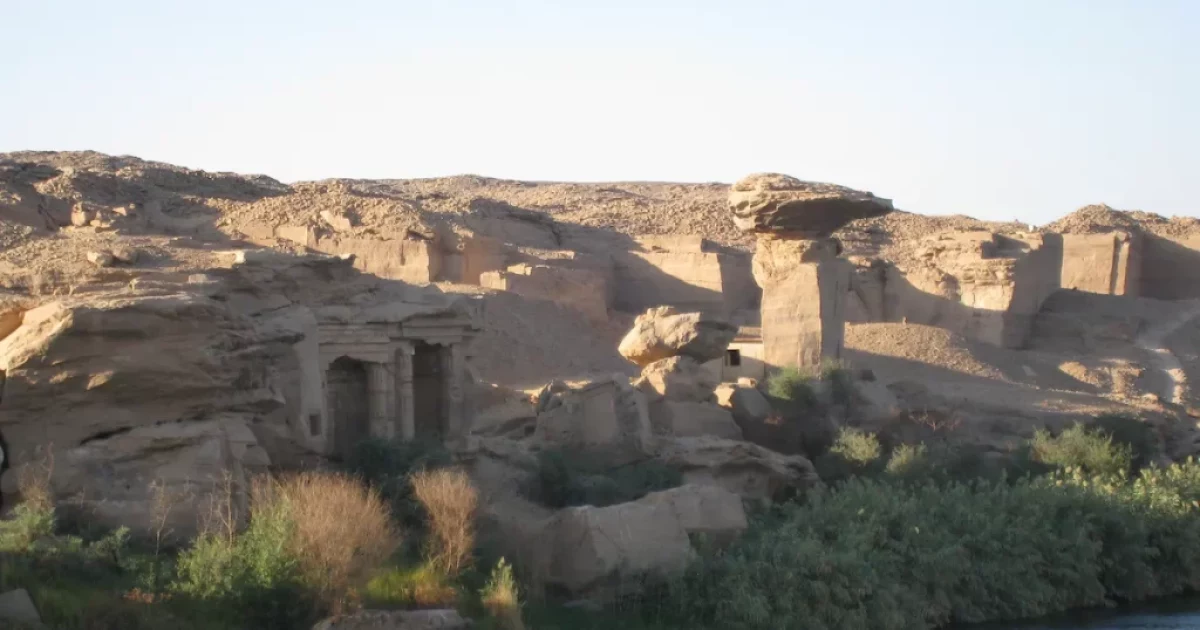
Table of Contents
Gebel el-Silsila – Ancient Quarries & Rock Temples in Aswan
When travelers search for Things to do in Egypt, their minds often jump to the Pyramids, Abu Simbel, or the majestic temples of Luxor. Yet hidden between Kom Ombo and Edfu lies one of the most historically influential places in ancient Egypt — Gebel el-Silsila, the vast sandstone quarry complex that supplied the building blocks of Pharaonic civilization.
Located north of Aswan, Gebel el-Silsila is a mysterious archaeological zone characterized by towering cliffs, ancient inscriptions, rock-cut chapels, ram-headed sphinx remains, and the quarry marks of thousands of workers who carved stones destined for Egypt’s greatest temples.
This long-form guide explores everything you need to know before visiting Gebel el-Silsila: history, activities, highlights, how to get there, timings, tips, and frequently asked questions. It also supports your itinerary planning through contextual links such as Things to do in Egypt, Things to do in Aswan, and Aswan day tours.
Gebel el-Silsila – Overview & Why It Matters
Gebel el-Silsila (Arabic for “Chain of Mountains”) is the largest sandstone quarry complex of the ancient world. For over 1,500 years, from the 18th Dynasty through the Greco-Roman era, this site produced the stone used to build major temples:
Countless pylons, obelisks, shrines, statues, and ceremonial gateways
This makes it not just a quarry site — but an industrial heart of ancient Egypt.
Here, visitors can walk among:
Rock-cut shrines from the reigns of Seti I, Ramesses II, and Horemheb
Hundreds of hieroglyphic inscriptions
Stelae carved directly into the cliff face
Ancient workers’ huts and tool marks
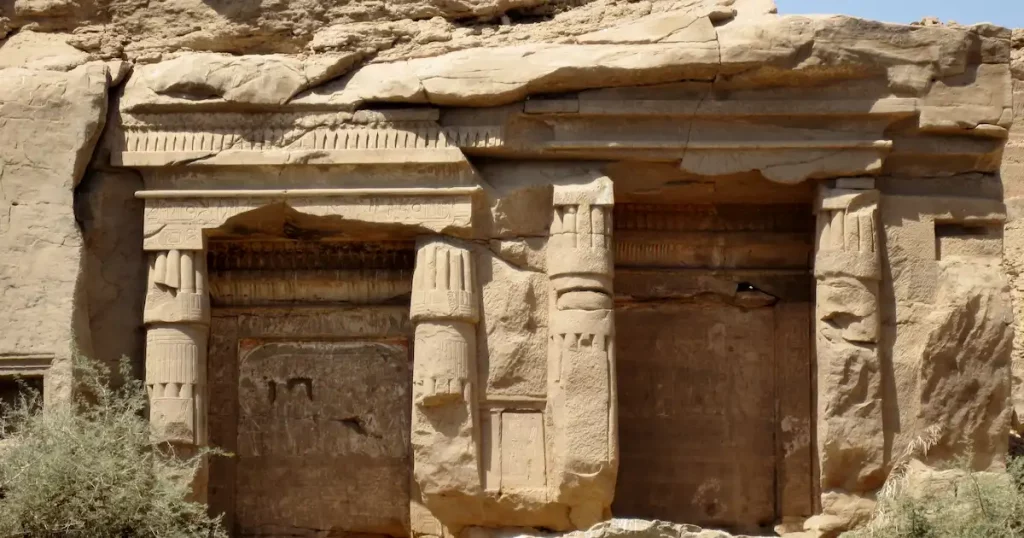
Small temples & chapels such as the Sanctuary of Horemheb
Nile-side quarrying ramps used to float sandstone blocks onto barges
Unlike crowded temples, Gebel el-Silsila still feels untouched and authentic. It delivers what many travelers seek when searching for Things to do in Egypt — a place that blends archaeology, nature, serenity, and mystery.
Gebel el-Silsila – A Deep Dive Into Its History
Birth of an Industrial Powerhouse
By the reign of Thutmose III (18th Dynasty), Gebel el-Silsila had become the primary source of high-quality sandstone. Pharaohs preferred Silsila stone for the construction of temples dedicated to Amun, Horus, and other major gods.
Horemheb’s Rock Temple
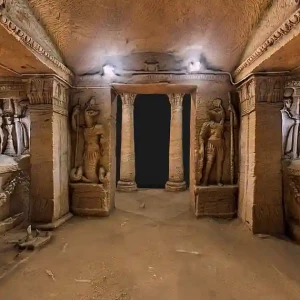
One of the most impressive monuments here is the small rock-cut temple of Horemheb, featuring:
Six pillars
Rock-cut deities
Scenes of offerings
Shrines carved directly into the bedrock
Ramesses II and Seti I Inscriptions
Gebel el-Silsila contains dozens of inscriptions from both pharaohs. Many record the exact dates quarry expeditions took place, providing historians with vital data.
The Nile’s Narrowest Point
The Nile dramatically narrows at this spot, creating a natural choke point that Egyptians considered spiritually and geographically significant. Ancient priests believed the river gained magical strength here before flowing northward.
Gebel el-Silsila in Modern Tourism
Today, travelers visiting Aswan can add Gebel el-Silsila to itineraries that also include:
Kom Ombo Temple
Philae Temple
Elephantine Island
Aswan Nubian Villages
Edfu Temple
Given its peaceful nature and cliff-side trails, it’s also recommended in Things to do in Aswan and Aswan day tours, especially for off-the-beaten-path explorers.
Essential Visitor Information – Gebel el-Silsila
Detail Information Location Between Kom Ombo & Edfu, 65 km north of Aswan Opening Hours 7:00 AM – 5:00 PM (subject to changes; check local updates) Entrance Fee Approx. 100–200 EGP depending on nationality Best Visiting Time Early morning or late afternoon for cooler weather Required Permits Standard ticket; no special permit needed for regular visits Recommended Access By private car, guided tour, or Nile cruise stop Nearest City Aswan Address West Bank, Nile River, Gebel el-Silsila Archaeological Zone External Reference Link Ministry of Tourism & Antiquities: GovMinistry of Antiquities
How to Get to Gebel el-Silsila (Route Guide)
1. From Aswan (Most Common)
1.5 to 2 hours by private car
Often included in Aswan day tours
Nile cruises between Luxor and Aswan frequently stop here
2. From Kom Ombo
Approx. 45 minutes
Ideal if pairing with Kom Ombo Temple visit
3. By Nile Cruise
Many luxury and traditional dahabiya cruises include Gebel el-Silsila as a highlight. Travelers disembark to explore the quarry, rock chapels, and cliff inscriptions.
4. Local Guides
A guide enhances your visit because inscriptions and quarry structures require interpretation to fully appreciate.
A wide panoramic shot of the sandstone cliffs of Gebel el-Silsila overlooking the Nile, showing ancient quarry cuttings.
What to See at Gebel el-Silsila
The West Bank Attractions
1. Sanctuary of Horemheb
A small, atmospheric chapel carved into the cliff wall, featuring well-preserved reliefs of gods and pharaohs.
2. The Rock-Cut Shrines
More than 30 shrines carved by nobles, priests, and high officials:
Panehsy
Khnumhotep
Senwosret
3. Quarry Ramps & Stone Channels
You can walk along ancient ramps where massive sandstone blocks were lowered into the Nile.
4. Petroglyphs & Graffiti
Thousands of ancient drawings depict:
Boats
Animals
Lotus symbols
Work crews
Festivals
5. Nile Panoramic Cliff Views
The vantage points across the Nile are unforgettable, especially at sunset.
The East Bank Attractions
1. Speos of Horemheb
An underground sanctuary carved deep into the rock.
2. Workmen’s Huts and Storage Areas
These small rooms offer clues to the lives of quarry workers.
3. Ram-Headed Sphinx Remains
Several unfinished statues lie scattered across the sand.
Why Gebel el-Silsila is a Must Among “Things to Do in Egypt”
✔ It reveals the unseen “behind-the-scenes” world of temple building
✔ It is quiet, authentic, and not crowded
✔ It offers spectacular nature, archaeology, and landscapes
✔ It allows travelers to explore both banks of the Nile
✔ It fits perfectly into itineraries of Things to do in Egypt, Things to do in Aswan, and Aswan day tours
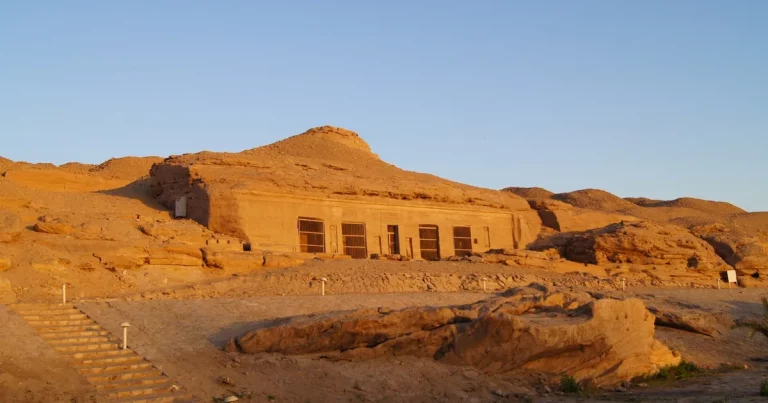
A wide panoramic shot of the sandstone cliffs of Gebel el-Silsila overlooking the Nile, showing ancient quarry cuttings.
Suggested Itinerary for Visiting Gebel el-Silsila
Option 1: Morning Tour (5–6 Hours)
Depart Aswan
Explore West Bank shrines
Walk through quarry channels
Visit Horemheb Sanctuary
Drive or sail back
Option 2: Nile Cruise Visit
Many boats dock at the site mid-morning or afternoon, offering guided exploration followed by lunch on deck with a Nile-side view.
Option 3: Full-Day Tour with Kom Ombo
Visit Kom Ombo Temple
Drive to Gebel el-Silsila
Afternoon cliff-walk
Sunset on the Nile
Travel Tips for Gebel el-Silsila
Wear sturdy shoes — the terrain is rocky
Bring sun protection (hat, sunscreen)
Carry water
Avoid midday heat
Hire a licensed Egyptologist to understand inscriptions
Respect archaeological boundaries
Bring a camera for cliff-top scenic shots

Explore Gebel el-Silsila in Aswan, Egypt’s ancient sandstone quarries and rock temples. A must-see site offering history, scenery, and archaeological wonders.
Frequently Asked Questions (FAQ)
1. Is Gebel el-Silsila worth visiting?
Absolutely. It’s one of Egypt’s most atmospheric archaeological sites and essential for understanding how temples were built.
2. Do I need a guide?
Not mandatory, but highly recommended.
3. How long do I need at the site?
Most visitors spend 2–3 hours.
4. Is it family-friendly?
Yes, but the terrain is uneven, so supervision is necessary.
5. Is it included in Nile cruises?
Many dahabiyas and luxury cruises include Gebel el-Silsila as a highlight.
6. What’s the best time of year?
October–April offers the best weather.
7. Can I combine it with Aswan day tours?
Yes — it’s a popular extension on Aswan day tours, especially those visiting Edfu or Kom Ombo.
Conclusion
Gebel el-Silsila is one of Egypt’s most extraordinary archaeological sites — a place where nature, history, and engineering meet. It played a crucial role in the development of ancient Egyptian architecture, supplying the stone used in some of the most iconic temples ever constructed.