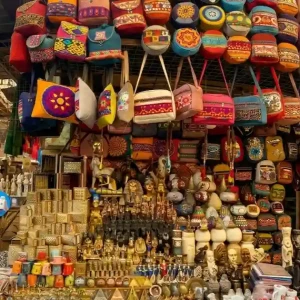
Egyptian Culture Food - Guide Traditional Dishes Explained

The scent hits you before you even see the dish. Warm spices drifting through the air. Fresh bread pulled from an oven. A hint of garlic, cumin, and slow-cooked vegetables blending into something unmistakably Egyptian. This is where Egyptian Culture Food begins—not on a plate, but in the senses.
Whether you’re walking through a bustling Cairo street or sitting in a refined Nile-side restaurant, Egyptian Culture Food tells a story. It’s a story of history, resilience, and hospitality. One that stretches back thousands of years yet feels deeply alive today.
In this guide, you’ll explore the heart of Egyptian Culture Food—from iconic dishes to hidden culinary traditions, from street food to luxury dining. You’ll discover what makes Egyptian cuisine unique, what to order, and how to experience it like someone who truly understands the culture. If you’re planning a journey, curated experiences like Egypt Day Tours often include unforgettable culinary stops that bring these flavors to life.
TABLE OF CONTENTS
What Defines Egyptian Culture Food?
A Blend of History and Flavor
Why Egyptian Cuisine Feels So Unique
A Journey Through Egyptian Traditional Food
Staple Ingredients in Egyptian Kitchens
Cooking Techniques Passed Through Generations
Must-Try Egyptian Dishes
Koshari and Everyday Comfort
Molokhia, Fattah, and Ful Medames
Egyptian Street Food Experience
What to Eat on the Streets of Cairo
Sweet Treats and Egyptian Street Desserts
Food of Ancient Egypt vs Modern Cuisine
What Ancient Egyptians Ate
How Traditions Evolved Over Time
Dining Culture and Etiquette in Egypt
How Egyptians Share Meals
Dining Like a Local
Where to Experience Egyptian Food
Best Cities for Food Lovers
Luxury Culinary Experiences
FAQ
Conclusion
What Defines Egyptian Culture Food?
A Blend of History and Flavor
Egyptian cuisine isn’t built on trends. It’s built on continuity. Recipes have been passed down for generations, often unchanged, preserving flavors that date back to ancient times.
At its core, egyptian food is simple but deeply satisfying. Lentils, rice, beans, vegetables, and bread form the foundation. Meat appears, but often sparingly, used more for flavor than as the centerpiece.
This simplicity is what gives Egyptian dishes their authenticity. Nothing feels overcomplicated. Every ingredient has a purpose.
Why Egyptian Cuisine Feels So Unique
There’s a comforting honesty to egyptian typical food. It doesn’t try to impress—it simply delivers.
Spices are used with restraint. You won’t find overwhelming heat or heavy sauces. Instead, flavors build slowly. Garlic, coriander, cumin, and lemon create layers that feel balanced rather than bold.
Meals are also deeply social. Food in Egypt is rarely eaten alone. It’s shared, passed around, discussed. It becomes an experience, not just nourishment.
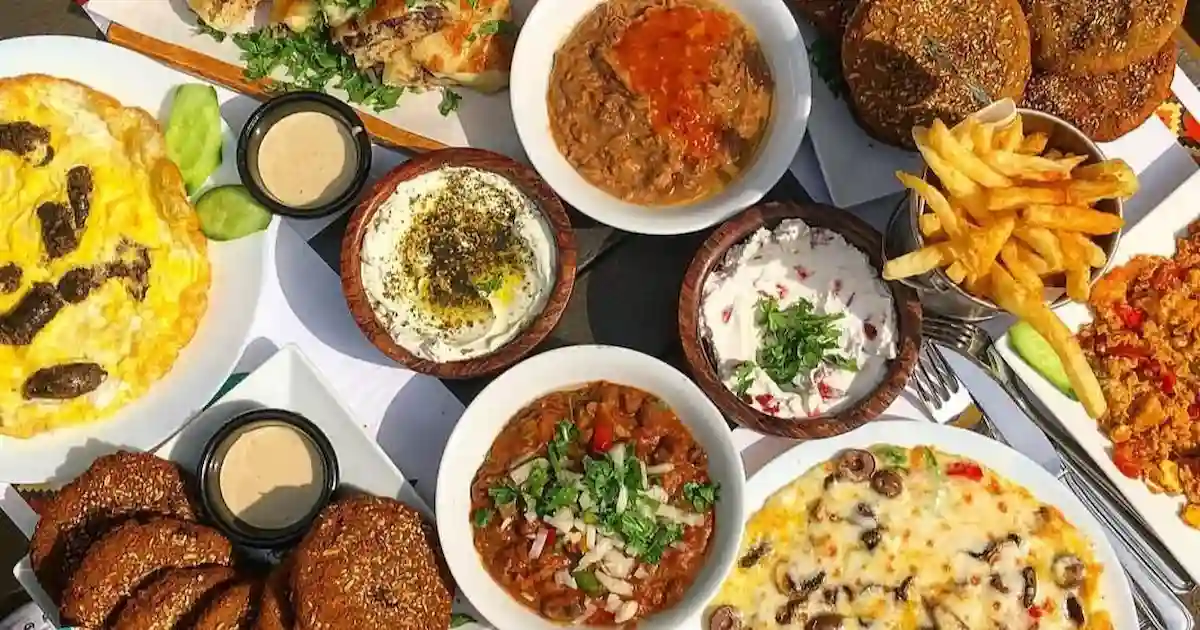
A Journey Through Egyptian Traditional Food
Staple Ingredients in Egyptian Kitchens
Walk into any Egyptian kitchen and you’ll notice the same essentials appearing again and again:
Lentils
Chickpeas
Rice
Fresh vegetables
Flatbread (baladi bread)
These ingredients define common egyptian meals. They’re affordable, versatile, and incredibly nourishing.
Olive oil is used, but not excessively. Butter and ghee appear in richer dishes. Herbs are fresh. Flavors are grounded.
Cooking Techniques Passed Through Generations
What makes egyptian traditional food special isn’t just what’s cooked—it’s how.
Slow cooking is key. Many dishes simmer for hours, allowing flavors to deepen naturally. Stews, soups, and layered dishes dominate the cuisine.
There’s also an intuitive approach to cooking. Recipes aren’t always written. They’re remembered. Adjusted. Perfected over time.
This is food that evolves quietly, shaped by families rather than chefs.
Must-Try Egyptian Dishes
Koshari and Everyday Comfort
If there’s one dish that defines food from egypt, it’s koshari.
A mix of rice, lentils, pasta, chickpeas, and crispy onions topped with tomato sauce—it sounds unusual. But it works. Beautifully.
Koshari is filling, affordable, and deeply satisfying. It’s the ultimate comfort food.
Molokhia, Fattah, and Ful Medames
Beyond koshari, several dishes form the backbone of egyptian dishes:
Molokhia: A green soup made from jute leaves, often served with rice and chicken or rabbit
Fattah: A celebratory dish layered with rice, bread, and meat, topped with garlic vinegar sauce
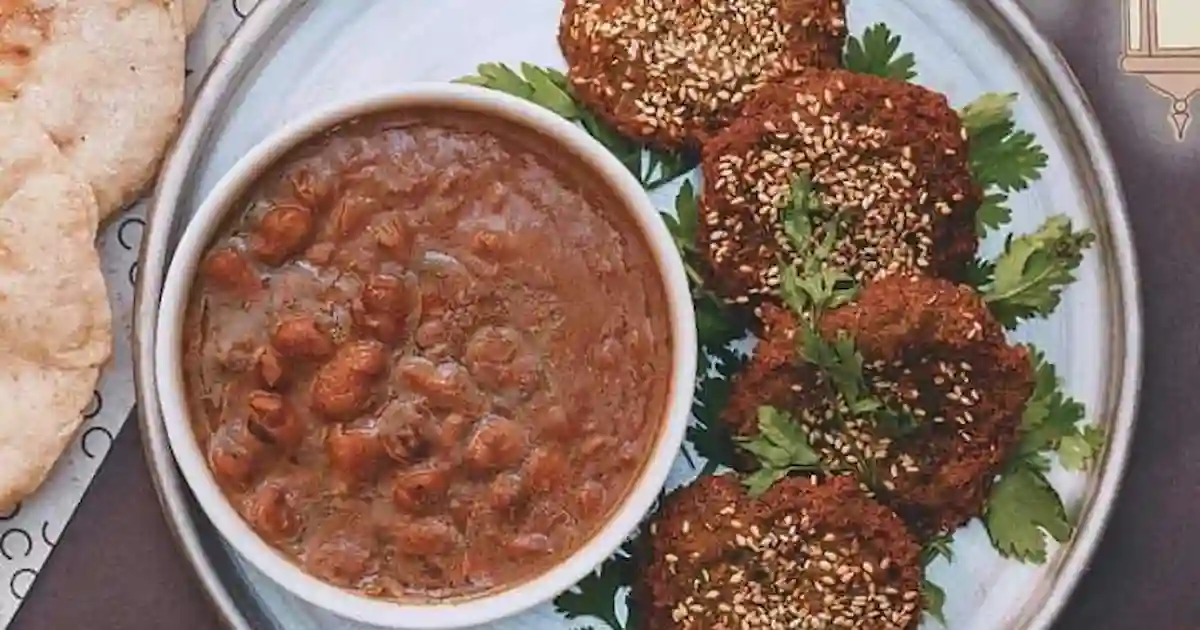
Ful Medames: Slow-cooked fava beans, typically eaten for breakfast
Each dish tells a different story. Together, they paint a complete picture of Egyptian cuisine.
Egyptian Street Food Experience
What to Eat on the Streets of Cairo
Street food is where egyptian street food truly shines.
Walk through Cairo, and you’ll find vendors serving fresh falafel, shawarma, and grilled meats. Everything is fast, flavorful, and surprisingly fresh.
Falafel in Egypt is made from fava beans rather than chickpeas, giving it a unique texture and taste.
Sweet Treats and Egyptian Street Desserts
Don’t skip dessert.
Egyptian street dessert options include:
Basbousa (semolina cake soaked in syrup)
Kunafa (shredded pastry with cream or nuts)
Rice pudding infused with cinnamon
These sweets are rich, indulgent, and deeply tied to celebration.
Food of Ancient Egypt vs Modern Cuisine
What Ancient Egyptians Ate
The food of ancient egypt was surprisingly similar to what’s eaten today.
Bread and beer were staples. Lentils, onions, and garlic were widely consumed. Fish from the Nile played an important role.
Meat was reserved for special occasions, much like today.
For deeper historical context, resources like Wikipedia provide detailed insights into ancient Egyptian diets.
How Traditions Evolved Over Time
While modern influences have introduced new ingredients, the foundation remains intact.
This continuity is rare. It’s what makes egypt country food so fascinating. You’re not just eating a meal—you’re tasting history.
Dining Culture and Etiquette in Egypt
How Egyptians Share Meals
Meals are communal. Plates are placed in the center. Everyone shares.
Bread becomes your utensil. Conversations flow naturally. Meals stretch longer than expected.
This is where food in egyptian culture becomes more than sustenance—it becomes connection.
Dining Like a Local
If you want to experience Egyptian food authentically:
Eat slowly
Share generously
Accept hospitality—it’s part of the culture
Locals take pride in feeding guests. It’s not just kindness—it’s tradition.
Where to Experience Egyptian Food
Best Cities for Food Lovers
Cairo is the obvious starting point. It offers everything—from street food to fine dining.
Explore curated guides like Things to do in Cairo to discover neighborhoods known for their culinary scenes.
Aswan and Luxor offer more regional flavors, often influenced by Nubian traditions.
Luxury Culinary Experiences
For luxury travelers, Egyptian cuisine can be elevated without losing authenticity.
Think private dining overlooking the Nile. Chef-led experiences. Personalized tasting menus.
These moments transform egyptian foods into something unforgettable.
Egyptian Culture Food - FAQ
What is the most popular Egyptian dish?
Koshari is widely considered Egypt’s national dish, combining rice, lentils, pasta, and sauce into a hearty meal.
Is Egyptian food spicy?
Not typically. It’s flavorful but balanced, relying more on herbs and aromatics than heat.
What should I try first in Egypt?
Start with koshari, falafel, and ful medames. These represent the core of Egyptian cuisine.
Where can I find authentic Egyptian food?
Local restaurants and street vendors offer the most authentic experiences. Explore Things to do in Cairo for recommendations.
Can I experience Egyptian food on tours?
Yes, many Egypt Day Tours include food experiences as part of cultural immersion.
Conclusion
Egyptian cuisine is more than a collection of dishes—it’s a living expression of history, culture, and hospitality.
From humble street food to refined dining, every meal carries meaning. Every flavor tells a story.
If you’re ready to explore beyond the surface, let Egyptian Culture Food guide your journey—and consider enriching it with curated experiences like Egypt Day Tours that bring these flavors to life in unforgettable ways.