Aswan High Dam: The Great Symbol of Modern Egypt
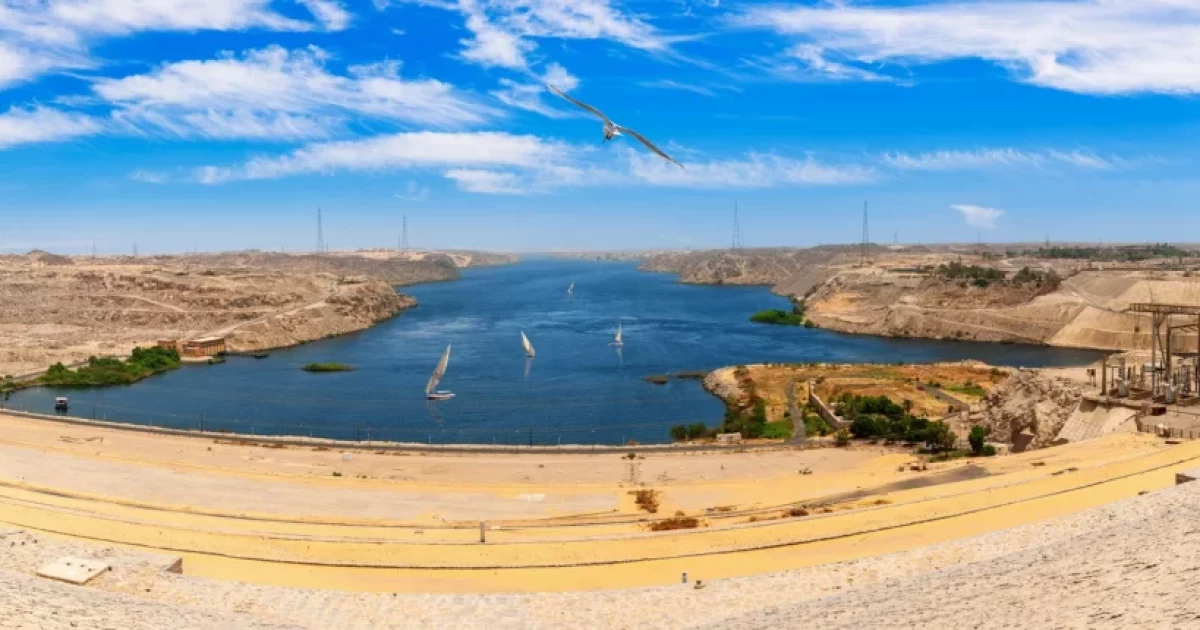
Table of Contents
The Aswan High Dam is one of Egypt’s most impressive modern achievements — a monumental structure that transformed the country’s economy and reshaped the Nile River’s flow. For travelers exploring Things to Do in Egypt or Things to Do in Aswan, this colossal dam is more than just concrete and engineering — it represents human ingenuity and national pride.
Located just south of Aswan city, this dam is a highlight of most Aswan day tours, and a fascinating stop on Nile River Cruises, especially those traveling between Luxor and Aswan.
History and Significance of the Aswan High Dam
The Vision Behind the Dam
Before the dam was built, Egypt’s annual Nile floods were unpredictable — sometimes too little water led to drought, other times too much caused devastating floods. The idea to control the Nile’s flow had been discussed for decades.
In the 1950s, Egyptian President Gamal Abdel Nasser launched an ambitious national project: to construct a dam large enough to control flooding, store water for irrigation, and generate electricity to power Egypt’s growing industries.
Construction and Collaboration
Construction Period: 1960–1970
Height: 111 meters (364 feet)
Length: 3,830 meters (12,562 feet)
Width (base): 980 meters (3,215 feet)
Reservoir: Creates Lake Nasser, one of the world’s largest artificial lakes (about 500 km long).
Funding & Partnership: Supported by the Soviet Union, using advanced machinery and engineering expertise.
When it was completed in 1970, the Aswan High Dam became a symbol of Egypt’s independence, modernization, and progress — often called “the Pyramid of the Modern Age.”
The Impact of the Aswan High Dam
The dam changed Egypt forever — both positively and negatively.
Positive Impacts
Flood Control: The dam protects Egypt from destructive floods and droughts by regulating the Nile’s annual flow.
Electricity Generation: Produces over 2,100 megawatts, supplying power to most Egyptian cities.
Agricultural Growth: Enables year-round irrigation, improving crop yields.
Economic Development: Boosted industry, water management, and rural livelihoods.
Creation of Lake Nasser: One of the largest man-made lakes, a new ecosystem for fishing and tourism.
Challenges and Environmental Concerns
Loss of Fertile Silt: The annual flood silt no longer reaches farms naturally, leading to dependence on chemical fertilizers.
Archaeological Relocation: Many temples, including Abu Simbel, were relocated to prevent flooding.
Environmental Shifts: Ecosystem changes affected fish populations and soil chemistry downstream.
Despite these issues, the Aswan High Dam remains a powerful emblem of national achievement and modernization.
Quick Visitor Guide
ItemDetailsLocationAbout 13 km south of Aswan city centerOpening HoursDaily: 7:00 AM – 5:00 PMEntry Fees (Foreigners)EGP 100 per personEntry Fees (Egyptians)EGP 20Best Time to VisitMorning (before 10 AM) or late afternoon for cooler weatherHow to Get ThereTaxi or guided Aswan Day Tour from your hotel or cruise shipDuration of VisitAround 30–60 minutesOfficial Referenceegymonuments.gov.eg (official Egyptian monuments site)
What to Expect When Visiting the Aswan High Dam
The Panorama Point
The dam has a wide observation point where you can enjoy a breathtaking view of Lake Nasser on one side and the Nile River on the other. This is the most popular photo spot, offering an incredible perspective on how massive the project truly is.
The Friendship Monument
At the northern end of the dam stands the Arab-Soviet Friendship Monument, built to commemorate the collaboration between Egypt and the Soviet Union. The structure’s lotus-shaped design symbolizes rebirth and strength.
Power Plant and Infrastructure
While visitors can’t enter the actual hydroelectric plant, guided tours often include explanations of how the turbines work and the scale of power production — enough to light up most of southern Egypt.
The Lake Nasser Viewpoint
Lake Nasser is enormous, stretching deep into southern Egypt and northern Sudan. On clear days, you can see the shimmering water extend toward the horizon. Many Nile Cruises that continue to Abu Simbel originate from here.
How to Get to the Aswan High Dam
The dam is about 20 minutes from downtown Aswan.
By Taxi: The most straightforward way — your hotel can arrange one easily.
By Private Tour: Most Aswan day tours include the High Dam, the Unfinished Obelisk, and Philae Temple.
By Cruise: Travelers on Aswan Nile Cruises or Luxor Nile Cruises often stop here as part of the journey.
By Local Transport: Less common but possible with local microbuses heading toward the dam road.
For those on Nile River Cruises, the dam marks an important point where the modern river meets Egypt’s ancient legacy.
The Engineering Behind the Aswan High Dam
The dam uses a rock-fill structure with a clay core. It was built using 43 million cubic meters of materials — nearly eight times the volume of the Great Pyramid of Giza!
The design allows controlled release of water through sluices and spillways, maintaining the Nile’s flow and ensuring stability in water levels for agriculture downstream.
The power station, located near the western bank, houses 12 turbines generating hydropower for the national grid.
Cultural and Historical Context
The Aswan High Dam was not just a construction project — it was a political and social turning point. Nasser envisioned it as the foundation of Egypt’s economic independence and as proof that Egyptians could control the lifeblood of their civilization: the Nile.
The project’s success also led to the relocation of Abu Simbel Temples, a massive UNESCO-led operation that saved Egypt’s most iconic monuments from submersion — another testament to the dam’s historic importance.
Best Time to Visit the Aswan High Dam
The best months to visit Aswan and the dam are October through April, when temperatures are mild.
Morning visits (before 10 AM) are most comfortable, as afternoon sun in Aswan can be intense, especially between May and September.
Many travelers combine their visit with Philae Temple and the Unfinished Obelisk, forming a classic Aswan half-day itinerary.
Nearby Attractions to Combine With
If you’re exploring Things to Do in Aswan, here’s what you can easily combine with the Aswan High Dam:
Philae Temple – dedicated to Isis, reached by boat.
Unfinished Obelisk – a massive obelisk still embedded in bedrock.
Nubian Museum – showcasing Nubian culture and artifacts.
Elephantine Island – scenic island with archaeological remains and Nubian villages.
Aswan Botanical Garden – lush gardens on Kitchener’s Island.
Abu Simbel Temples – about 3 hours south, often visited by flight or Lake Nasser cruise.
These make the Aswan High Dam part of a well-rounded day or multi-day trip exploring southern Egypt.
Connection with Nile River Cruises
Almost every Nile River Cruise or Aswan Nile Cruise itinerary includes the Aswan High Dam as a featured stop.
For example:
Luxor to Aswan Nile Cruises often conclude their journey here.
Aswan to Abu Simbel cruises on Lake Nasser start near the dam.
Many guides explain the dam’s importance in regulating the Nile waters — the very river you’re sailing on.
This link between the dam and the cruises makes it a central experience in Things to Do in Egypt related to the Nile.
Insider Tips for Visitors
Bring sunglasses — sunlight reflects strongly off the water.
Don’t expect souvenir shops on-site; buy items back in Aswan city.
Photography is allowed at the viewpoint, but drones are restricted.
Consider hiring a local Egyptologist guide to understand the engineering and political story behind the dam.
Combine it with Philae Temple in one morning tour for the best value.
Sustainability and Modern Role
Today, the Aswan High Dam remains crucial for Egypt’s energy and agriculture, though debates continue about balancing ecological impact with development.
The dam’s controlled water management allows Egypt to grow crops all year round and provides steady electricity for millions of people.
It stands as both a tourist landmark and a living infrastructure project — symbolizing Egypt’s modern evolution.