A Deep Guide to Nabq Protected Area
What Is the Nabq Protected Area and Why It Matters
Location & Size
Nabq Protected Area (also called Nabq Managed Resource Protected Area) is located roughly 35 km north of Sharm El Sheikh, in South Sinai, along the Gulf of Aqaba. (SIS)
Covering about 600 km², it is one of the largest coastal protected areas in the region. (
Date of Establishment & Management
Established in 1992 by a Prime Ministerial Decree. (World Bank)
Managed by the Egyptian Environmental Affairs Agency (EEAA), under the Nature Conservation Sector.
Its IUCN category is VI (Managed Resource Protected Area): conservation combined with sustainable use
Ecological Importance
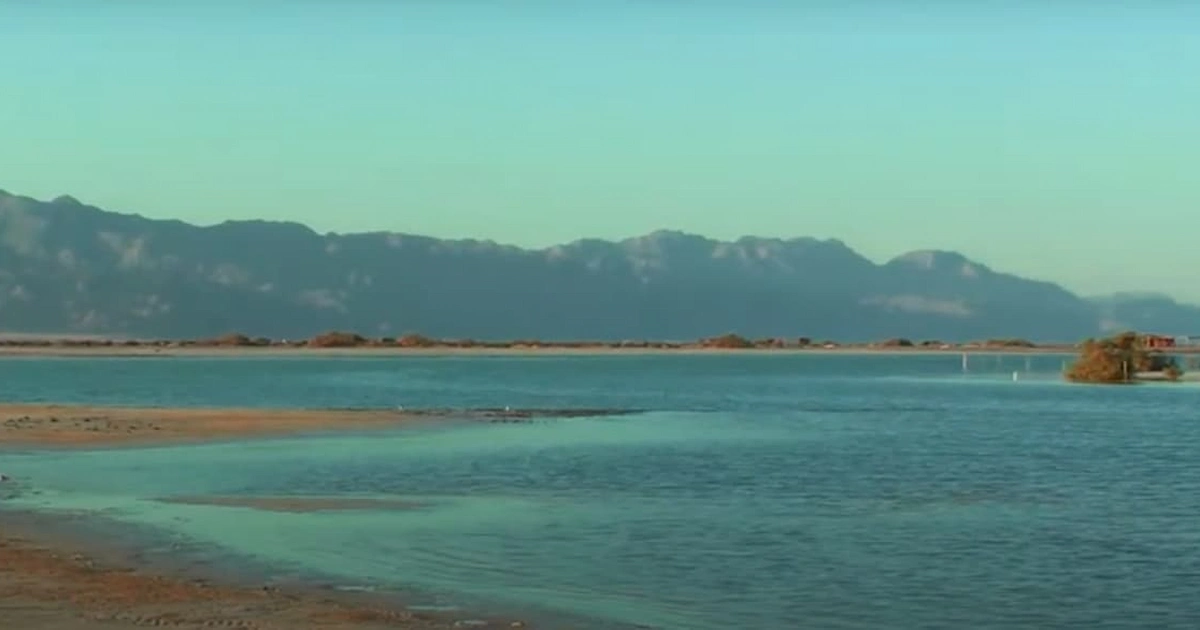
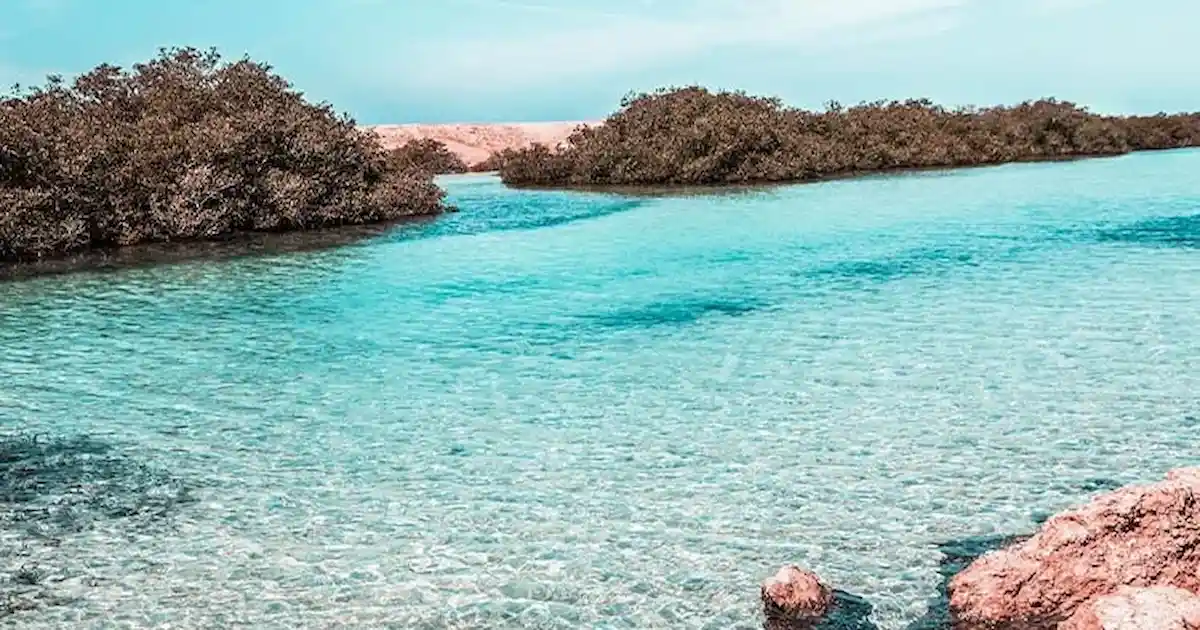
Mangroves: Nabq hosts the northernmost significant Avicennia marina mangrove stand along the Red Sea coast.
Coral Reefs: Rich coral reefs and seagrass beds.
Desert & Mountain Ecosystems: Wadis, dunes, and mountains, including Wadi Kid.
Biodiversity: Approximately 134 plant species, including some endemic species.
Wildlife: Dorcas gazelles, Nubian ibex, hyrax, migratory and resident birds (e.g., osprey, heron, spoonbill).
Marine Life: Sea turtles, invertebrates, fish species, and more.
Bedouin Culture: Indigenous Bedouin (e.g., Tarabin and Mazayna tribes) live in and help manage the area.
Conservation Role
Nabq is not just tourist-oriented — it's a protected ecosystem where nature conservation, community development, and sustainable tourism coexist.
Key Activities & Things to Do in Nabq Protected Area
1. Snorkeling & Diving
The marine section of the Nabq Protected Area is ideal for snorkeling and diving: vibrant coral reefs, calm shallow waters, and seagrass meadows make it a spectacular spot.
Some zones are regulated: according to studies, there are strict natural zones, no-take zones, and recreational zones.
2. Mangrove Exploration
One of the most distinctive experiences in Nabq is exploring its mangrove forests. The winding root systems of Avicennia marina create sheltered channels that you can kayak or paddle through.
These mangroves are ecologically critical — they act as nurseries for young fish and invertebrates, and provide nesting sites for shorebirds.
3. Bird Watching & Wildlife Safari
For birdwatchers, Nabq Protected Area is a hotspot. Herons, osprey, spoonbills and other migratory and resident birds are found here.
On land, you may spot gazelles, Nubian ibex, hyrax, and other desert species.
Evening safari trips are popular: watching wildlife at sunset in the desert dunes is a magical experience.
4. Desert Hiking & Wadi Exploration
Hiking through the wadis (dry valleys), such as Wadi Kid, gives visitors a chance to explore desert landscapes, mountain terraces, and hidden oases. (World Bank)
These hikes can also incorporate traditional knowledge from Bedouin guides, making the experience richer.
5. Camping & Stargazing
Nabq offers low-impact, back-to-nature camping opportunities.
At night, the remote location provides excellent conditions for stargazing — the desert sky is clear and undisturbed.
6. Cultural Encounters with Bedouins
Visiting Nabq allows insight into Bedouin culture: local families may host you, share traditional tea, or guide you through their lands.
You can also buy handmade crafts (embroidery, beadwork) directly from Bedouin women, supporting the local community. (UNDP)
7. Photography & Nature Study
For nature photographers, Nabq is a dream: diverse ecosystems, wildlife, and dramatic landscapes.
Additionally, the protected area serves as a living “open lab” for ecology, botany, and environmental studies.
Practical Information for Visiting Nabq Protected Area
Here is a helpful table with key practical details:
Detail Information Location / Address 35 km north of Sharm El Sheikh, South Sinai, Egypt. Typical Visit Duration Half-day (3–4 hours) to full-day; can include camping overnight. Entrance Fee According to EEAA: 5 USD per foreign visitor per day; local rates differ. Opening / Visiting Hours From sunrise to sunset (daily). Main Activities Snorkeling, kayaking, birdwatching, desert hiking, stargazing, cultural tours. Regulations No off-track driving, no fishing/spear fishing, no collection of natural materials, no littering. Best Time to Visit Autumn to spring (October–April) for milder temperatures and swimming comfort. Recommended Gear Water shoes, sun protection, binoculars, camera, water, hiking sandals. Local Guides / Services Bedouin guides available for eco-tours, camping, interpretive visits.
How Nabq Protected Area Connects to Your Egypt Itinerary
Integration with Things to do in Egypt
As part of your overarching Things to do in Egypt, Nabq Protected Area presents a natural, eco-tourism-oriented contrast to Egypt’s ancient monuments. It highlights the country’s biological richness and offers a “green escape” from urban and historical sightseeing.
Link with Things to do in Sharm El Sheikh
On your Sharm El Sheikh planning page, you should feature Nabq as a top nature destination:
A day trip from Sharm
Kayaking or Snorkelling in the mangroves
Safari / bird-watching tour
Tie into Sharm El Sheikh Day Tours
Many tour operators offer Sharm El Sheikh day tours that include a visit to Nabq: ecological safaris, mangrove kayaking, Bedouin village visits, and overnight camping. These are ideal for travelers seeking more than beach relaxation and diving.
Tips & Best Practices for Visiting Nabq Protected Area
Go with a Local Guide
Hiring a local Bedouin or nature guide enhances the experience: they know the best spots for mangrove trails, wildlife, and hiking.
Respect the Ecosystem
Follow the park’s rules: do not remove coral, plants, or animals.
Avoid disturbing mangrove roots and wildlife.
Travel Light
Bring only what you need, especially on day tours. For camping, pack minimal gear and take out all your trash.
Time Your Visit
Morning or late afternoon are ideal — wildlife is more active, temperatures are lower, and lighting is better for photography.
Swim Safely
Use safe snorkeling spots and respect no-take zones if they are designated.
Stay Hydrated
Bring plenty of water, especially for desert walks or hikes.
Support the Local Community
Buy crafts, use Bedouin-guided tours, and stay in their camps if possible — this helps support sustainable tourism.
Use Sustainable Transport
Choose eco-friendly tours rather than large, disruptive 4x4 trips.
Frequently Asked Questions (FAQ) About Nabq Protected Area
Q1: Is the Nabq Protected Area safe to visit?
Yes, it’s generally safe. However, you should use a guided tour for remote or marine areas to ensure safety and respect for the protected environment.
Q2: Do I need a permit to enter Nabq Protected Area?
You don’t usually need a special permit beyond the entrance fee, but if you're camping or going deep into restricted zones, your guide or tour operator will handle logistics.
Q3: Can I snorkel everywhere in Nabq?
No — there are zones with different protection levels (strict natural zones, no-take zones, multiple-use zones). Always check with your guide or operator.
Q4: What wildlife can I realistically see?
You may spot dorcas gazelles, Nubian ibex, hyrax, migratory birds, and possibly marine turtles if snorkeling.
Q5: Is camping allowed in Nabq?
Yes, but only in designated camping areas. Permits may be required.
Q6: Are there Bedouin villages inside the reserve?
Yes — local Bedouin communities such as the Tarabin live within Nabq and they often participate in eco-tourism.
Q7: Can I do a day trip from Sharm El Sheikh?
Definitely. Many Sharm El Sheikh day tours include Nabq Protected Area as a nature excursion with hiking, kayaking, or wildlife watching.
Q8: What is the best time of year to visit Nabq?
The shoulder seasons (October–April) are ideal. Summers are very hot, and some water activities may be less comfortable.
Q9: Are there environmental rules I should follow?
Yes — the EEAA enforces rules: no off-track driving, no littering, no collecting natural materials, no fishing or spearfishing.
Why Nabq Protected Area Is a Highlight of Things to Do in Egypt
Ecological Diversity: Nabq is a rare place where mangroves, coral reefs, desert, and mountains converge.
Sustainable Tourism: It exemplifies how conservation and tourism can work together — supporting both nature and local Bedouin communities.
Adventure & Relaxation: Whether you want to paddle through mangroves, hike across dunes, or spot desert wildlife, Nabq offers a balanced mix.
Cultural Connection: Interacting with Bedouin tribes enriches your travel with genuine heritage and tradition.
Off-the-Beaten-Path: Many visitors to Egypt focus on monuments. Nabq gives you a very different — and deeply natural — experience.
Conclusion
If you're planning Things to do in Egypt beyond the typical tourist trails, Nabq Protected Area should be high on your list. This vast reserve north of Sharm El Sheikh is a sanctuary of biodiversity and natural beauty, offering experiences that range from mangrove kayaking and birdwatching to desert hiking and Bedouin encounters.
By weaving Nabq into your Things to do in Sharm El Sheikh plans or booking a Sharm El Sheikh day tour that includes the reserve, you’ll get a richer, more sustainable, and deeply memorable travel experience.